|
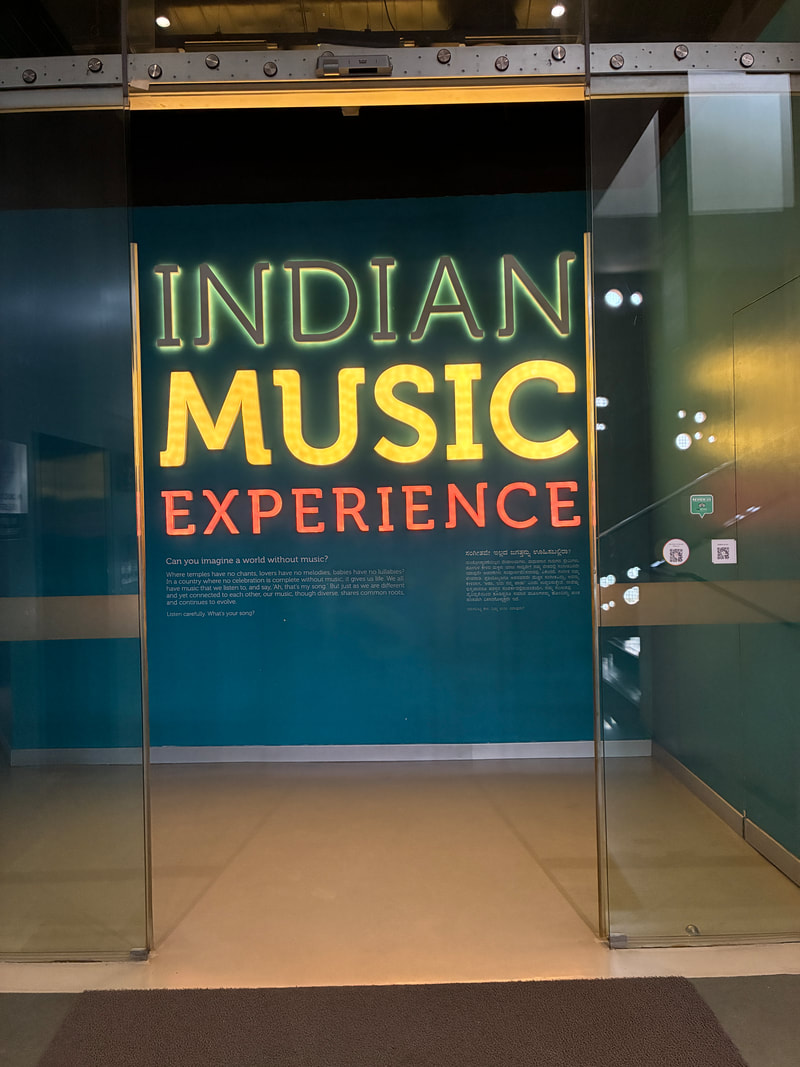
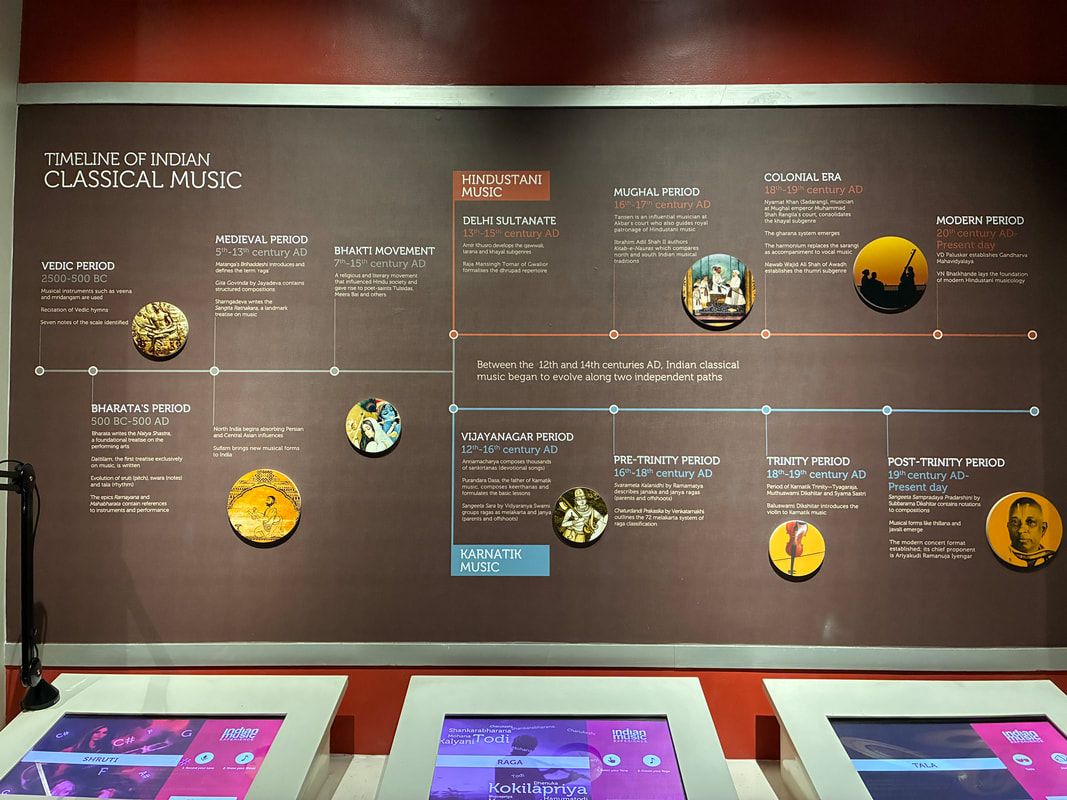
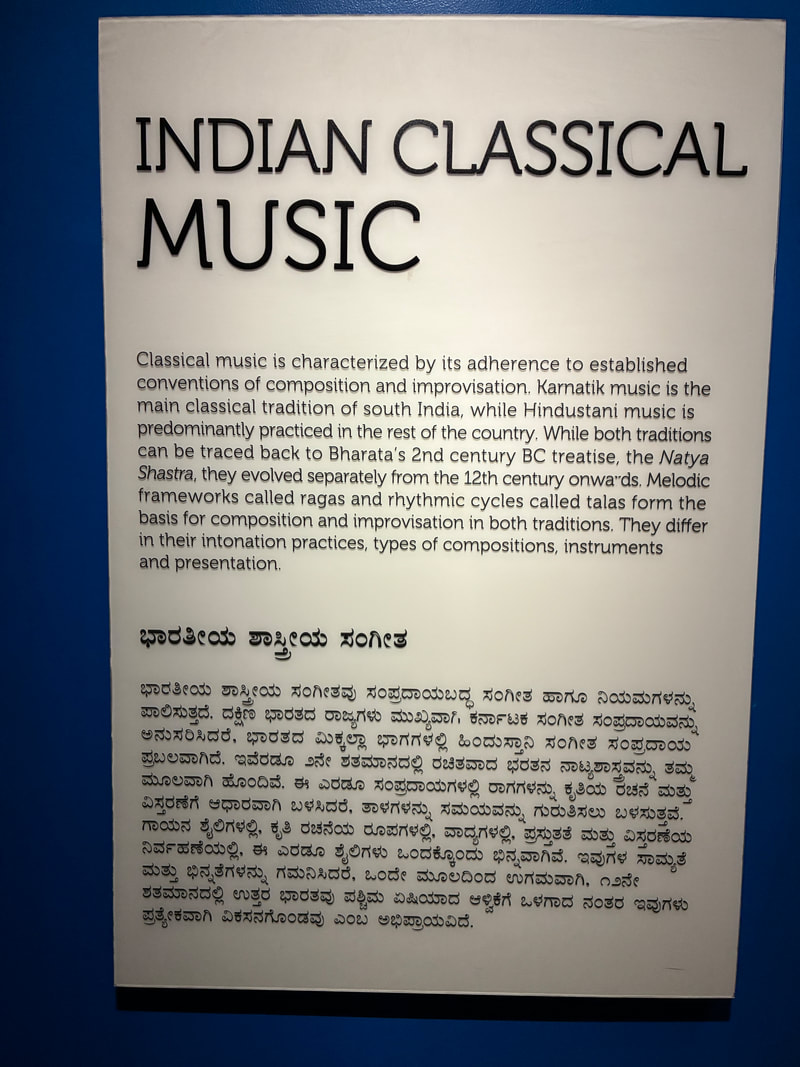
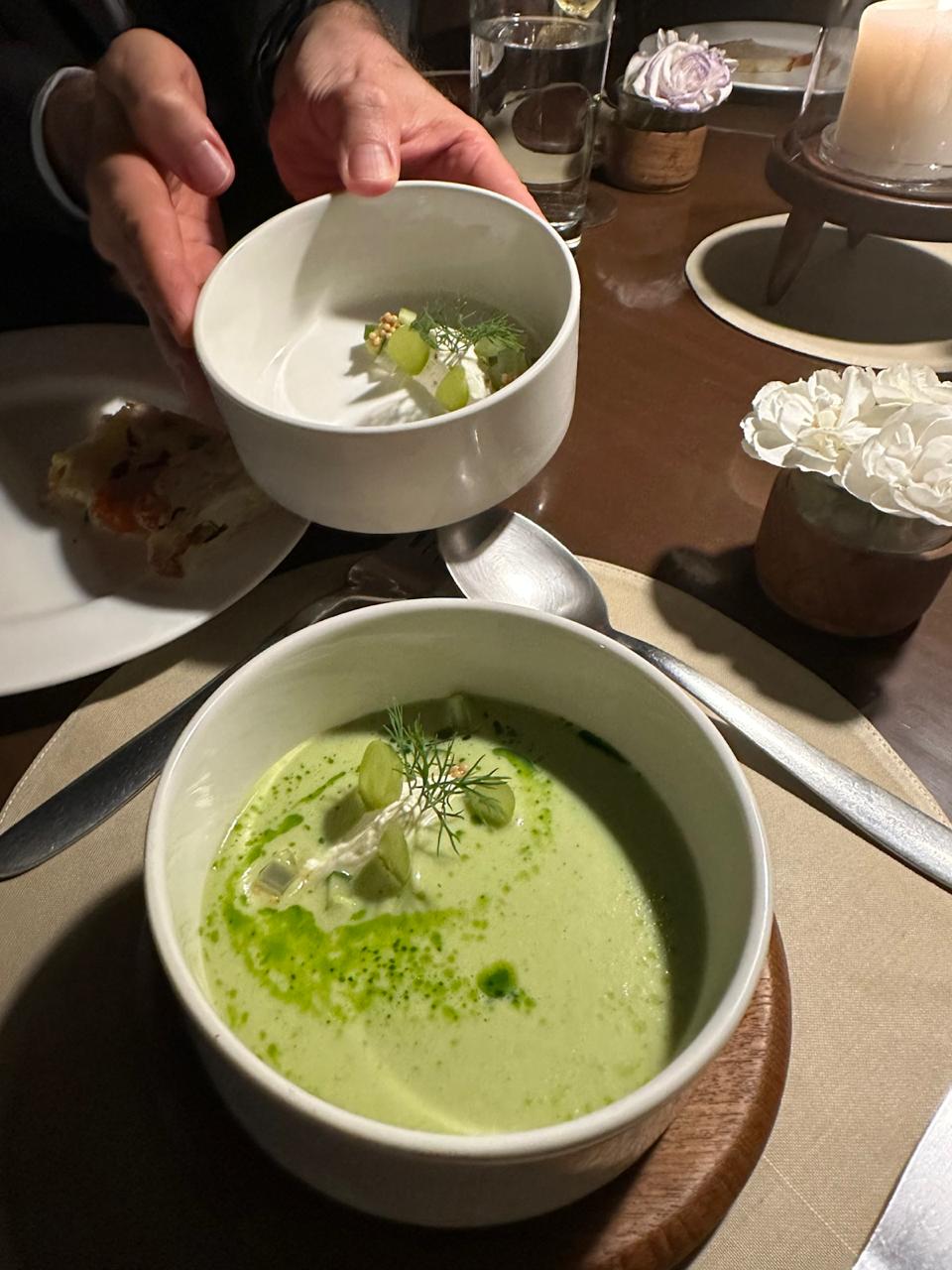
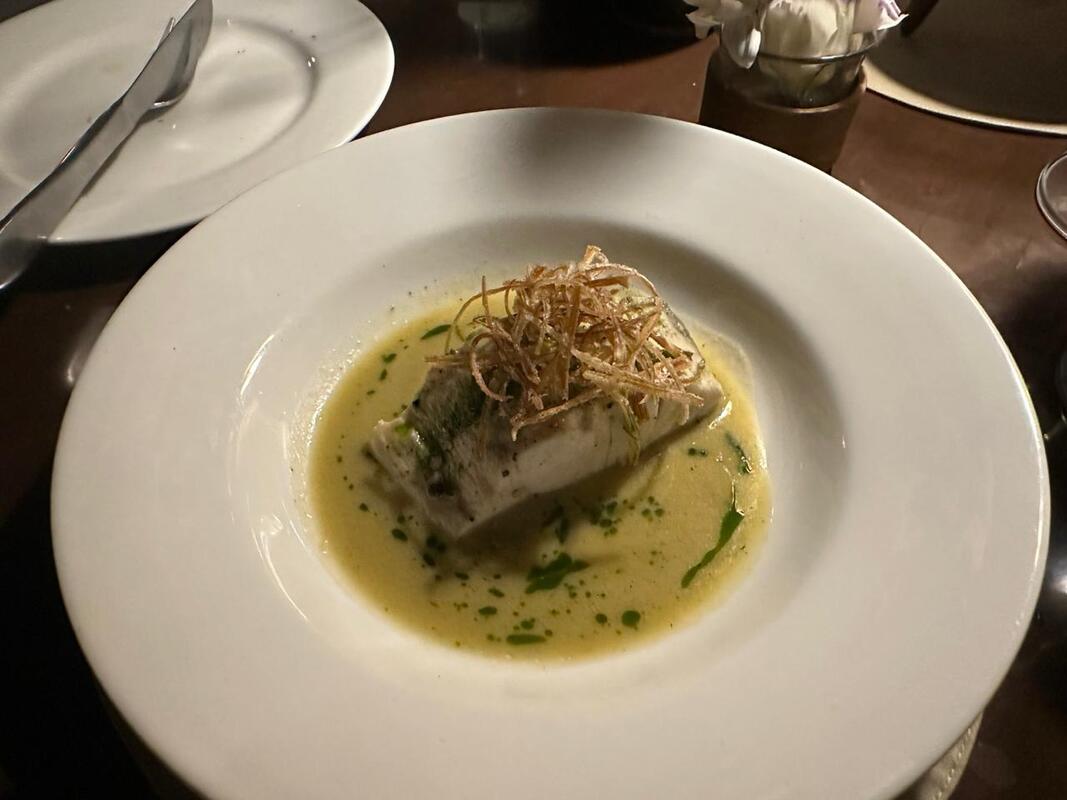
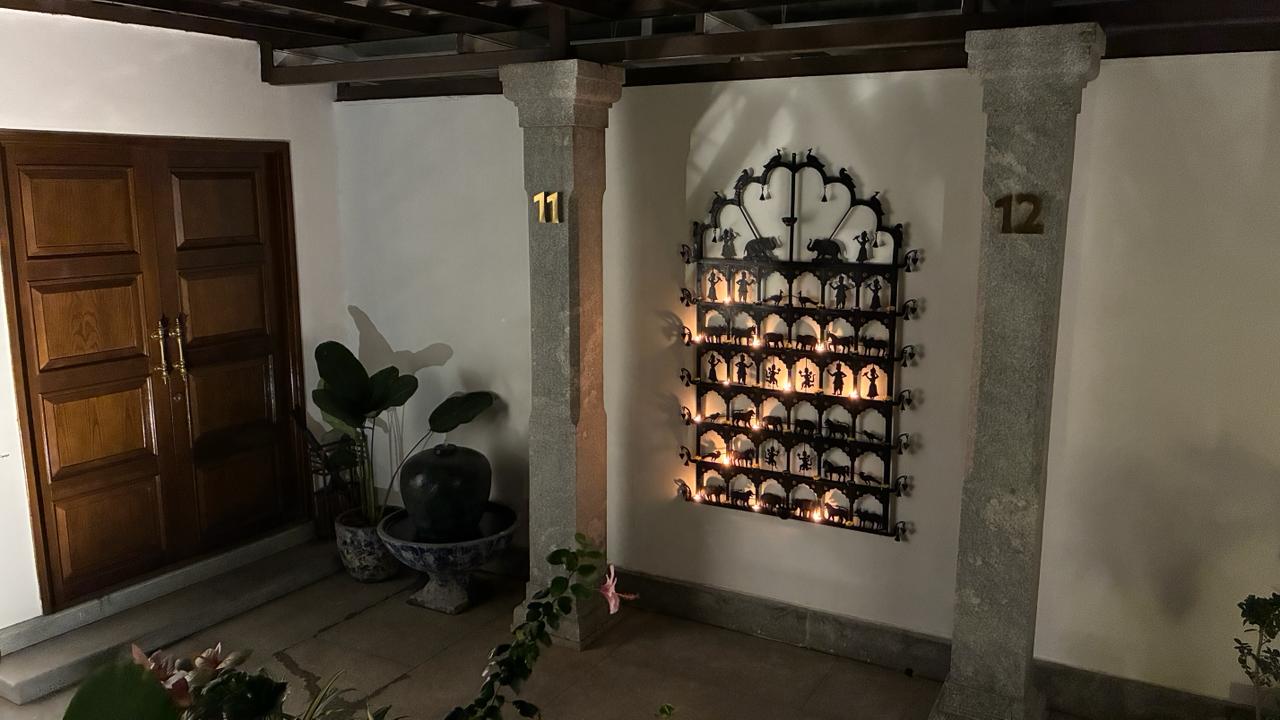
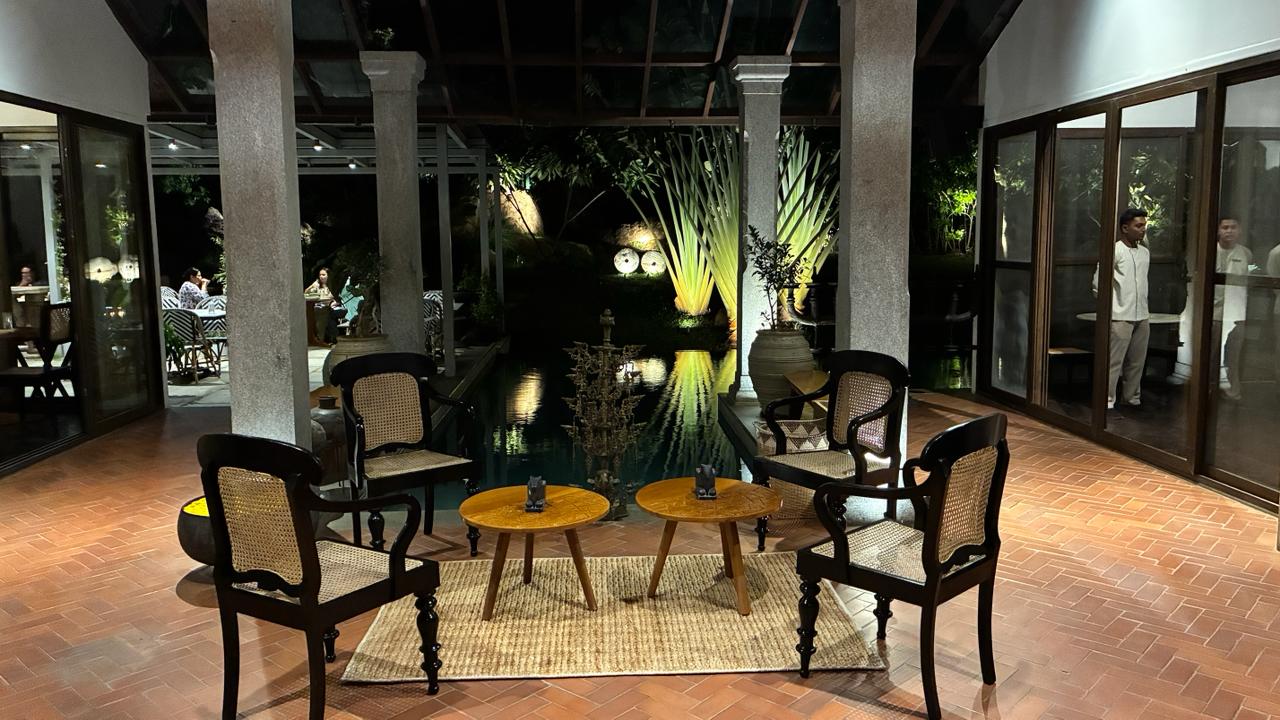
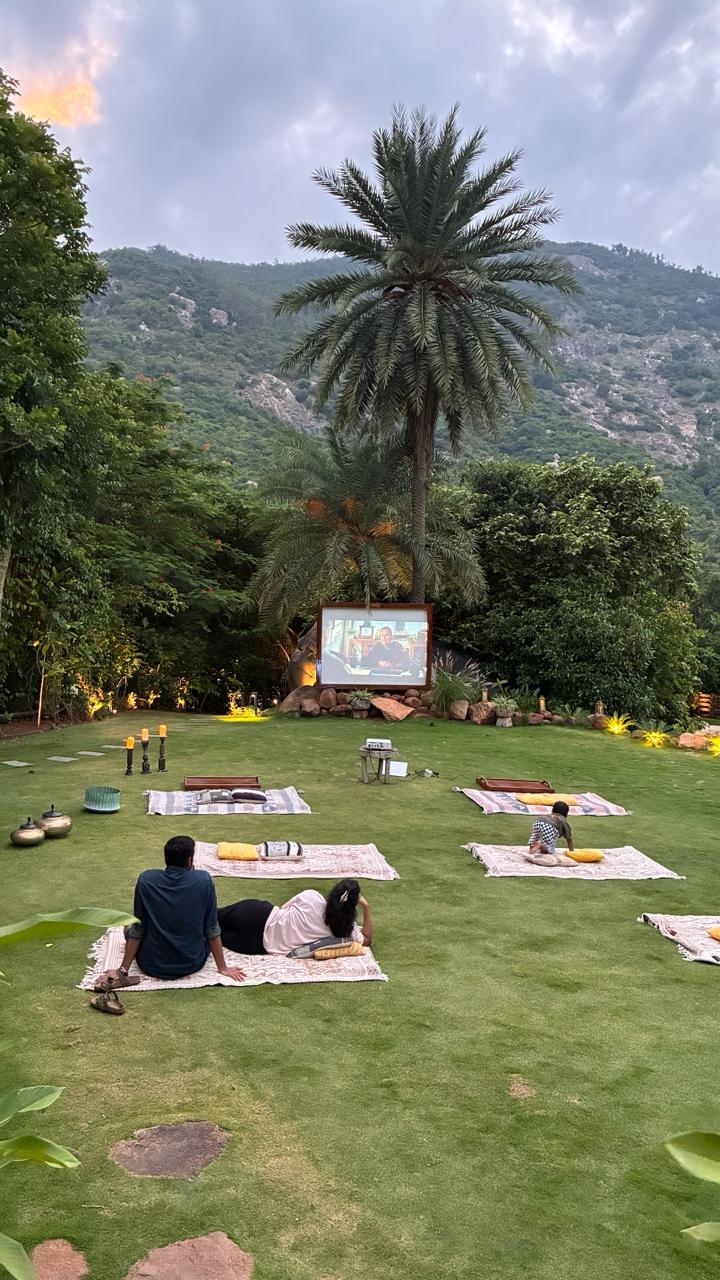
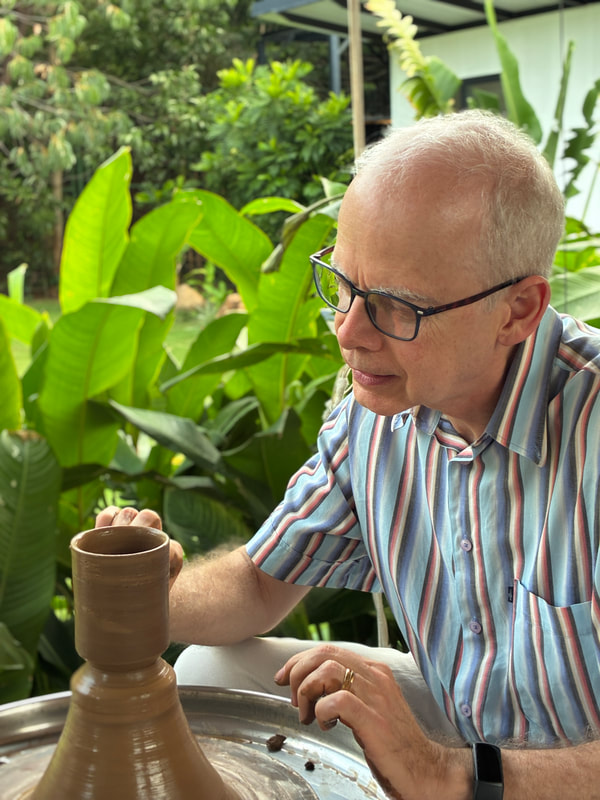
Am ersten Tag meines Bangalore-Aufenthaltes habe ich das Museum für indische Musik besucht. Es war langsam an der Zeit, dass ich etwas mehr darüber erfahre! Dort wird die Geschichte der indischen Musik mit Hilfe von diversen Medien (Film, Text, Tonaufnahmen, etc.) erklärt. Es ist für Kinder und Erwachsene konzipiert und ich habe einiges gelernt. Die indische Musik ist, wie alles Kulturell-Religiöse hier, sehr alt. [Allerdings glaube ich, dass es Musik überall seit ewigen Zeiten gibt, nämlich seit es Menschen gibt, die zusammenkommen.] Ab dem 12. Jahrhundert hat sich die Entwicklung der Musik im Norden und Süden Indiens unterschiedlich entwickelt. Auch das ist für viele kulturelle Güter so, weil in dieser Zeit der Einfluss des Islams im Norden grösser war als im Süden. So gibt es heute in der klassischen indischen Musik karnatische (im Süden) und hindustanische (im Norden) Musik. Mit der Musik sind oft Tanz und Geschichten verbunden. Das heisst, dass man mit Tanz oder mit Gesang und Musik Geschichten erzählt. Geschichten wiederum gibt es Tausende, und sie gehören zum Allgemeinwissen der Inder:innen. Sie werden seit eh und jeh erzählt und wurden in den wichtigsten Büchern des Hinduismus notiert. Die Ausübung der klassischen Musik ist streng strukturiert, hat jedoch improvisierte Elemente drin. Auch bei den Instrumenten kennen wir die meisten nicht in unserem Kulturkreis (Sithar, Tablas, etc.). Allerdings haben die Musiker:innen auch einige westliche Instrumente aufgenommen (zu Zeiten des britischen Raj): die Geige und das Harmonium zum Beispiel. Die Geige wird anders gehalten und gespielt wie bei uns und das Harmonium wurde umgebaut, u.a. damit man es sitzend spielen kann. Schliesslich wird im Museum auch betont, wie sich die Musikwelten gegenseitig beeinflusst haben und dies immer noch tun. Gut so, schliesslich ist Musik eine eigene und universelle Sprache! Ich war in Bangalore auch spazieren und habe ein paar Sachen eingekauft. Gemeisam waren wir im Museum für Kunst und Fotografie, haben sehr gut (mehrheitlich westlich) gegessen und am Ende ein Wochenende in einem wunderschönen Resort ausserhalb der Stadt verbracht, wo wir richtig verwöhnt wurden. Nun sind wir diese Woche wieder in unserem Hyderabader Alltag und bereiten uns auf die Ladakh-Reise vor. Wir reisen am Samstag ab. Abendessen in einem Gourmet-Restaurant mit einer Kollegin von Yashi und deren Ehemann. On the first day of my stay in Bangalore, I visited the Museum of Indian Music. It was about time I learnt a bit more about it! The museum explains the history of Indian music using various media (film, text, audio recordings, etc.). It is designed for both children and adults, and I learnt quite a lot. Indian music, like everything cultural and religious here, is very ancient. [Although I believe that music has existed everywhere since time immemorial – ever since people have been coming together.] From the 12th century onwards, the development of music in northern and southern India took different paths. This is also true of many cultural traditions, because during that period the influence of Islam was greater in the north than in the south. Consequently, classical Indian music today comprises Carnatic (in the south) and Hindustani (in the north) traditions. Dance and storytelling are often intertwined with the music. This means that stories are told through dance or through song and music. There are thousands of such stories, and they form part of the general knowledge of Indians. They have been told since time immemorial and have been recorded in the most important texts of Hinduism. The practice of classical music is strictly structured, yet incorporates elements of improvisation. As for the instruments, most are unfamiliar to us in our own cultural context (sitar, tablas, etc.). However, musicians have also adopted some Western instruments (during the British Raj): the violin and the harmonium, for example. The violin is held and played differently to how we do it, and the harmonium has been modified, amongst other things, so that it can be played whilst seated. Finally, the museum also emphasises how these musical worlds have influenced one another and continue to do so. And rightly so – after all, music is a language in its own right and a universal one at that! I also went for a walk in Bangalore and did a bit of shopping. Together, we visited the Museum of Art and Photography, enjoyed some excellent (mostly Western) food, and ended the weekend at a beautiful resort just outside the city, where we were really pampered. Now we’re back to our everyday life in Hyderabad this week and are getting ready for our trip to Ladakh. We’re setting off on Saturday. Au "resort", on pouvait aussi regarder un film et ... Le premier jour de mon séjour à Bangalore, j'ai visité le musée de la musique indienne. Il était grand temps que j'en apprenne un peu plus à ce sujet ! On y présente l'histoire de la musique indienne à l'aide de divers supports (films, textes, enregistrements sonores, etc.). Ce musée s'adresse aussi bien aux enfants qu'aux adultes et j'y ai beaucoup appris. La musique indienne, comme tout ce qui touche à la culture et à la religion ici, est très ancienne. [Je pense toutefois que la musique existe partout depuis la nuit des temps, c’est-à-dire depuis que des êtres humains se rassemblent.] À partir du XIIe siècle, la musique a évolué différemment dans le nord et dans le sud de l’Inde. C’est d’ailleurs le cas pour de nombreux biens culturels, car à cette époque, l’influence de l’islam était plus forte dans le nord que dans le sud. C’est ainsi qu’il existe aujourd’hui, dans la musique classique indienne, la musique carnatique (au sud) et la musique hindoustanie (au nord). La musique est souvent associée à la danse et aux récits. Cela signifie que l’on raconte des histoires à travers la danse ou le chant et la musique. Or, il existe des milliers de récits, qui font partie de la culture générale des Indiens et des Indiennes. Ils sont racontés depuis la nuit des temps et ont été consignés dans les textes fondamentaux de l’hindouisme. La pratique de la musique classique est strictement structurée, mais comporte néanmoins des éléments d’improvisation. Quant aux instruments, la plupart nous sont inconnus dans notre culture (sithar, tablas, etc.). Cependant, les musiciens ont également intégré certains instruments occidentaux (à l’époque du Raj britannique) : le violon et l’harmonium, par exemple. Le violon se tient et se joue différemment de chez nous, et l’harmonium a été modifié, notamment pour pouvoir être joué en position assise. Enfin, le musée souligne également comment les univers musicaux se sont influencés mutuellement et continuent de le faire. C’est une bonne chose, car après tout, la musique est un langage universel ! Je suis également allée me promener à Bangalore et j'ai fait quelques achats. Ensemble, nous avons visité le musée d'art et de photographie, nous avons très bien mangé (principalement de la cuisine occidentale) et nous avons terminé le week-end dans un magnifique "resort" à l'extérieur de la ville, où nous avons été vraiment choyés. Cette semaine, nous avons repris notre quotidien à Hyderabad et nous nous préparons pour notre voyage au Ladakh. Nous partons samedi. ... faire de la poterie et une promenade guidée.
0 Comments
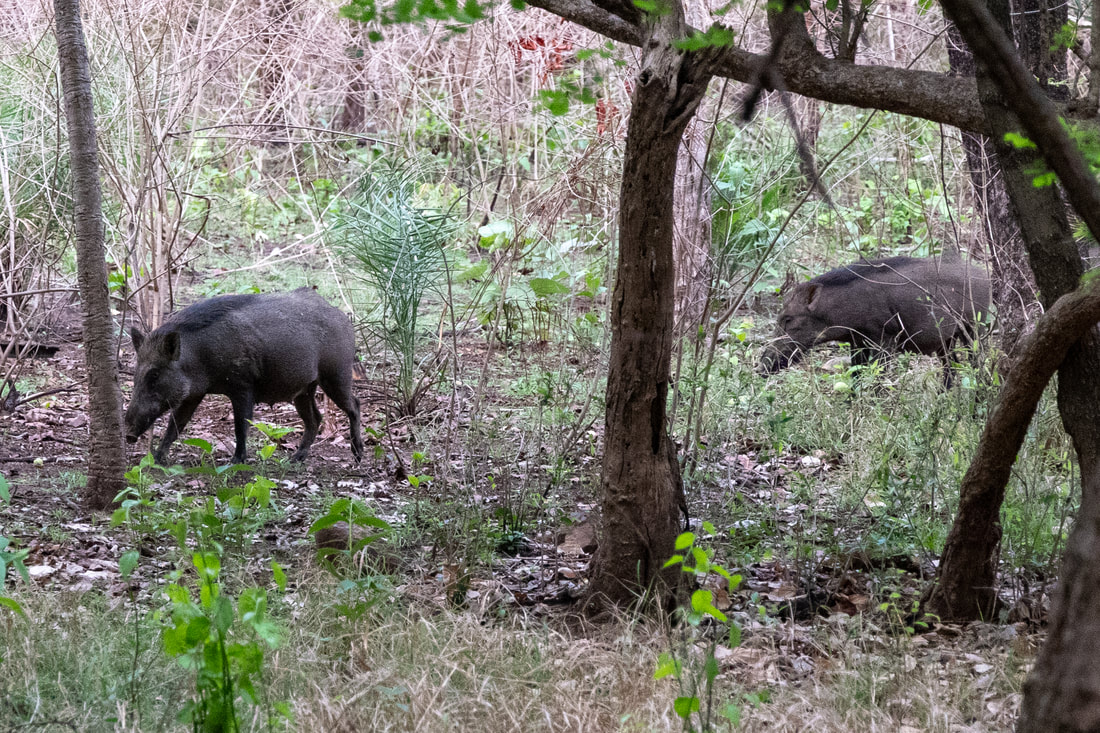
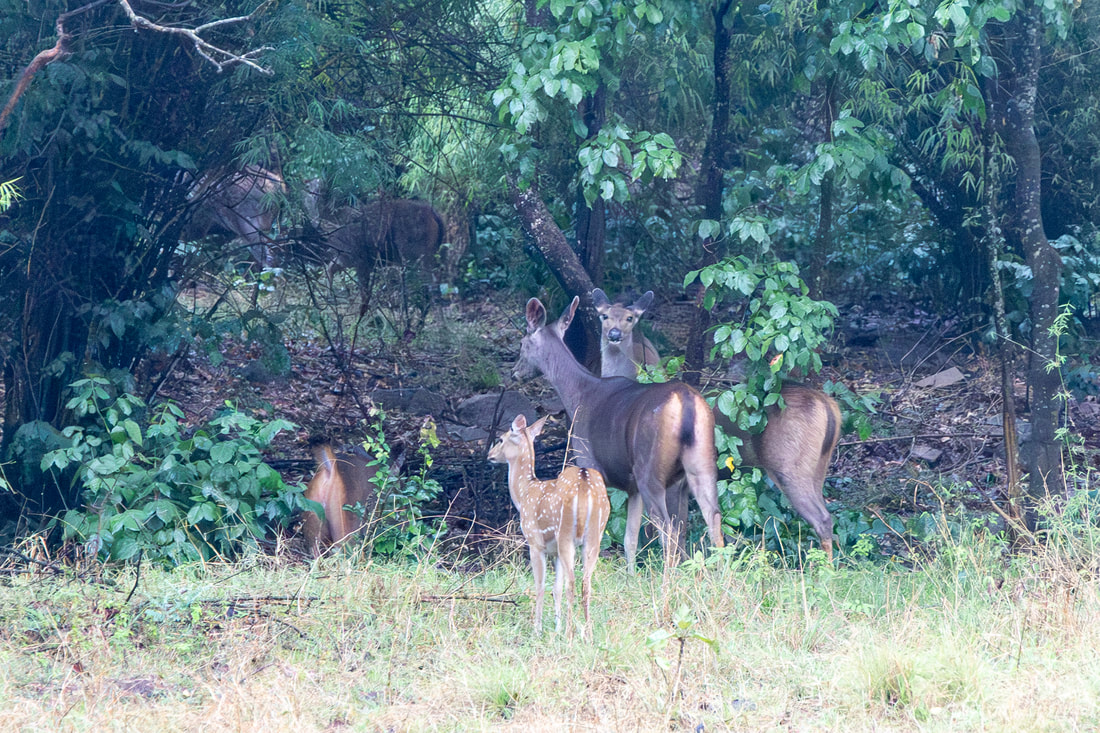
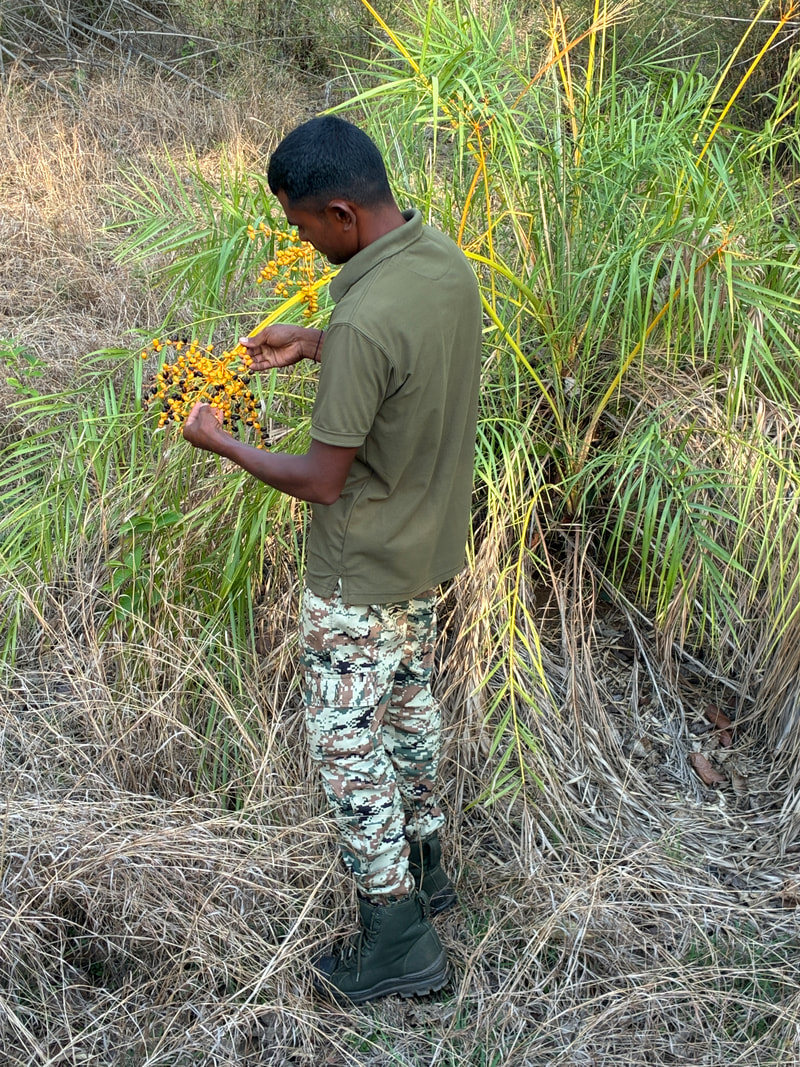
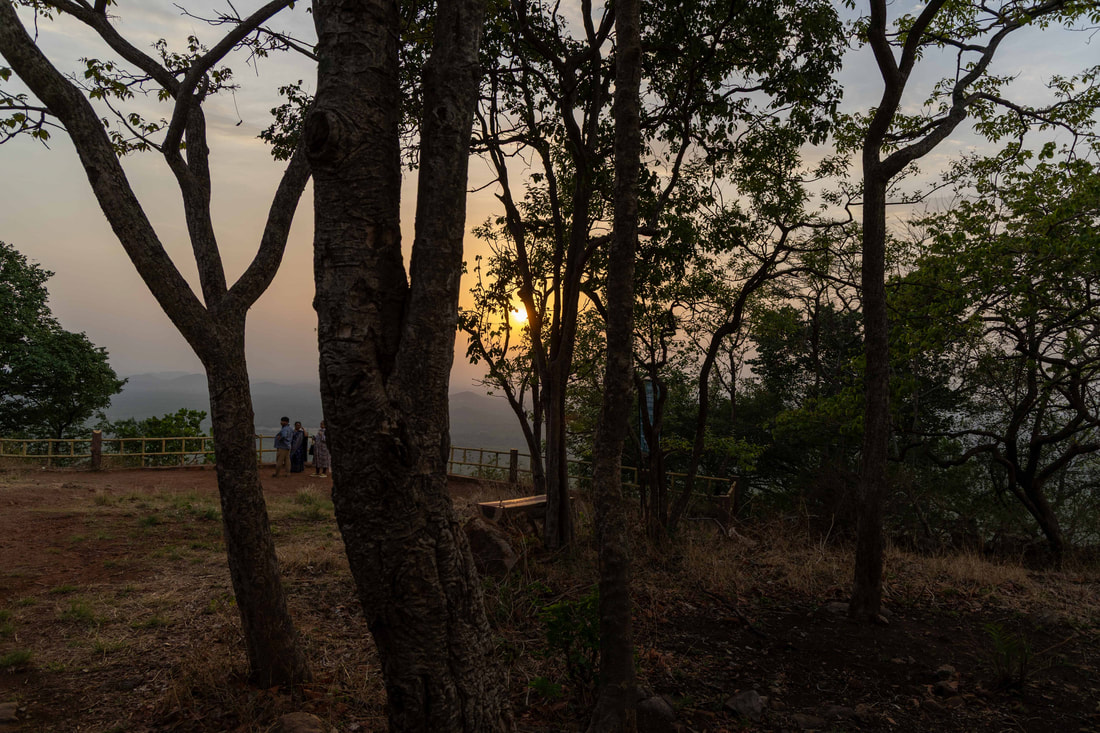
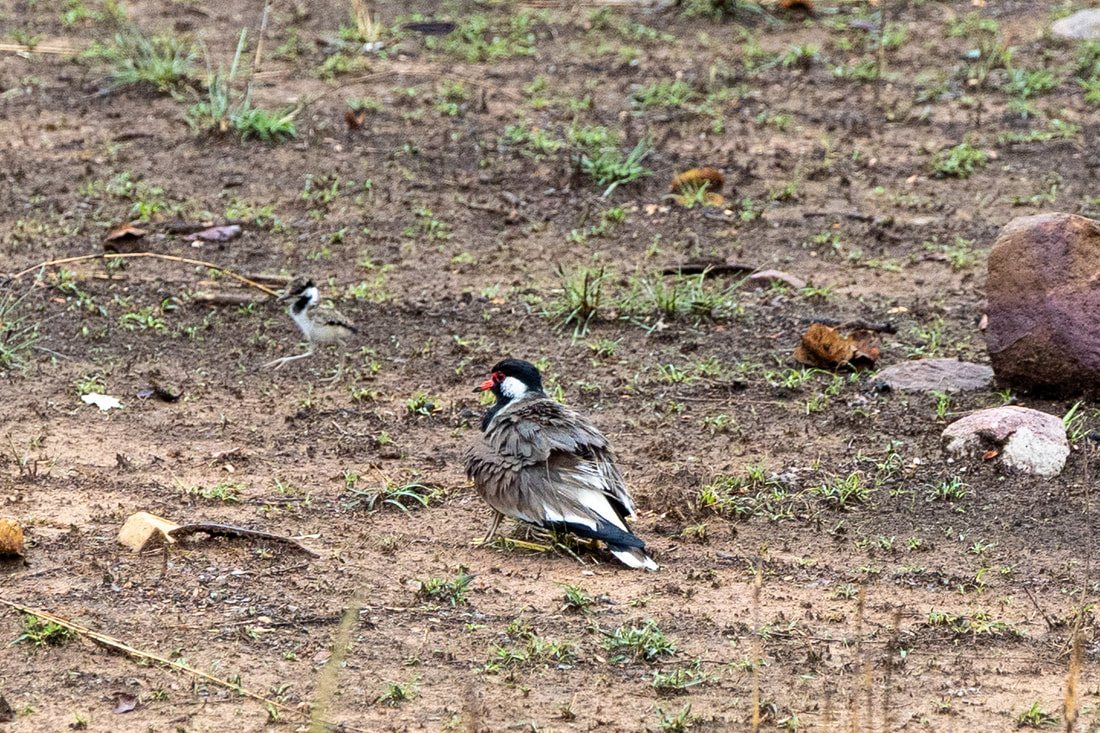
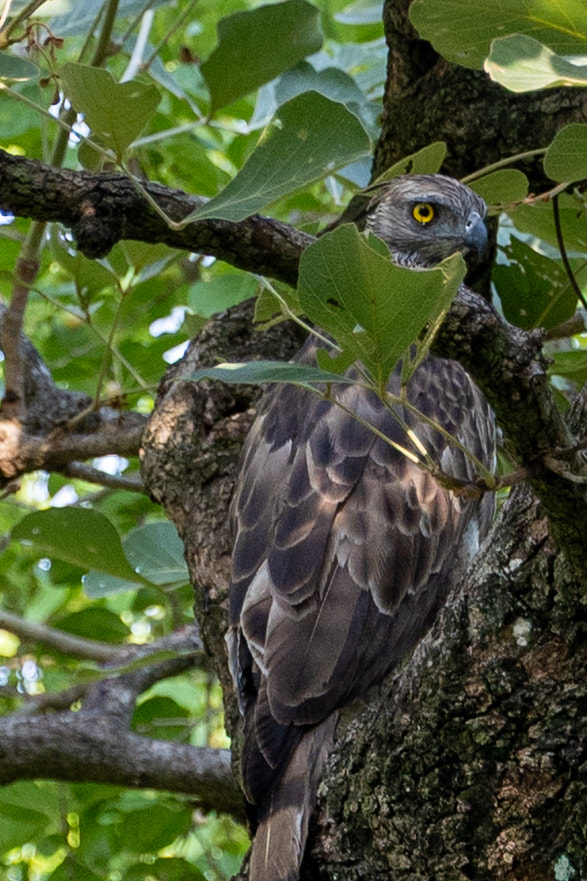
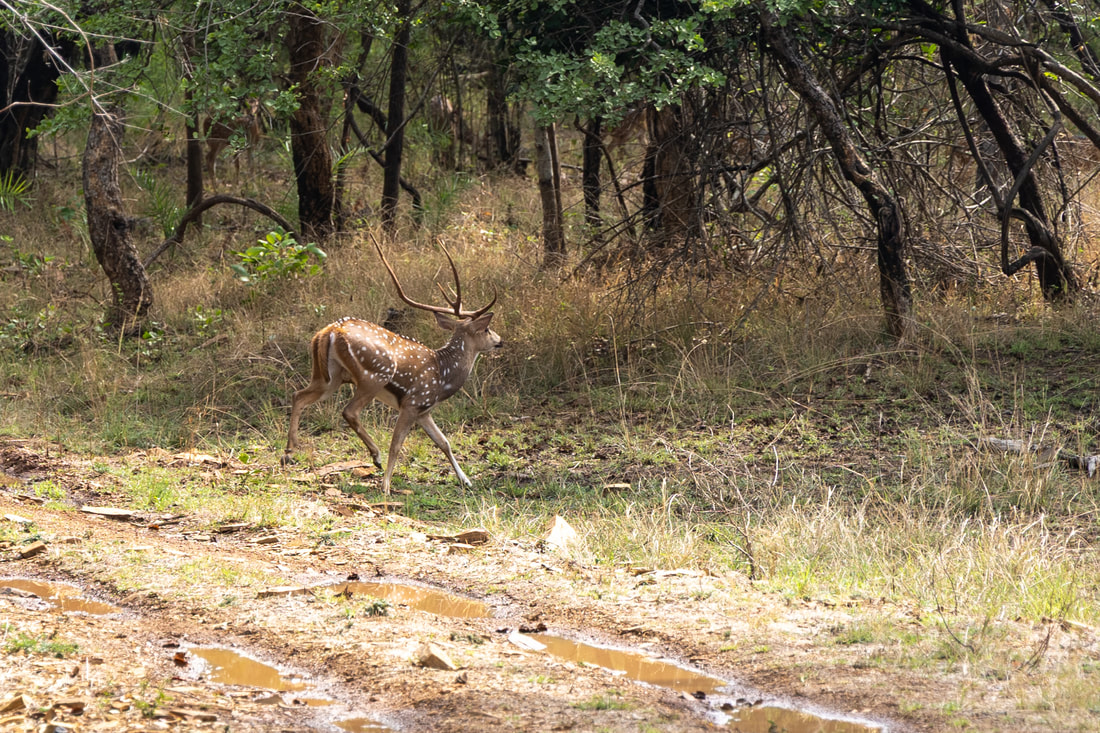
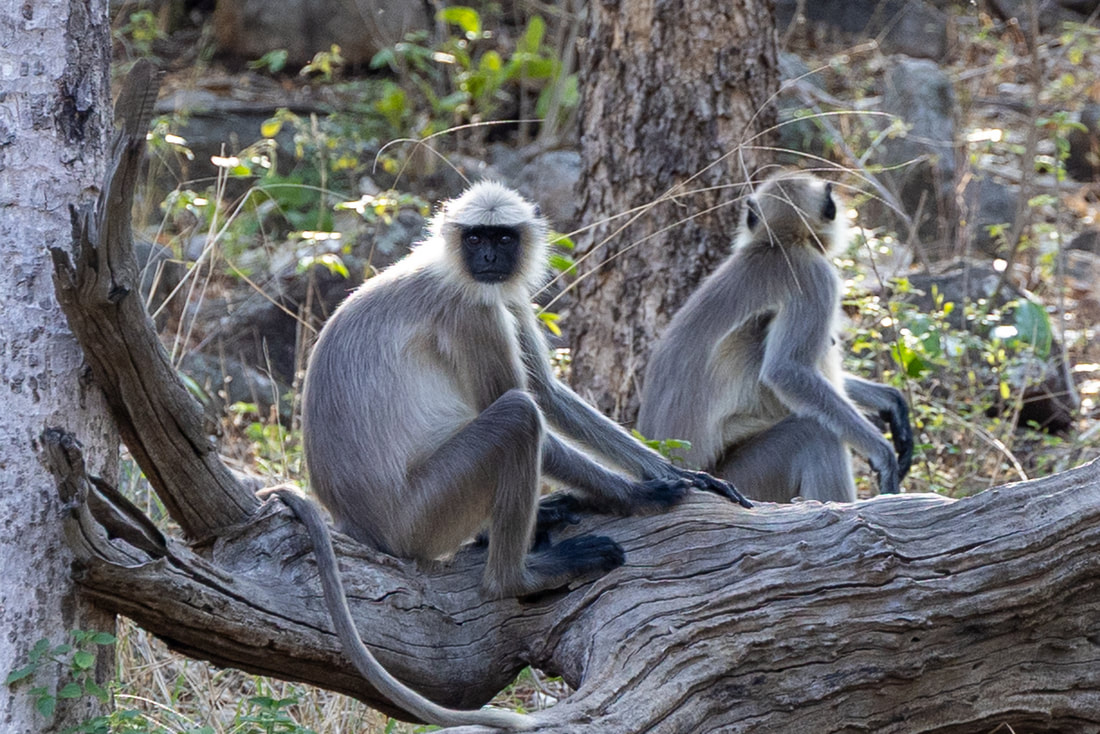
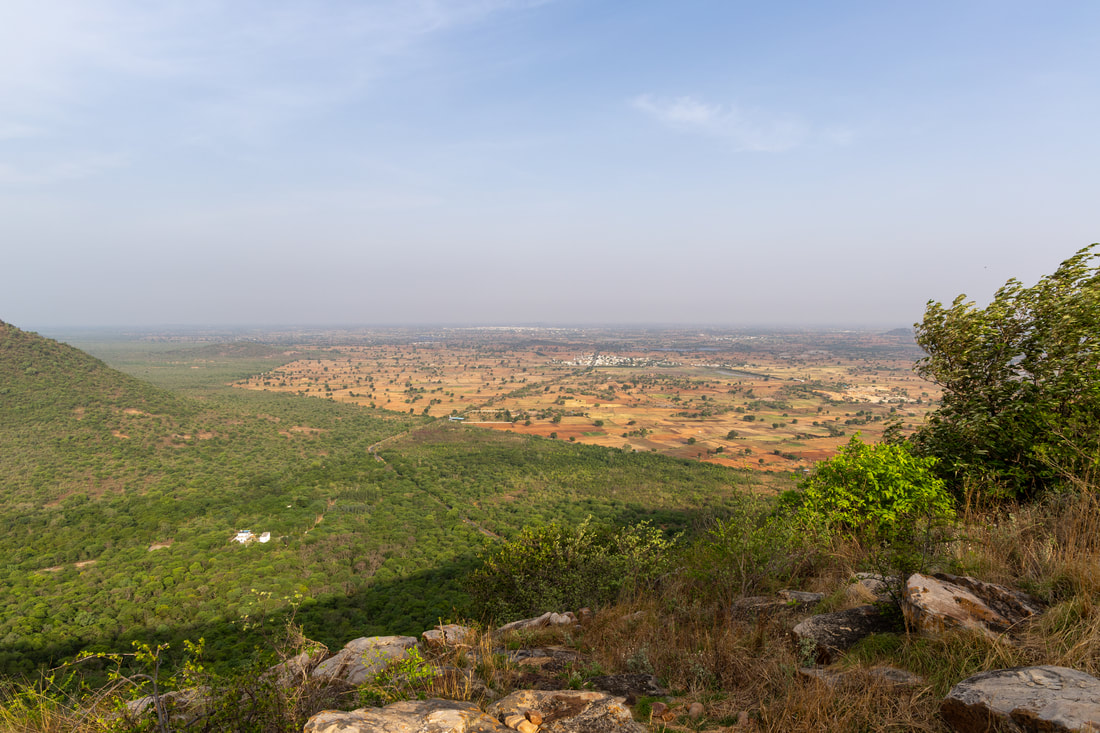
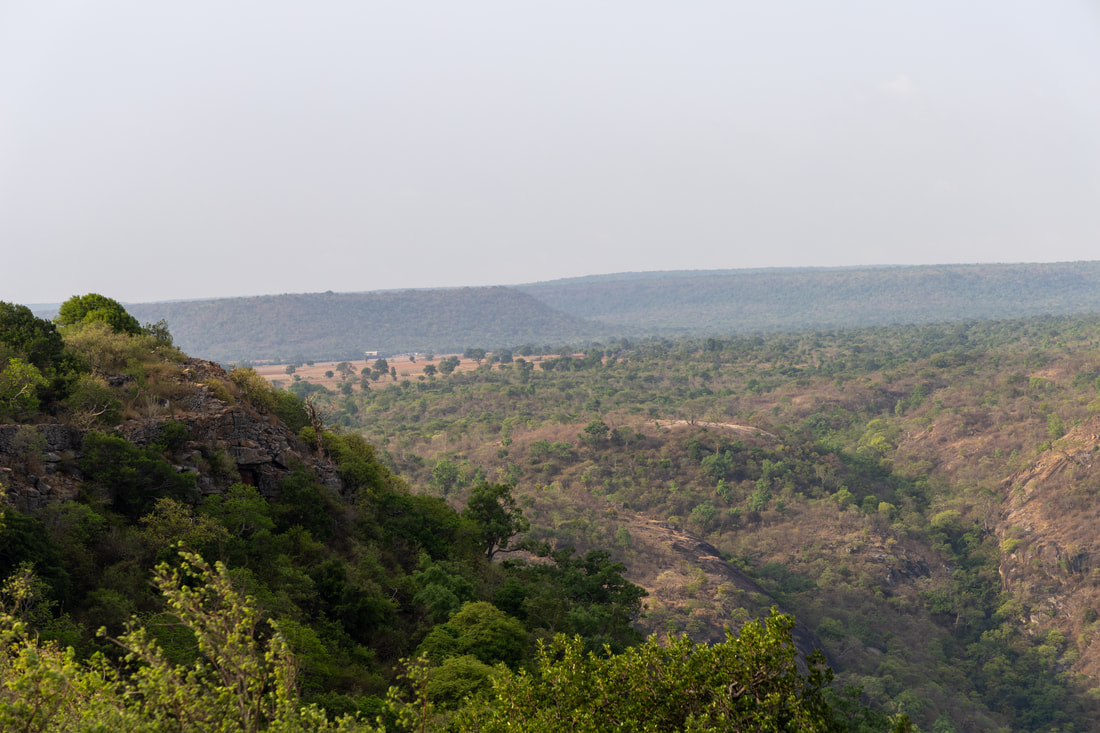
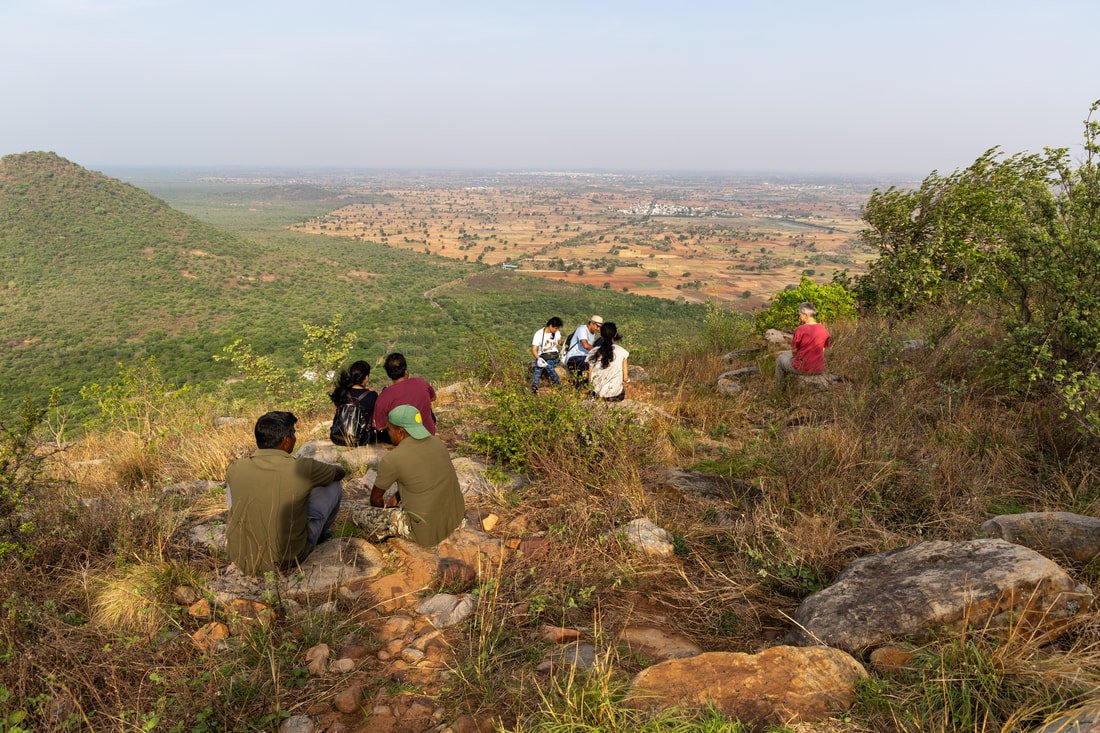
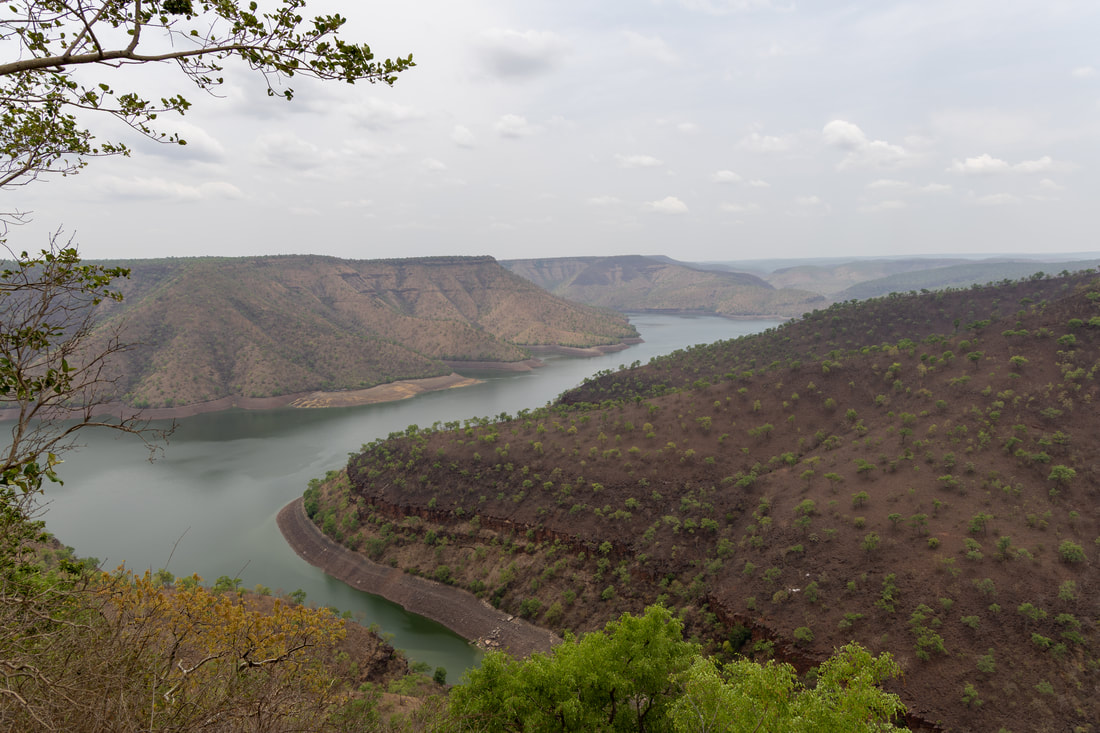
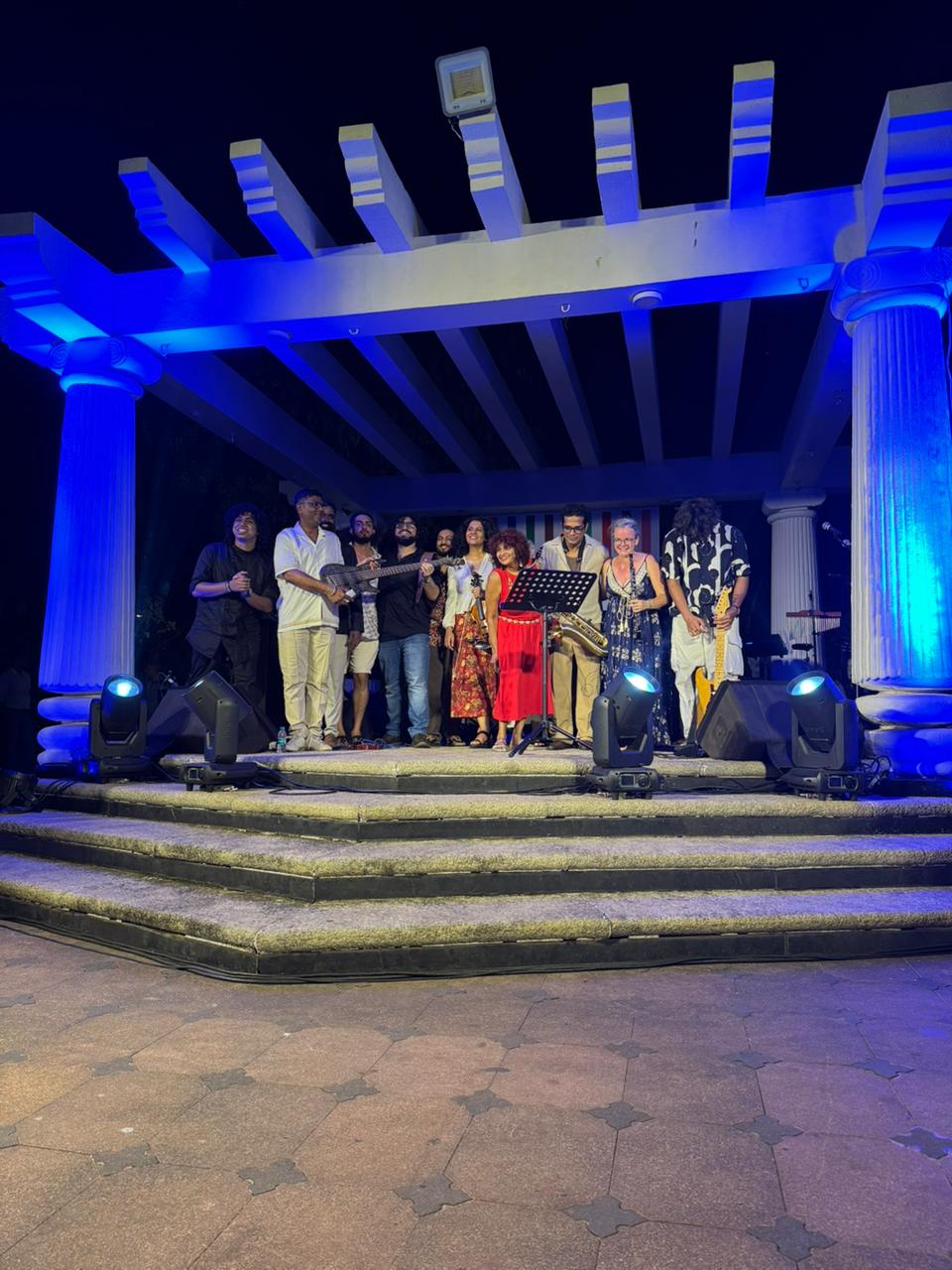
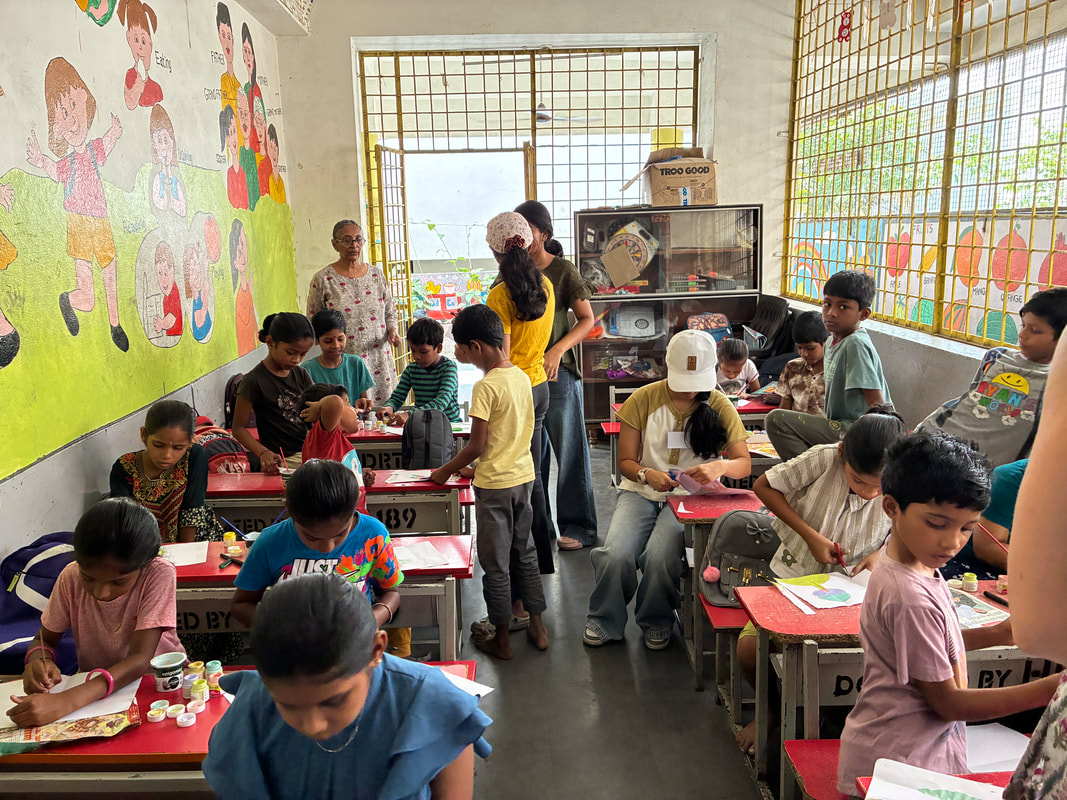
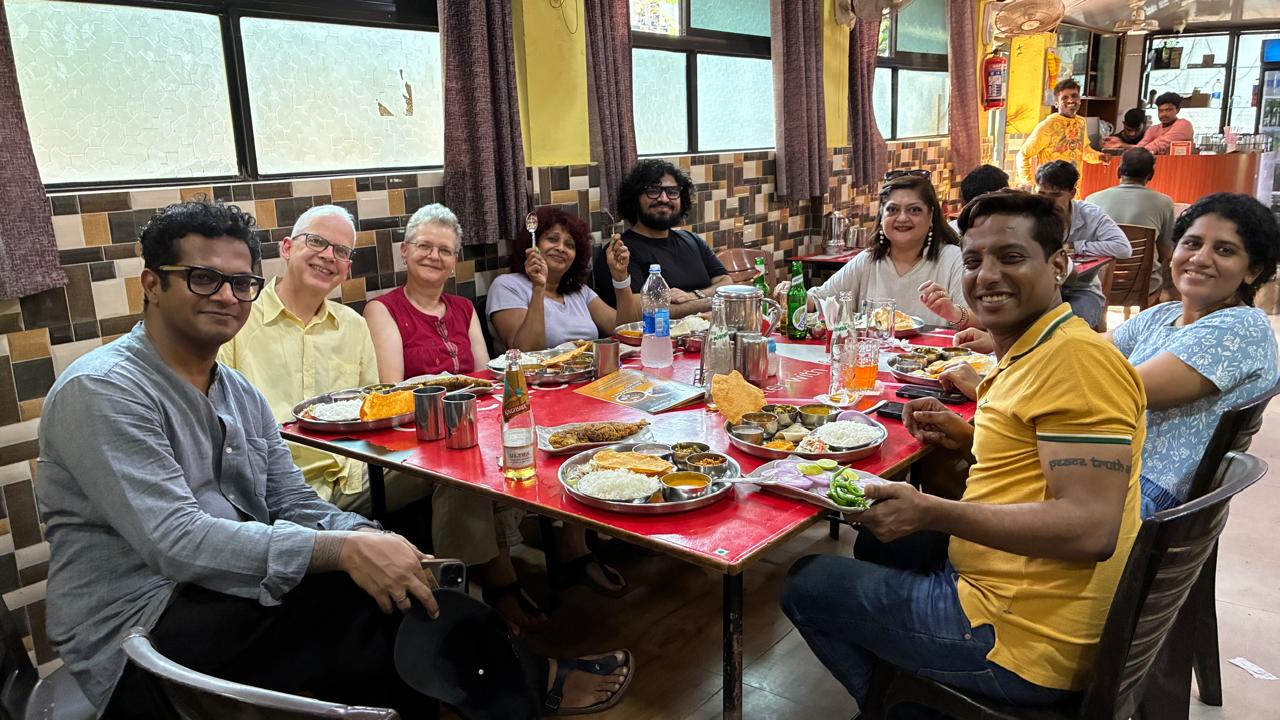
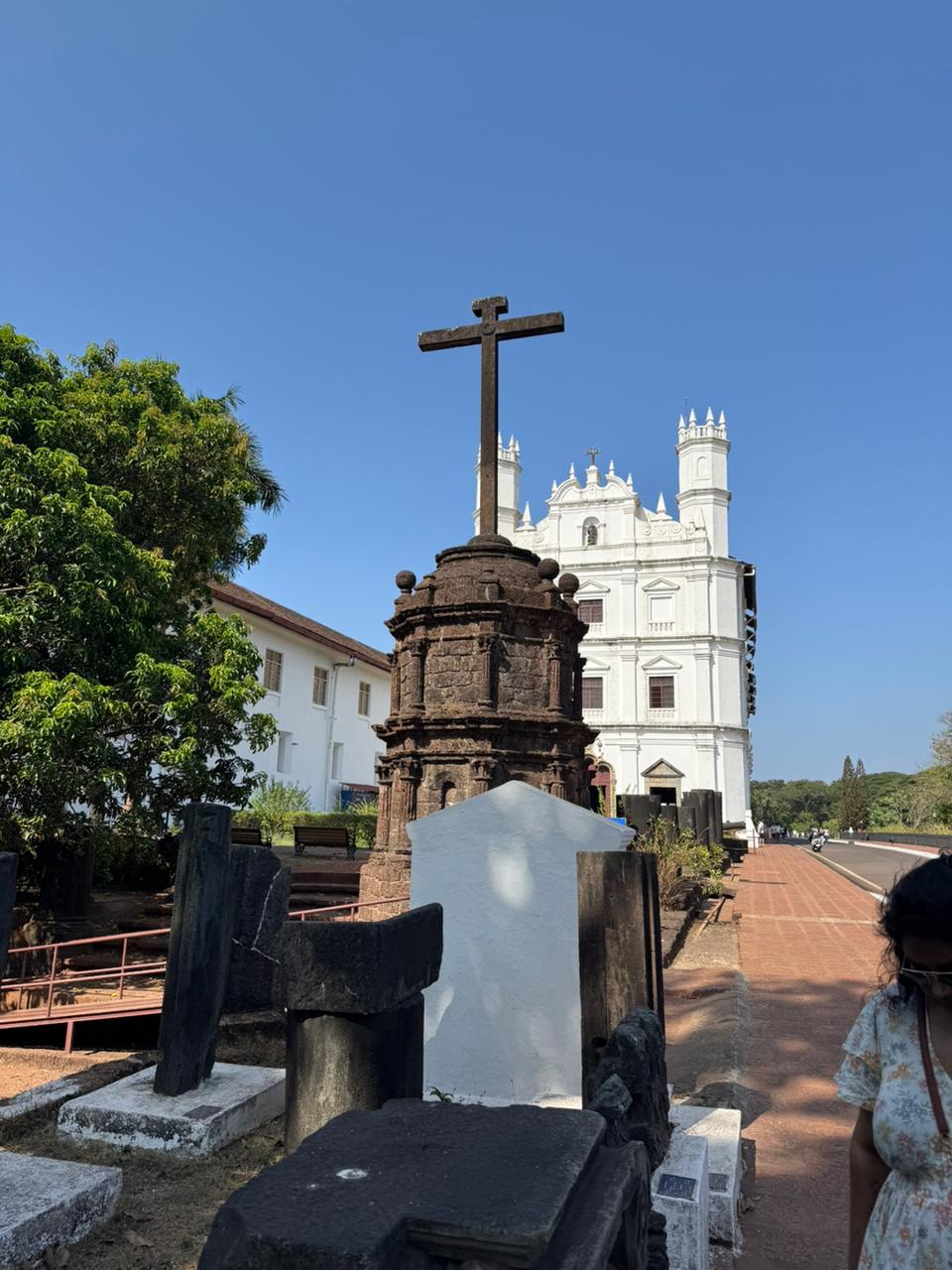
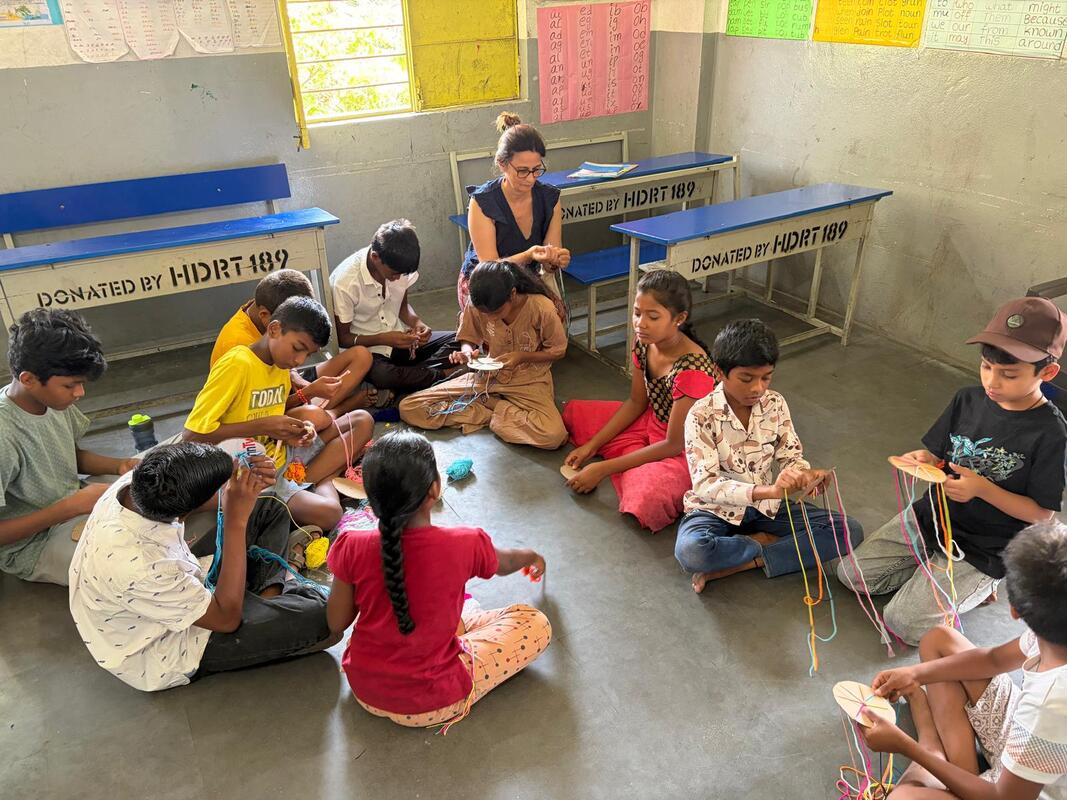
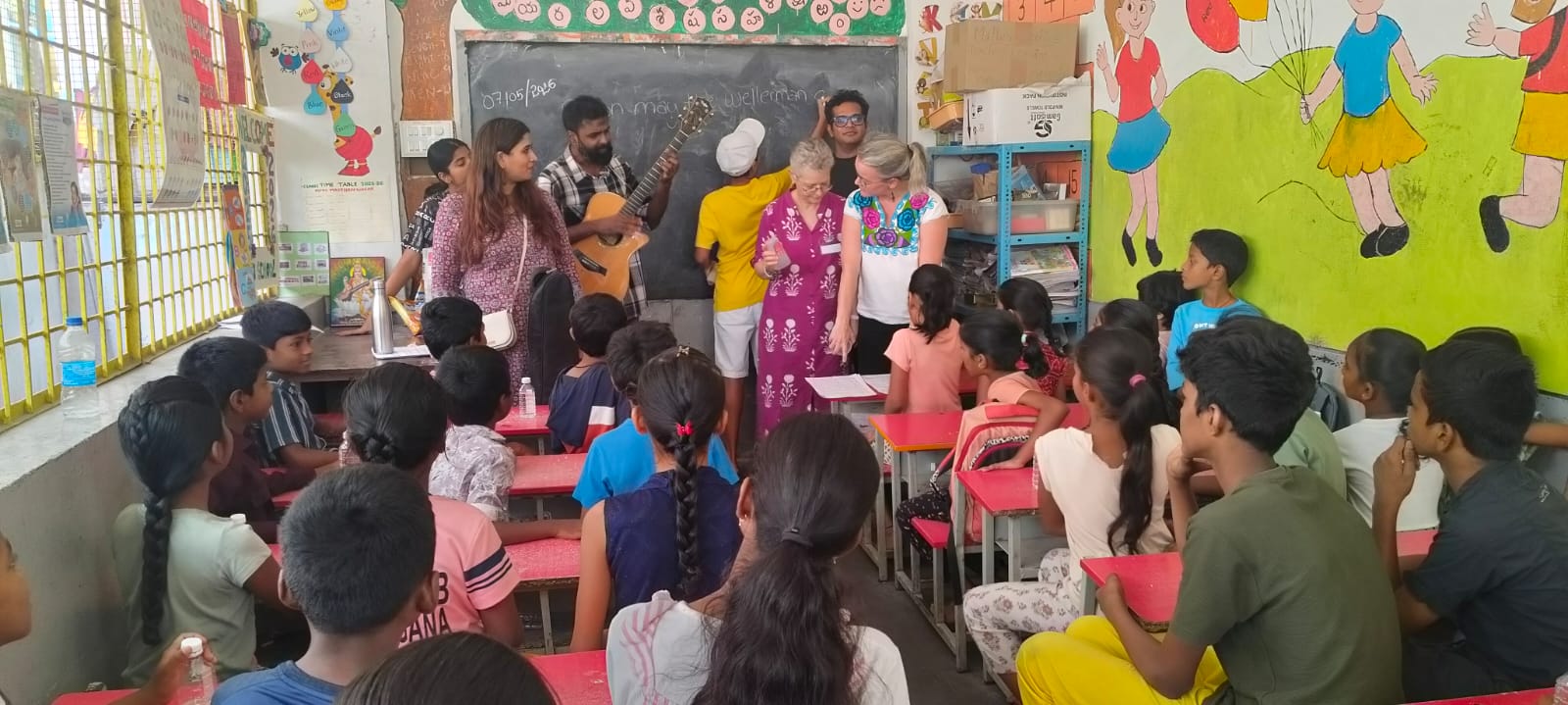
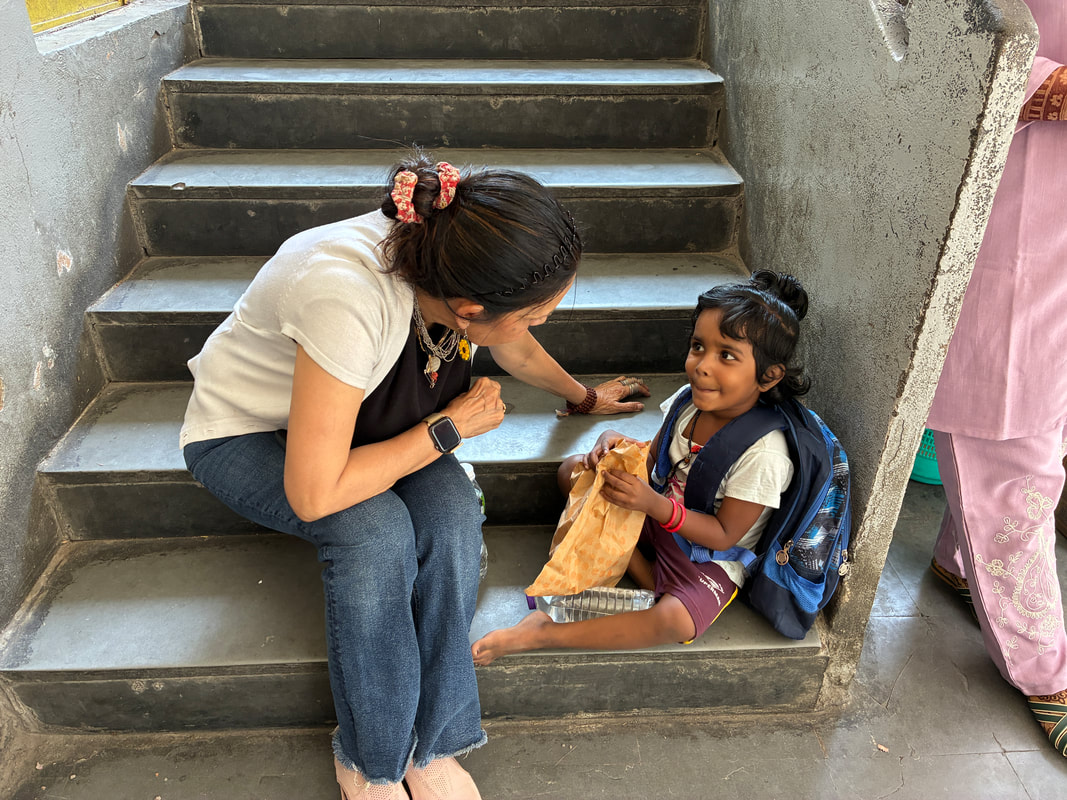
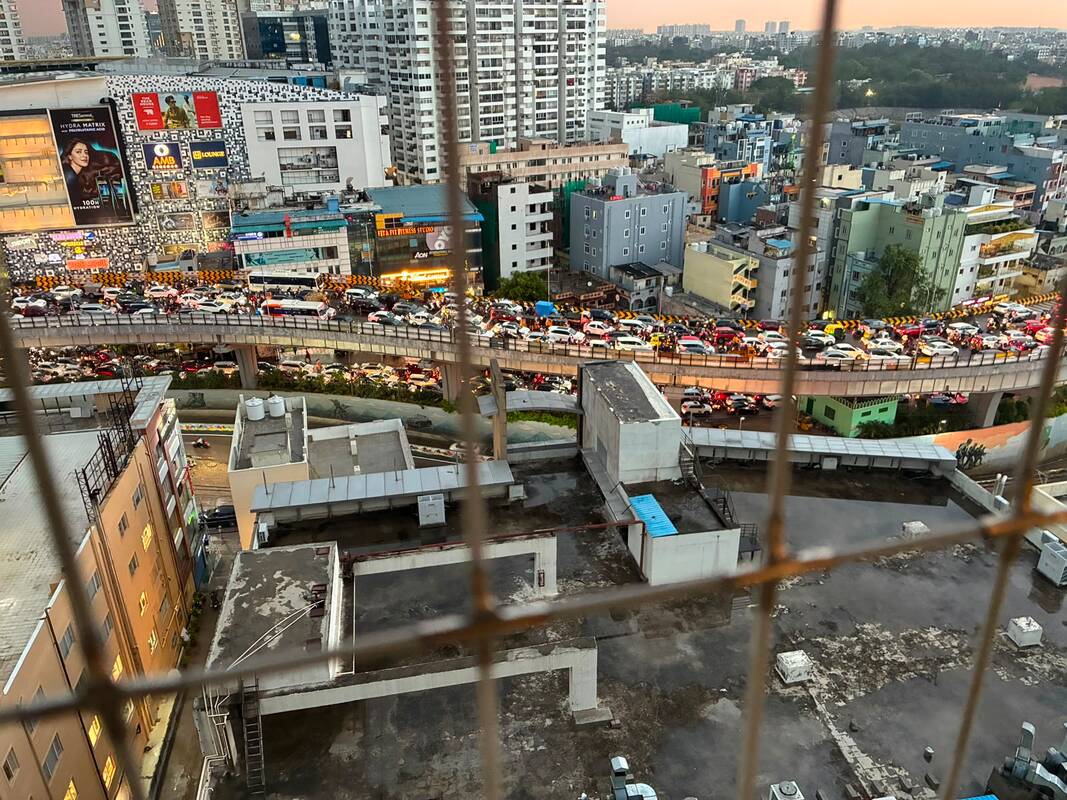 Sicht von unserem Balkon auf die Strasse (Flyover und die darunter) nach dem Sturm. Der Verkehr steht still. View from our balcony of the street (the flyover and the road below) after the storm. The traffic has come to a standstill. Vue depuis notre balcon sur la rue (le flyover et la rue en dessous) après la tempête. La circulation est à l'arrêt. Letzte Woche war Yashi in Bangalore. Ich bin bis Mitte Woche hier in Hyderabad geblieben und ihm dann am Mittwoch gefolgt. Am Dienstag hatten wir mit vier Frauen einen unserer regelmässigen Mahjong-Abende geplant. Da hat uns jedoch das hiesige Wetter herausgefordert! Gegen Ende des Nachmittags hat sich der Himmel verdüstert. Ich war in der Mall nebendran und bin rasch nach Hause spaziert. Die ersten grossen Tropfen haben mich erreicht, aber ich bin einigermassen trocken angekommen. Kurz danach hat es nicht nur gegossen, es hat ein heftiger Sturm getobt. Eine der Mitspielerinnen war genau dann auf dem Weg zu mir (auch sie war in der Mall, etwas länger als ich). Sie ist triefend nass angekommen und sogleich unter die Dusche gegangen. Die Herausforderung war dann, trockene Kleidung für sie zu finden, da ihre Kleidergrösse erheblich höher als meine ist. Mit etwas Kreativität hat es dann geklappt: eine meiner Blusen ist gross genug und sie hat sich ein Bettlaken wie ein Strandtuch umgebunden 😊. Die nächste Freundin, die ebenfalls in der Mall war (wir drei waren am selben Ort ohne es zu wissen), ist etwas später und etwas weniger nass angekommen. Sie hatte sich Kleider in der Mall gekauft und konnte ihre neue, trockene Bluse gleich einweihen. Die dritte Spielerin sass zwei Stunden im Taxi: Wenn es so stark regnet, werden die Strassen eine Zeit lang zu reissenden Flüssen, was den Verkehr natürlich erheblich verlangsamt. Ausserdem stehen alle "two-wheelers", also Motorräder und Scooter, unter den sogenannten "Flyovers", den Hochstrassen, wo sie einigermassen geschützt sind. Dabei blockieren sie die Strassen vollkommen; es sind ja so massiv viele two-wheelers unterwegs. Das alles zur Stosszeit! Nach zwei Stunden hat meine Freundin entschieden, die letzten ein-zwei Kilometer zu Fuss zu gehen und musste sich durch riesige Pfützen und anderes kämpfen. Sie ist zwar heil angekommen, hat sich aber geärgert und gemeint, sie wäre besser im Auto sitzen geblieben. Die vierte Spielgenossin hat ein Taxi genommen und ist nach kürzester Zeit nicht weitergekommen, weil ihre Strasse einem See glich. Sie ist wieder nach Hause gegangen (mit dem Dessert, das sie für uns gekauft hatte 🥹). Okay, nun waren wir also zu viert bei mir. Dieses Mal hatten wir geplant, Pizza zu bestellen und mein Kühlschrank war leer, da ich am nächsten Tag nach Bangalore gereist bin. Ja, aber, bei dem Wetter - ?! - kann man kein Essen bestellen; es kann ja gar nicht geliefert werden. Zum Glück haben wir einen kleinen Einkaufsladen hier in der Siedlung. Dort konnten wir "Maggi" (eine Art Fertig-Nudel-Gericht, wirklich von Maggi produziert), Erbsli und Gemüse-Nuggets kaufen. Ich hatte auch noch Eier für ins Maggi und so haben wir uns ein einfaches, spontanes und ganz gutes Abendessen gekocht. Ich habe mich wie zu Studienzeiten gefühlt (ist ein paar Jahre her) 🤣. Mit all diesem Unerwarteten und Improvisierten war es ein fröhlicher Abend, und wir haben auch noch vier Runden Mahjong gespielt. Last week, Yashi was in Bangalore. I stayed here in Hyderabad until the middle of the week and then joined him on Wednesday. On Tuesday, I had planned one of our regular Mahjong evenings at home, with four friends. However, the local weather got in the way! Towards the end of the afternoon, the sky darkened. I was in the shopping centre next door and walked home quickly. The first big drops of rain hit me, but I arrived more or less dry. Shortly afterwards, it wasn’t just pouring with rain – a violent storm was raging. One of the other players was on her way to my place at that very moment (she’d also been at the mall, but for a bit longer than me). She arrived soaking wet and went straight into the shower. The challenge then was to find some dry clothes for her, as she’s a much larger size than me. With a bit of creativity, we managed it: one of my blouses was big enough and she wrapped a bedsheet around herself like a beach towel 😊. The next friend, who was also in the mall (the three of us were in the same place without realising it), arrived a little later and a little less wet. She’d bought some clothes in the mall and was able to wear her new, dry blouse straight away. The third player spent two hours in a taxi: when it rains this heavily, the roads turn into raging rivers for a while, which naturally slows traffic down considerably. What’s more, all the ‘two-wheelers’ – that is, motorbikes and scooters – gather under the so-called ‘flyovers’, the elevated roads, where they’re reasonably sheltered. In doing so, they completely block the roads, there are so many two-wheelers on the move. All this at rush hour! After two hours, she decided to walk the last kilometre or two and had to battle her way through huge puddles and other obstacles. She arrived safely, but was annoyed and said she would have been better off staying in the car. The fourth friend took a taxi and got stuck after a very short time because her street looked like a lake. She went back home (with the dessert she’d bought for us 🥹). So there we were, the four of us at my place. This time we’d planned to order pizza, and my fridge was empty as I was travelling to Bangalore the next day. Yes, but with this weather – ?! – you can’t order food; it simply can’t be delivered. Luckily, we have a little shop here in the community. There we were able to buy ‘Maggi’ (a kind of instant noodle dish, actually produced by Maggi), peas and vegetable nuggets. I also had some eggs to add to the Maggi, so we cooked ourselves a simple, spontaneous and rather tasty dinner. I felt like I was back in my student days (a few years ago now) 🤣. With all this unexpected and improvised stuff, it was a cheerful evening, and we even played four rounds of Mahjong. La semaine dernière, Yashi était à Bangalore. Je suis restée ici à Hyderabad jusqu'au milieu de la semaine, puis je l'ai rejoint mercredi. Mardi, nous avions prévu l'une de nos soirées mah-jong habituelles avec quatre femmes. Mais le temps local en a décidé autrement ! En fin d'après-midi, le ciel s'est assombri. J'étais au centre commercial d'à côté et je suis rentrée rapidement à pied. Les premières grosses gouttes m'ont rattrapée, mais je suis arrivée à peu près au sec. Peu après, il n’a pas seulement plu des cordes, une violente tempête s’est abattue. L’une des participantes était justement en route vers chez moi à ce moment-là (elle aussi était au centre commercial, mais un peu plus longtemps que moi). Elle est arrivée trempée et a immédiatement pris une douche. Le défi a alors été de lui trouver des vêtements secs, car elle fait une taille bien plus grande que moi. Avec un peu de créativité, on a fini par y arriver : l’un de mes chemisiers était assez grand et elle s’est enroulée dans un drap de lit comme dans une serviette de plage 😊. L’amie suivante, qui était elle aussi au centre commercial (nous étions toutes les trois au même endroit sans le savoir), est arrivée un peu plus tard et un peu moins trempée. Elle s’était acheté des vêtements et a pu tout de suite étrenner sa nouvelle blouse sèche. La troisième joueuse est restée deux heures dans un taxi : quand il pleut aussi fort, les rues se transforment pendant un moment en rivières en crue, ce qui ralentit bien sûr considérablement la circulation. De plus, tous les « two-wheelers », c'est-à-dire les motos et les scooters, se réfugient sous les « flyovers », les ponts routiers, où ils sont relativement à l'abri. Ce faisant, ils bloquent complètement les routes ; il y a en effet un nombre impressionnant de two-wheelers en circulation. Tout cela à l’heure de pointe ! Au bout de deux heures, elle a décidé de parcourir les derniers kilomètres à pied et a dû se frayer un chemin à travers d’énormes flaques d’eau et autres obstacles. Elle est certes arrivée saine et sauve, mais elle était agacée et a déclaré qu’elle aurait mieux fait de rester dans la voiture. La quatrième de nos amies a pris un taxi et s’est retrouvée bloquée au bout de quelques minutes, car sa rue ressemblait à un lac. Elle est rentrée chez elle (avec le dessert qu’elle avait acheté pour nous 🥹). Bon, on était donc à quatre chez moi. Cette fois-ci, on avait prévu de commander des pizze, mais mon frigo était vide, car je partais pour Bangalore le lendemain. Oui, mais avec un temps pareil... ?! On ne peut pas commander à manger ; il est tout simplement impossible de se faire livrer. Heureusement, on a une petite épicerie ici dans le lotissement. Nous y avons pu acheter du « Maggi » (une sorte de plat de pâtes tout prêt, vraiment produit par Maggi), des petits pois et des nuggets de légumes. J’avais aussi des œufs pour accompagner le Maggi et nous nous sommes donc préparé un dîner simple, improvisé et plutôt bon. Je me suis sentie comme à l’époque où j’étais étudiante (c’était il y a quelques années) 🤣. Avec tous ces imprévus et cette improvisation, ce fut une soirée joyeuse, et nous avons même joué quatre parties de mah-jong. 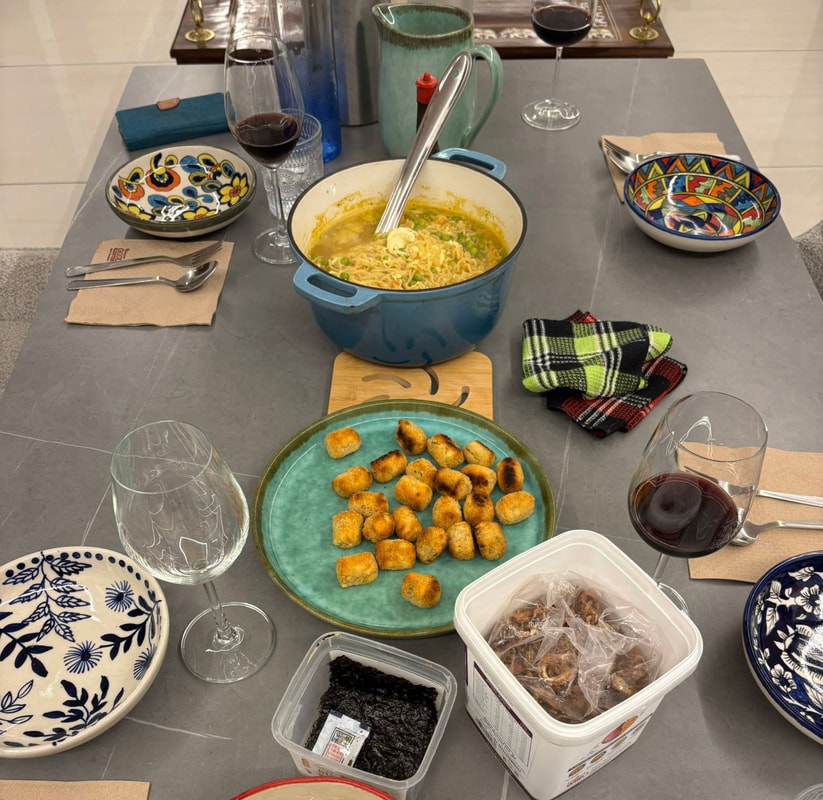 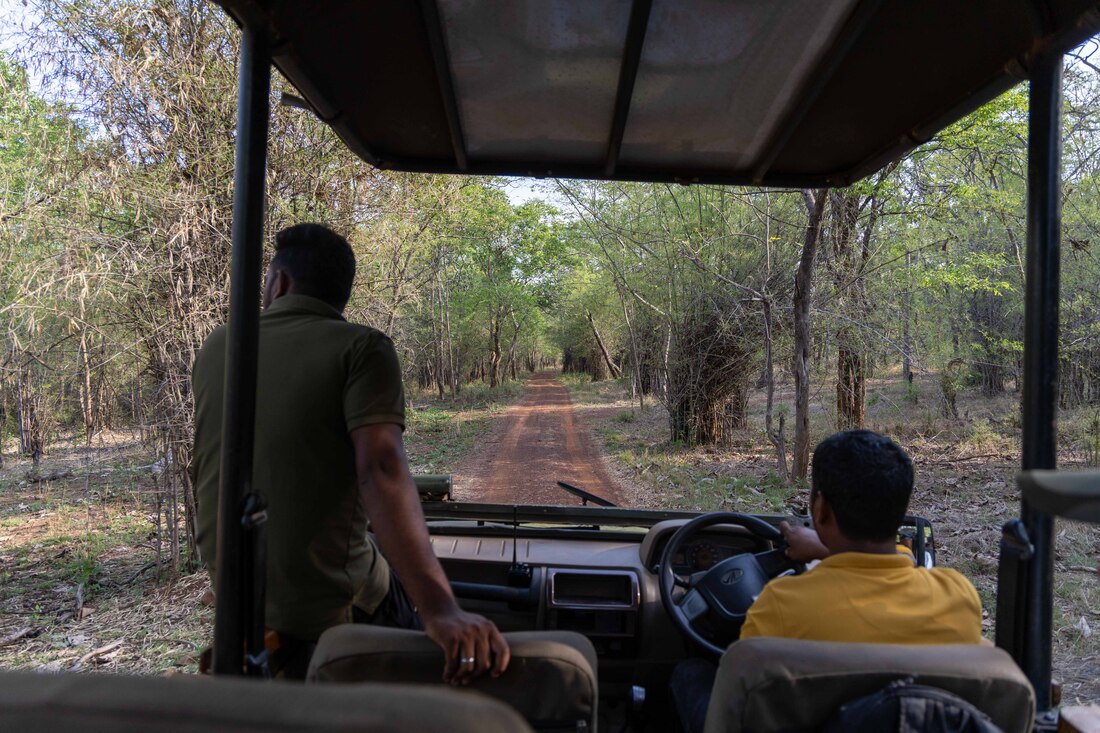 Am Donnerstag hatte Yashi frei, so hat er Freitag ebenfalls freigenommen. Wir haben die Tage ausgenützt, um mit einem Mietauto in der Gegend zu reisen. Unsere Entscheidung für die "Amrabad Tiger Reserve" ist wegen der relativen Nähe (2,5 Stunden Autofahrt) und auch wegen der Hitze gefallen, weil dieser Ort sich in einem riesigen, hügeligen Waldgebiet befindet. In der Tat war es etwas weniger heiss als in Hyderabad (auch dank eines nächtlichen Gewitters in der ersten Nacht). Die zwei Tage in dem Ort haben uns sehr gefallen. Wir haben im "Munnanur Jungle Resort" gebucht. Dieses gehört zu einer Organisation, die Telangana Forest Development Corporation heisst und ökologisch sinnvollen Tourismus unter dem Namen Deccan Woods & Trails anbietet. Wir denken, dass die Organisation staatlich ist. Der Tourismus ist in Telangana noch am Anfang, was auch bedeutet, dass es nicht allzu viele Touristen gibt. Im Angebot, das wir gebucht haben, waren pro Übernachtung eine Safari, eine geführte Wanderung und Vollpension enthalten. Wir haben zwei Nächte dort verbracht und am Ende drei Safaris gemacht - und keine Wildkatze gesehen. Allerdings haben wir Adler und viele andere Vögel, Hirsche, Bären (von weitem), eine Cobra, Wildschweine, tausende Schmetterlinge, usw. gesichtet. Angenehm war auch die gute Luft, mit so vielen Gerüchen gefüllt und wenig Lärm. Es waren zwei entspannte Tage, allerdings mit wenig Schlaf, weil die Aktivitäten sehr früh gestartet sind. Wir haben uns vorgenommen, wieder dahin zu gehen. Es ist ein sehr angenehmer Wochenend-Ausflug. Yashi had the day off on Thursday, so he took Friday off as well. We made the most of these days to explore the area in a hire car. We chose the ‘Amrabad Tiger Reserve’ because of its relative proximity (a 2.5-hour drive) and also because of the heat, as this place is situated in a vast, hilly forest area. In fact, it was slightly cooler than in Hyderabad (thanks in part to a thunderstorm on the first night). We really enjoyed our two days there. We booked at the 'Munnanur Jungle Resort'. This belongs to an organisation called the Telangana Forest Development Corporation, which offers eco-friendly tourism under the name Deccan Woods & Trails. We think the organisation is state-run. Tourism in Telangana is still in its infancy, which also means there aren’t too many tourists. The package we booked included one safari, one guided hike and full board per night. We spent two nights there and ended up going on three safaris – and didn’t see any wildcat. However, we did spot eagles and many other birds, deer, bears (from a distance), a cobra, wild boars, thousands of butterflies, and so on. The fresh air was also lovely, filled with so many scents and very little noise. It was a relaxing couple of days, though we didn’t get much sleep as the activities started very early. We’ve decided to go back there. It makes for a very pleasant weekend getaway. Translated with DeepL.com (free version) Jeudi, Yashi était en congé, il a donc également pris son vendredi. Nous avons profité de ces journées pour parcourir la région en voiture de location. Nous avons choisi la « Amrabad Tiger Reserve » en raison de sa proximité relative (2 h 30 de route) et aussi à cause de la chaleur, car cet endroit se trouve dans une immense zone forestière vallonnée. En effet, il faisait un peu moins chaud qu'à Hyderabad (grâce aussi à un orage nocturne la première nuit). Nous avons beaucoup apprécié ces deux jours passés sur place. Nous avions réservé au « Munnanur Jungle Resort ». Celui-ci appartient à une organisation appelée Telangana Forest Development Corporation, qui propose un tourisme respectueux de l’environnement sous le nom de Deccan Woods & Trails. Nous pensons que cette organisation est publique. Le tourisme en est encore à ses débuts au Telangana, ce qui signifie également qu’il n’y a pas trop de touristes. L'offre que nous avons réservée comprenait un safari, une randonnée guidée et la pension complète par nuit. Nous y avons passé deux nuits et avons finalement fait trois safaris – sans apercevoir de chat sauvage. Nous avons toutefois observé des aigles et de nombreux autres oiseaux, des cerfs, des ours (de loin), un cobra, des sangliers, des milliers de papillons, etc. L'air pur, riche en parfums et peu bruyant, était également très agréable. Ce furent deux jours de détente, même si nous avons peu dormi car les activités commençaient très tôt. Nous avons décidé d'y retourner. C'est une escapade très agréable pour le week-end. Traduit avec DeepL.com (version gratuite) Es war so viel los, dass die Zeit und Energie fürs Blogschreiben nicht mehr gereicht hat. Vielleicht liegt es aber auch an der Hitze, dass einfach weniger Energie zur Verfügung steht. Oder: unser Leben hier fühlt sich mehr nach Alltag an, und wir haben das Gefühl, dass es gar nicht so viel zu berichten gibt. Letzteres stimmt natürlich nicht ganz. Wir waren mit unseren musikalischen Freund:innen eine knappe Woche in Goa. Dort haben wir v.a. Ferien gemacht, was spannend war, weil die allermeisten Inder:innen sind und wir so Zeit hatten, viel zu diskutieren und voneinander zu lernen. Der Grund nach Goa zu reisen war ein kleines Festival (ein Abend) zum International Jazz Day, an dem wir auftreten durften. Wir haben ca. 20 Minuten gespielt, draussen in einem öffentlichen Park. Am Samstag sind wir nach Hause gereist und hatten gleich an dem Abend einen grösseren Auftritt in einem Club. Dort haben wir dann gut 2 ½ Stunden gespielt. In der Zeit danach war viel Freiwilligenarbeit in einer Schule auf dem Programm: Wir haben ein "Summer Camp" durchgeführt, d.h. wir haben Kinder von 3 bis 12 Jahren jeden Vormittag für zwei Stunden unterhalten. Es wurde Yoga, Basteln, Spielen, Lesen, Malen, etc. angeboten. Wir haben auch einen Musikmorgen durchgeführt, mit fünf meiner Musiker-Freund:innen. Das Summer Camp hat super Spass gemacht, war aber auch recht anstrengend. Jetzt ist es wieder etwas ruhiger. Unser (v.a. mein) soziales Leben ist lebendig, was sehr schön ist. There was so much going on that we didn’t have the time or energy left to write blog posts. But perhaps it’s also down to the heat, which leaves us with less energy. Or maybe it’s just that life here feels more like everyday life, and we get the feeling there isn’t really that much to report. The latter isn’t entirely true, of course. We spent just under a week in Goa with our musician friends. We were mainly on holiday there, which was stimulating because the majority of these friends are Indian, so we had time to chat and get to know about many things. The reason for travelling to Goa was a small festival (one evening) to mark the International Jazz Day, where we were invited to perform. We played for about 20 minutes, outdoors in a public park. On Saturday we travelled home and had a bigger gig in a club that very same evening. We played there for a good two and a half hours. After that, the programme involved a lot of voluntary work at a school: we ran a ‘summer camp’, which meant we entertained children aged 3 to 12 for two hours every morning. We offered yoga, crafts, games, reading, painting, etc. We also organised a music morning with five of my musician friends. The summer camp was great fun, but it was also quite exhausting. Things have calmed down a bit now. Our (especially my) social life is lively, which is lovely. Il y avait tellement à faire que je n’ai plus eu le temps ni l’énergie d’écrire sur le blog. Mais c’est peut-être aussi à cause de la chaleur que j’ai moins d’énergie. Ou alors : notre vie ici ressemble davantage à un quotidien, et on a l’impression qu’il n’y a pas grand-chose à raconter.
Ce dernier point n’est bien sûr pas tout à fait vrai. Nous avons passé un peu moins d’une semaine à Goa avec nos ami(e)s musicien(ne)s. Là-bas, nous avons surtout passé des vacances, ce qui était chouette, car la majorité de ces ami(e)s sont indien(ne)s et nous avons ainsi eu le temps de discuter et d'échanger plein de choses. La raison de notre voyage à Goa était un petit festival (une soirée) organisé à l’occasion de la Journée internationale du jazz, lors duquel nous avons pu nous produire. Nous avons joué environ 20 minutes, en plein air dans un parc public. Le samedi, nous sommes rentrés et avons donné le soir même un concert plus long dans un club. Nous y avons joué pendant deux bonnes heures et demie. Par la suite, j'ai fait beaucoup de bénévolat dans une école : nous avons organisé un « summer camp », c’est-à-dire que nous avons diverti des enfants de 3 à 12 ans chaque matin pendant deux heures. Au programme : yoga, bricolage, jeux, lecture, peinture, etc. Nous avons également organisé une matinée musicale avec cinq de mes ami(e)s musicien(ne)s. Le camp d’été était super sympa, mais aussi assez fatigant. Maintenant, c’est un peu plus calme. Notre vie sociale (surtout la mienne) est bien remplie, ce qui est très agréable. |