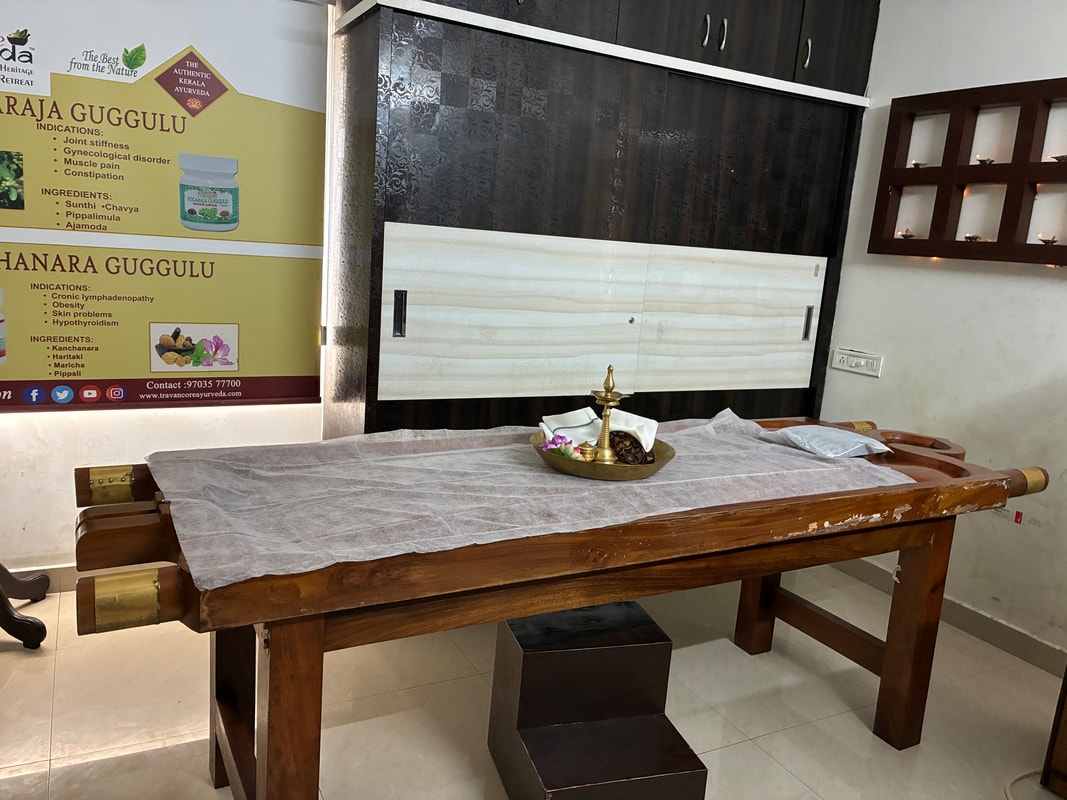
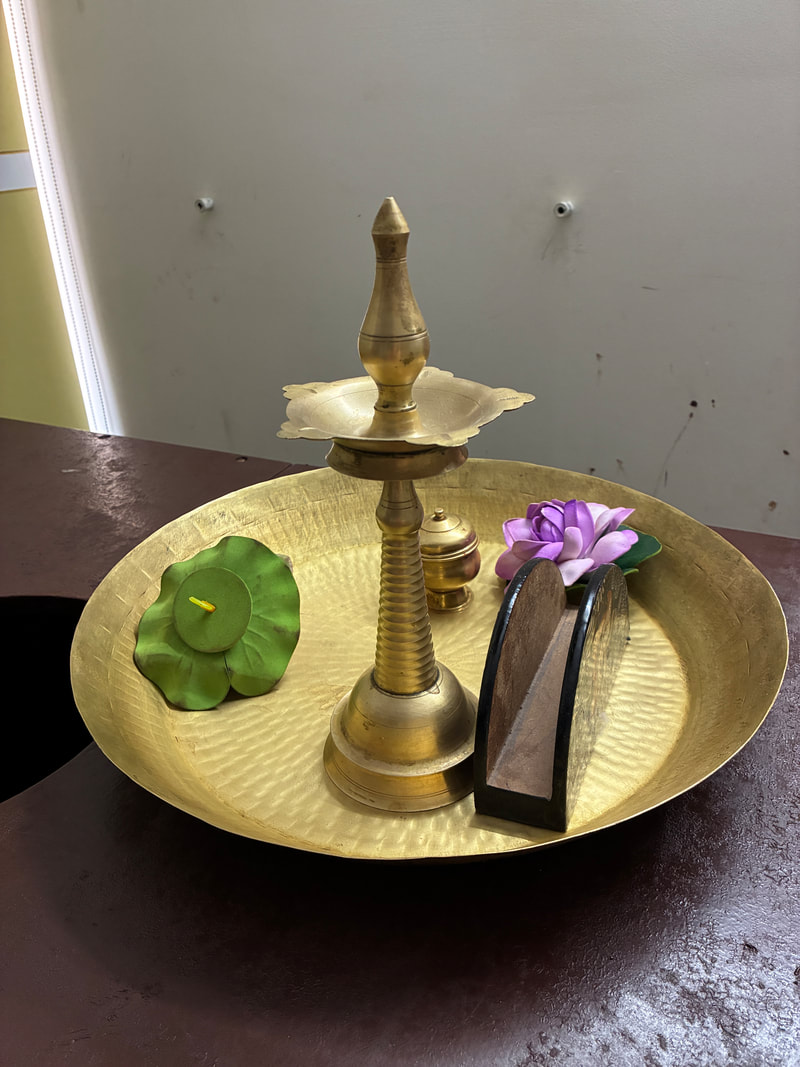
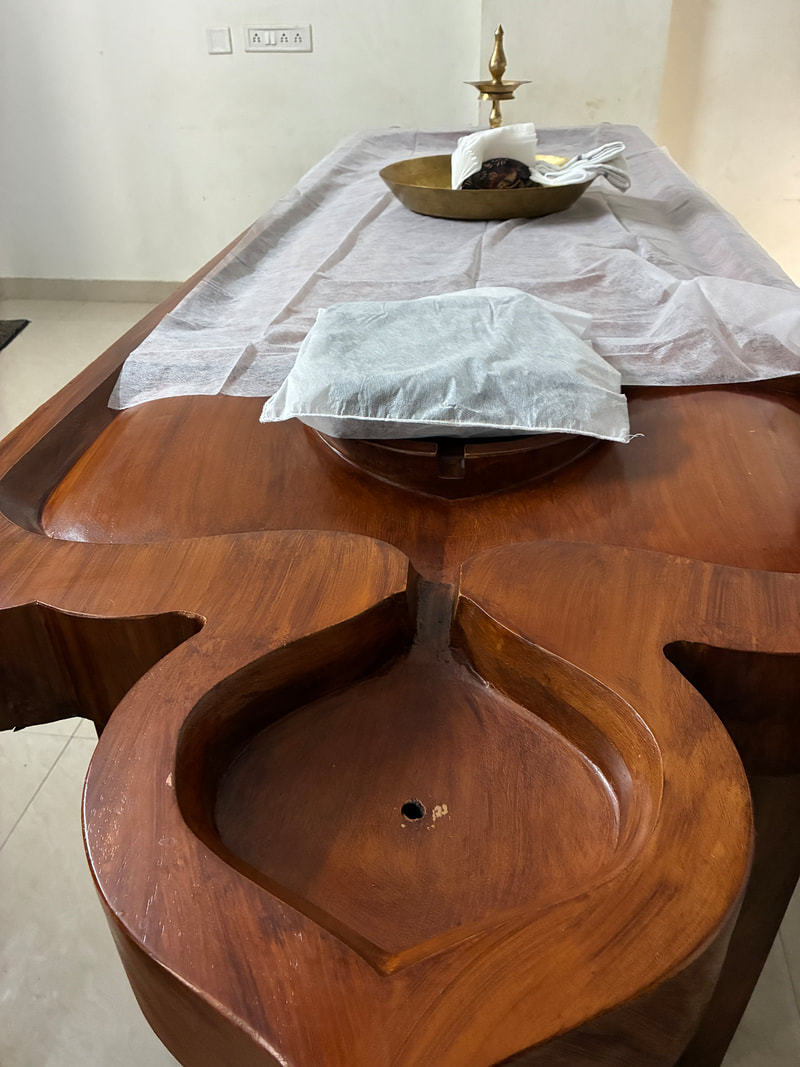
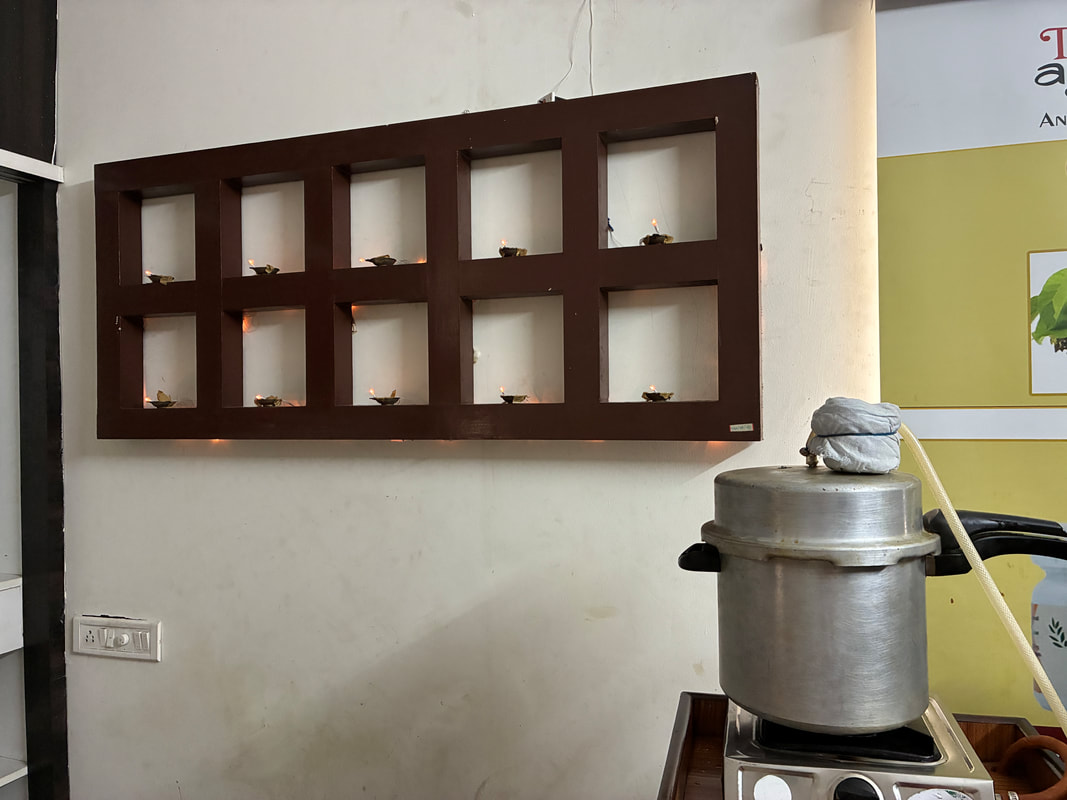
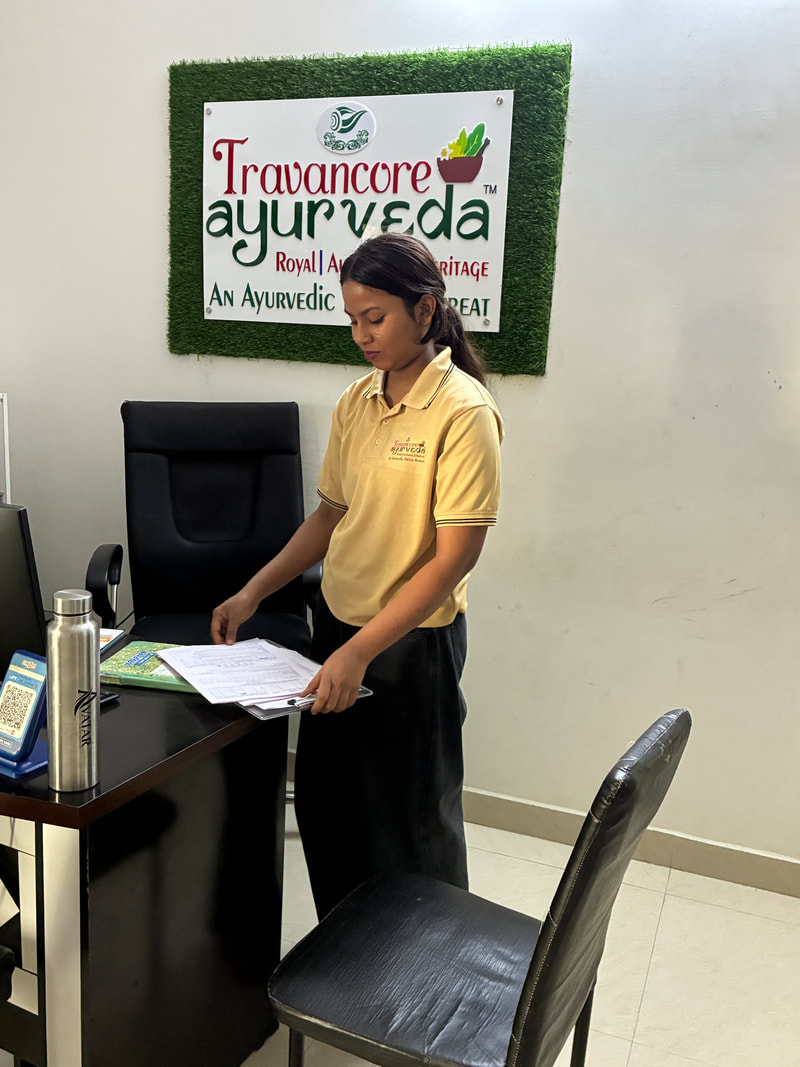
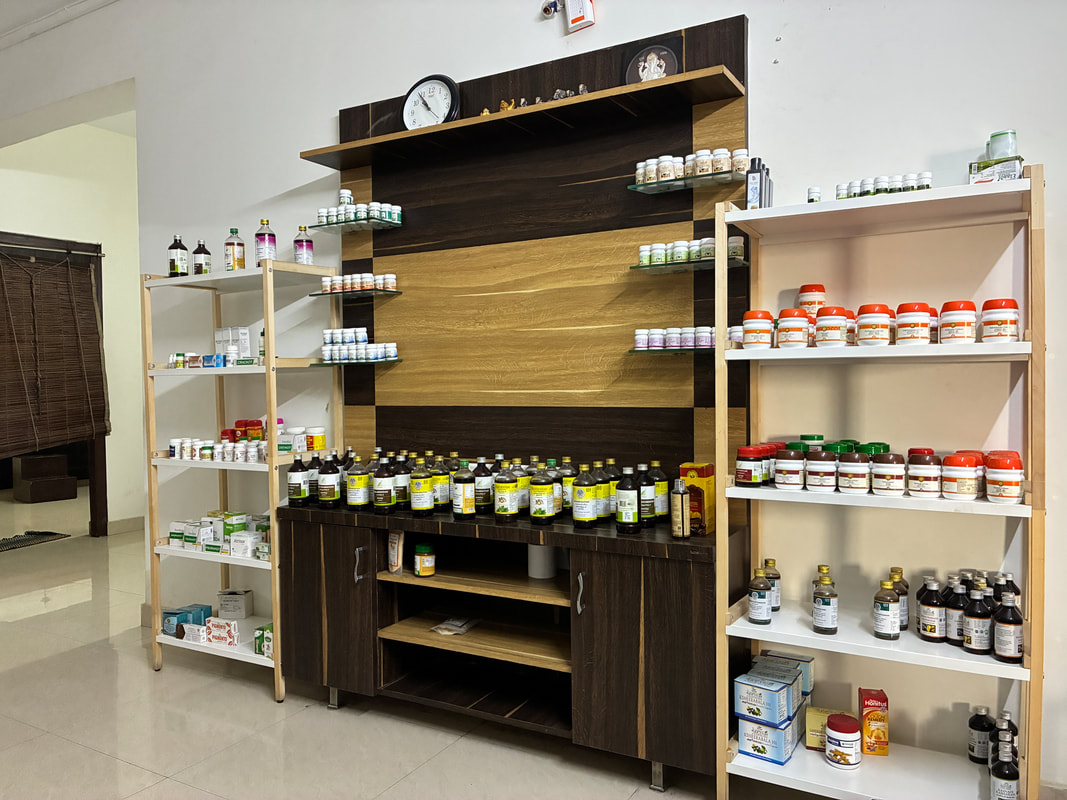
 Vor ein paar Wochen habe ich entschieden, meine Rückenschmerzen mit einer Ayurvedabehandlung entgegen zu wirken. Der in westlicher Medizin geschulte Rückenspezialist, den ich zweimal gesehen habe, hat mir beide Male gesagt, dass meine Schmerzen mit den Übungen vorbei gehen werden. Das ist seit Monaten nicht der Fall. Natürlich sind die Schmerzen nicht mehr akut, aber sie verschwinden einfach nicht. Da wir in Indien leben und ich eigentlich Zeit habe, lasse ich mich auf das Ayurveda-Abenteuer ein. Die Theorie lasse ich hier weg, ich habe mich nicht genug damit befasst. Für diejenigen, die sich auskennen: meine Diagnose ist "vata vyadhi". Ayurveda kümmert sich immer um den Menschen als ganzes, also in meinem Fall nicht nur um den Rücken, auch wenn dieser speziell im Fokus steht. Die Doktorin hat mir 23 Behandlungen verschrieben und ein paar rein pflanzliche Produkte. Die Behandlungen bestehen immer aus einer Massage und etwas anderem. Ich erhalte jeweils mehrmals (meistens 3 oder 5 Mal) dieselbe Behandlung, die etwa eine Stunde dauert. Das alles ist für mich Westlerin sehr speziell und eindrücklich: Ich liege nackt auf dem Schragen und werden massiert, mit Öl beträufelt oder mit Stoffpäckchen, in denen Kräuter eingepackt sind, gestempelt. Es sind kraftvolle Massagen und alle Therapien werden mir so heiss wie ich ertrage verabreicht. Als Frau werde ich ausschliesslich von Frauen behandelt. Dazu kommt eine Diät, die ich bisher nicht konsequent genug eingehalten habe (sagt die Doktorin). Diese ist sehr einschränkend - aber sie dauert ja nur ein paar Wochen. Ich darf auch keinen Sport machen und mich nicht zu sehr anstrengen ("don't strain yourself, Madam!"), das habe ich aber erst vorgestern herausgefunden. Mein Rücken hatte deshalb Doppelbelastung: Therapie und Sport (oder einfach Rückenübungen). Deshalb ging es mir auch nicht so gut. Ich habe meine Lektion gelernt und heute geht es mir wieder besser. Nächste Woche kommen dann fünf noch speziellere Behandlungen, Basti oder Vasti genannt. Das sind, grob gesagt, Einläufe, die mit aromatischem Öl gemacht werden und v.a. bei chronischen Schmerzen eingesetzt werden. In dieser Zeit muss ich mich strikt an die Diät halten und genug Ruhezeit einplanen, also immer flexibel bleiben. Ich bin gespannt - und werde versuchen, mich nicht zu überanstrengen 😉. A few weeks ago, I decided to treat my back pain with Ayurvedic therapy. The back specialist trained in Western medicine, whom I saw twice, told me both times that my pain would go away with the exercises. That has not been the case for months. Of course, the pain is no longer acute, but it just won't go away. Since we live in India and I actually have time, I am embarking on the Ayurveda adventure. I will leave out the theory here, as I have not studied it enough. For those who are familiar with it: my diagnosis is ‘vata vyadhi’. Ayurveda always treats the person as a whole, so in my case not only my back, even though that is the specific focus. The doctor has prescribed 23 treatments and a few purely herbal products. The treatments always consist of a massage and something else. I receive the same treatment several times (usually 3 or 5 times), which lasts about an hour. As a Westerner, I find all of this very special and impressive: I lie naked on the massage table and am massaged, drizzled with oil or stamped with cloth pouches filled with herbs. The massages are powerful and all therapies are administered as hot as I can tolerate. As a woman, I am treated exclusively by women. On top of that, there's a diet that I haven't been following consistently enough (according to the doctor). It's very restrictive – but it only lasts a few weeks. I'm also not allowed to do any sport or exert myself too much (‘don't strain yourself, Madam!’), but I only found that out the day before yesterday. My back was therefore under double strain: therapy and exercise (or simply back exercises). That's why I wasn't feeling so well. I've learned my lesson and today I'm feeling better again. Next week, I will have five even more specialised treatments called Basti or Vasti. Roughly speaking, these are enemas made with aromatic oil and are mainly used for chronic pain. During this time, I have to stick strictly to the diet and plan enough rest time, so I always have to remain flexible. I am excited – and will try not to overexert myself 😉. Il y a quelques semaines, j'ai décidé de traiter mes maux de dos avec un traitement ayurvédique. Le spécialiste du dos formé à la médecine occidentale, que j'ai consulté à deux reprises, m'a dit à chaque fois que mes douleurs disparaîtraient grâce aux exercices. Ce n'est pas le cas depuis des mois. Bien sûr, les douleurs ne sont plus aiguës, mais elles ne disparaissent tout simplement pas. Comme nous vivons en Inde et que j'ai le temps, je me lance dans l'aventure ayurvédique.
Je ne vais pas entrer dans les détails théoriques, car je ne m'y suis pas suffisamment intéressée. Pour ceux qui s'y connaissent : mon diagnostic est « vata vyadhi ». L'ayurvéda s'occupe toujours de la personne dans son ensemble, donc dans mon cas, pas seulement du dos, même si celui-ci est particulièrement concerné. Le docteur m'a prescrit 23 traitements et quelques produits purement végétaux. Les traitements consistent toujours en un massage et autre chose. Je reçois plusieurs fois (généralement 3 ou 5 fois) le même traitement, qui dure environ une heure. Tout cela est très particulier et impressionnant pour moi qui viens de l'Occident : je suis allongée nue sur la table de massage et je suis massée, aspergée d'huile ou tamponnée avec des petits sachets remplis d'herbes. Ce sont des massages puissants et toutes les thérapies me sont administrées aussi chaudes que je peux le supporter. En tant que femme, je suis traitée exclusivement par des femmes. À cela s'ajoute un régime alimentaire que je n'ai pas suivi de manière suffisamment rigoureuse jusqu'à présent (selon le médecin). Ce régime est très restrictif, mais il ne dure que quelques semaines. Je ne dois pas non plus faire de sport ni trop me fatiguer (« don't strain yourself, Madam ! »), mais je ne l'ai appris qu'avant-hier. Mon dos a donc subi une double charge : la thérapie et le sport (ou simplement les exercices pour le dos). C'est pourquoi je ne me sentais pas très bien. J'ai retenu la leçon et aujourd'hui, je me sens mieux.La semaine prochaine, je vais suivre cinq traitements encore plus spécifiques, appelés Basti ou Vasti. Il s'agit, en gros, de lavements à base d'huiles aromatiques, utilisés principalement pour les douleurs chroniques. Pendant cette période, je dois suivre strictement mon régime alimentaire et prévoir suffisamment de temps de repos, donc rester flexible. Je suis impatiente et je vais essayer de ne pas me surmener 😉. Traduit avec DeepL.com (version gratuite)
0 Comments
Im ersten Jahr war mein Schweizer Führerschein in Indien gültig. Danach braucht es einen indischen. Deshalb habe ich mich im letzten September damit befasst, wie ich zu einem indischen Führerausweis komme. Über unseren Fahrer erhielt ich den Kontakt zu einem sogenannten „Agent“, er empfahl mir jedoch, den gesamten Prozess über eine Fahrschule abzuwickeln. Meine Hoffnung war jedoch, dass ich meinen Schweizer Führerschein einfach umschreiben lassen kann – ohne Fahrschule und ohne Prüfung, darum wählte ich den Weg über den Agenten. Dieser meinte zunächst, ich solle mit dem Antrag warten, da unser Visum bald erneuert werde. Nach der Verlängerung verwies er mich an einen weiteren RTO-Agenten. Auch ihm erklärte ich meinen Wunsch nach einer direkten Umschreibung. Bei einem Besuch in seinem Büro gingen wir gemeinsam zum RTO Office, dem zuständigen Strassenverkehrsamt. Dort wurde mir mitgeteilt, dass ich zunächst einen Lernfahrausweis beantragen müsse und danach den regulären Prozess durchlaufen müsse. Online fand ich tatsächlich eine Option, einen indischen Führerausweis basierend auf einem gültigen ausländischen Dokument zu beantragen. Allerdings war unser zuständiges RTO in der Auswahlliste nicht verfügbar. Ich vertagte das Thema zunächst. Ein späterer Versuch war dann erfolgreich: Ich konnte die Unterlagen hochladen, die Gebühren bezahlen und erhielt einen Termin im RTO Office. Die Ernüchterung folgte vor Ort. Diese Option gilt offenbar nur für indische Staatsangehörige, die ihren Führerschein im Ausland erworben haben und nach Indien zurückkehren. Also zurück auf Anfang – Antrag auf Lernfahrausweis. Mit einigem Aufwand reichte ich die Unterlagen ein und erschien erneut beim RTO. Am Schalter hiess es dann: „Sie können jetzt zur theoretischen Prüfung.“ Das kam unerwartet. Zum Glück musste ich etwas warten und konnte mich in dieser Zeit kurz informieren. 12 von 20 Fragen mussten korrekt beantwortet werden. Das habe ich geschafft. Danach begann die Wartefrist von 30 Tagen bis zur praktischen Prüfung. Da wir weder ein Auto noch ein Motorrad besitzen und ich die Fahrerlaubnis für beides beantragen wollte, musste ich eine Lösung finden. Eine Möglichkeit wäre gewesen, über Bekannte Fahrzeuge zu organisieren. Am Ende entschied ich mich jedoch für eine Fahrschule. Bei der ersten Fahrschule war die Verständigung auf Englisch schwierig. Auf dem Heimweg kam ich zufällig an einer anderen vorbei, die in unserem Apartment-Chat empfohlen worden war. Dort erhielt ich kompetente Unterstützung. Gestern fuhr ich mit dem Fahrlehrer zum Prüfungszentrum. Die Prüfung findet nicht im öffentlichen Strassenverkehr statt, sondern auf einem Testparcours (eine 8 und ein H). Ich konnte mir den Ablauf vorab anschauen. Heute Vormittag absolvierte ich die Prüfung – und bestand. Der Führerausweis ist bereits online verfügbar; die physische Karte erhalte ich in den nächsten Tagen. Rückblickend muss ich sagen: Hätte ich von Anfang an auf unseren Fahrer gehört und den Weg direkt über eine Fahrschule gewählt, wäre der gesamte Prozess deutlich einfacher und schneller gewesen. During the first year, my Swiss driving license was valid in India. After that, an Indian license is required. For this reason, last September I started to look into how to obtain an Indian driving license. Through our driver, I was put in contact with a so-called “agent”, however he recommended that I complete the entire process through a driving school. My hope was to simply convert my Swiss license without attending a driving school and without taking a test, which is why I chose to go through the agent. He initially advised me to wait with the application, as our visa was about to be renewed. After the extension, he referred me to another RTO agent. I explained to him as well that I was looking for a direct conversion. During a visit to his office, we went together to the RTO Office, the responsible road traffic authority. There, I was informed that I first had to apply for a learner’s license and then go through the standard process. Online, I did in fact find an option to apply for an Indian driving license based on a valid foreign license. However, our responsible RTO was not available in the selection list. I therefore postponed the matter. A later attempt was successful: I was able to upload all documents, pay the fees, and received an appointment at the RTO Office. The disappointment followed on site. Apparently, this option only applies to Indian nationals who obtained their driving license abroad and are returning to India. So it was back to the beginning – applying for a learner’s license. With some effort, I submitted the documents and went again to the RTO. At the counter I was told: “You can now proceed to the theory test.” That came unexpectedly. Fortunately, I had to wait for a while and used the time to inform myself about the process. Twelve out of twenty questions had to be answered correctly. I passed. After that, the 30-day waiting period before the practical test began. As we do not own either a car or a motorcycle and I wanted to apply for both categories, I had to find a solution. One option would have been to organise vehicles through acquaintances. In the end, however, I decided to go with a driving school. At the first driving school, communication in English was difficult. On my way home, I happened to pass another school that had been recommended in our apartment chat. There, I received competent support. Yesterday, I went with the instructor to the test centre. The examination does not take place in public traffic, but on a dedicated test track (an 8 and a H). I was able to familiarise myself with the course in advance. This morning, I took the test – and passed. The driving license is already available online; I will receive the physical card in the coming days. In hindsight, I have to admit: had I listened to our driver from the beginning and chosen the direct route via a driving school, the entire process would have been significantly simpler and faster. Pendant la première année, mon permis de conduire suisse était valable en Inde. Ensuite, un permis indien est nécessaire. C’est pourquoi, en septembre dernier, je me suis renseigné sur la manière d’obtenir un permis de conduire indien.
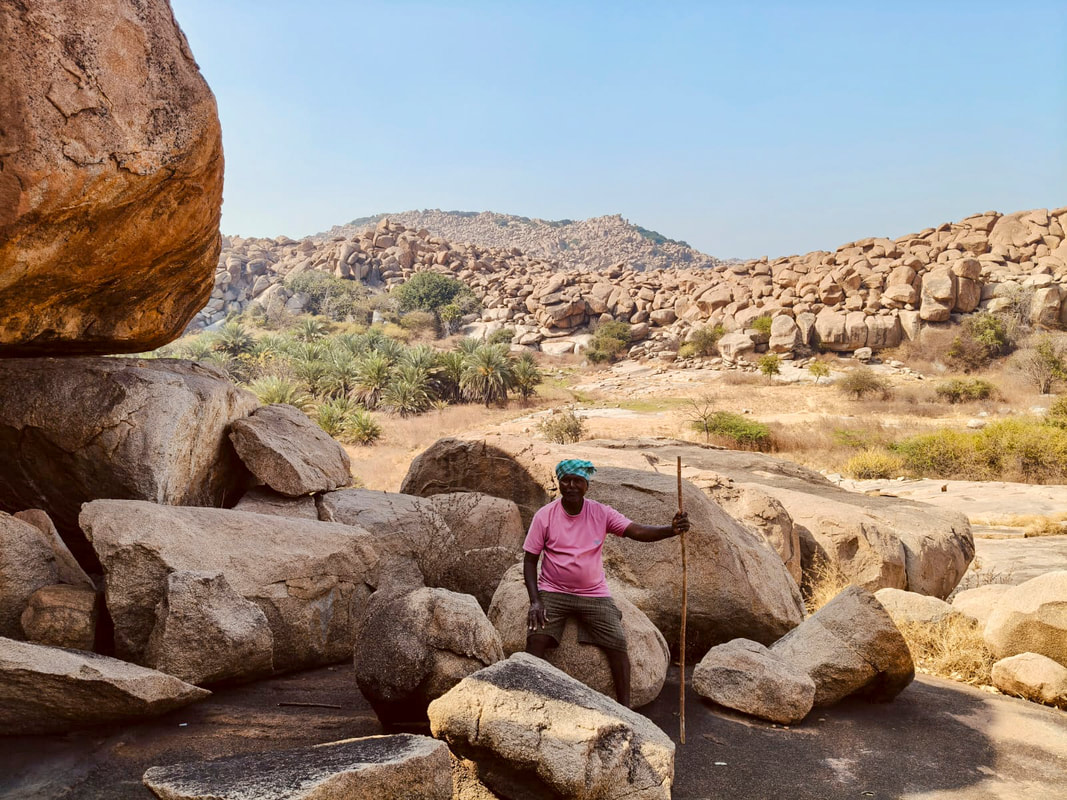
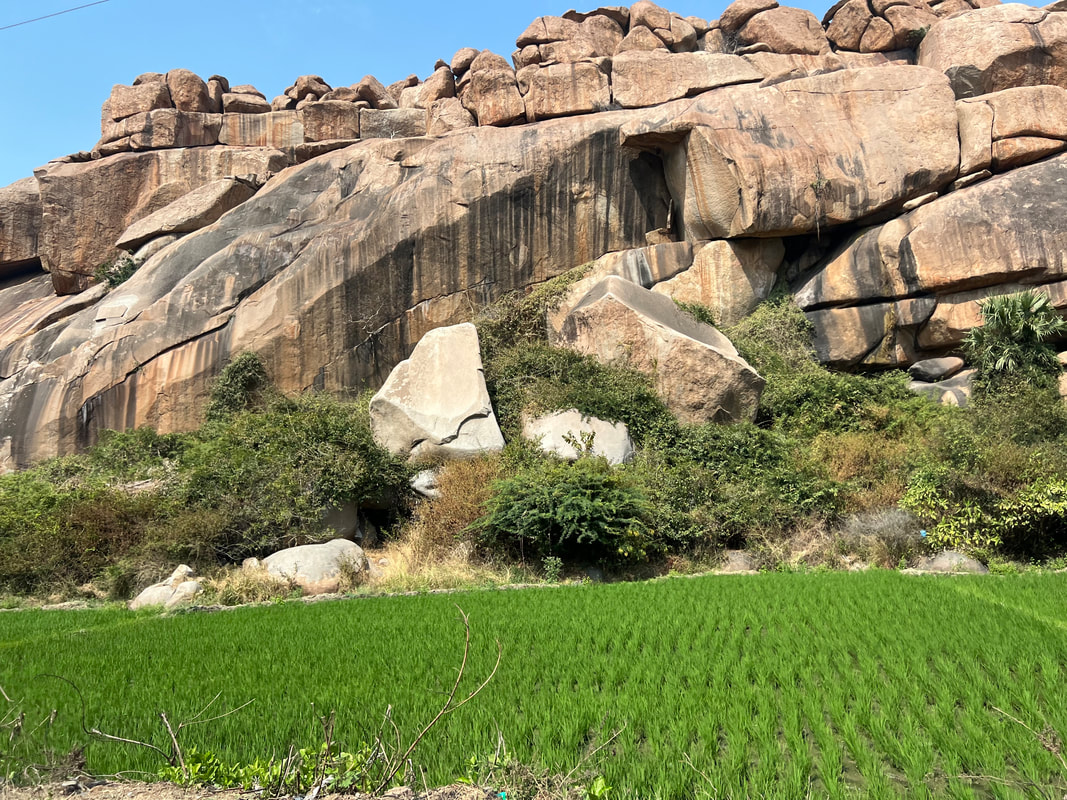
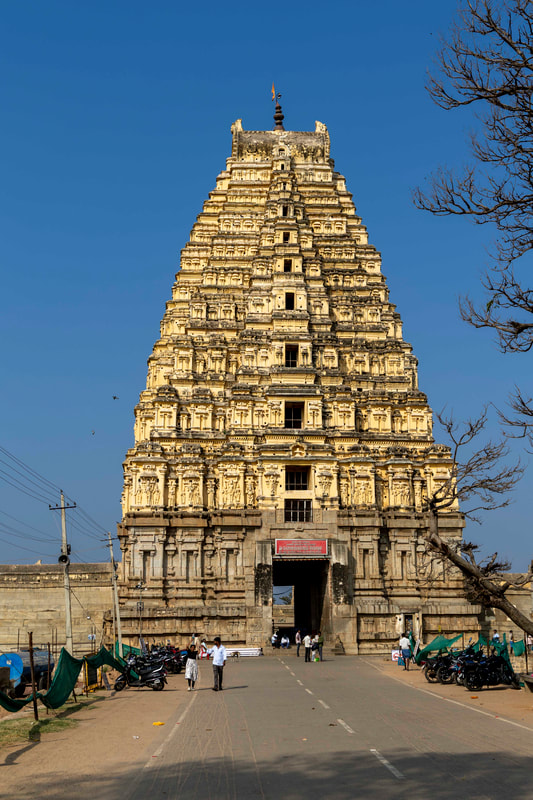
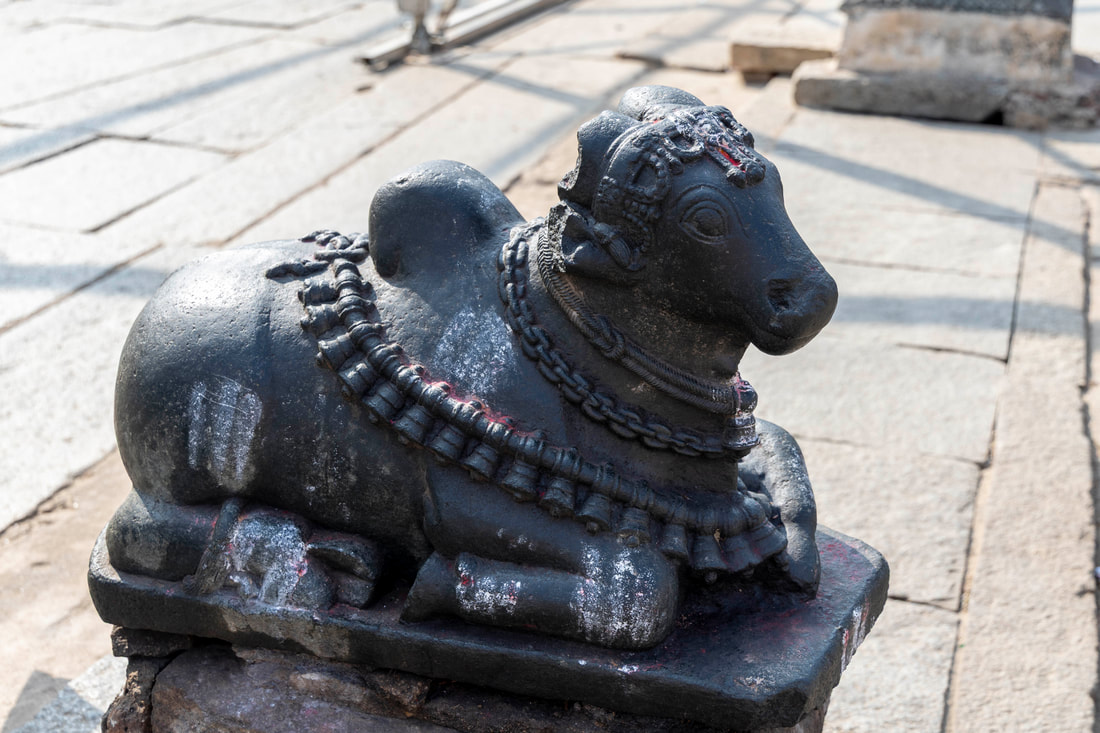
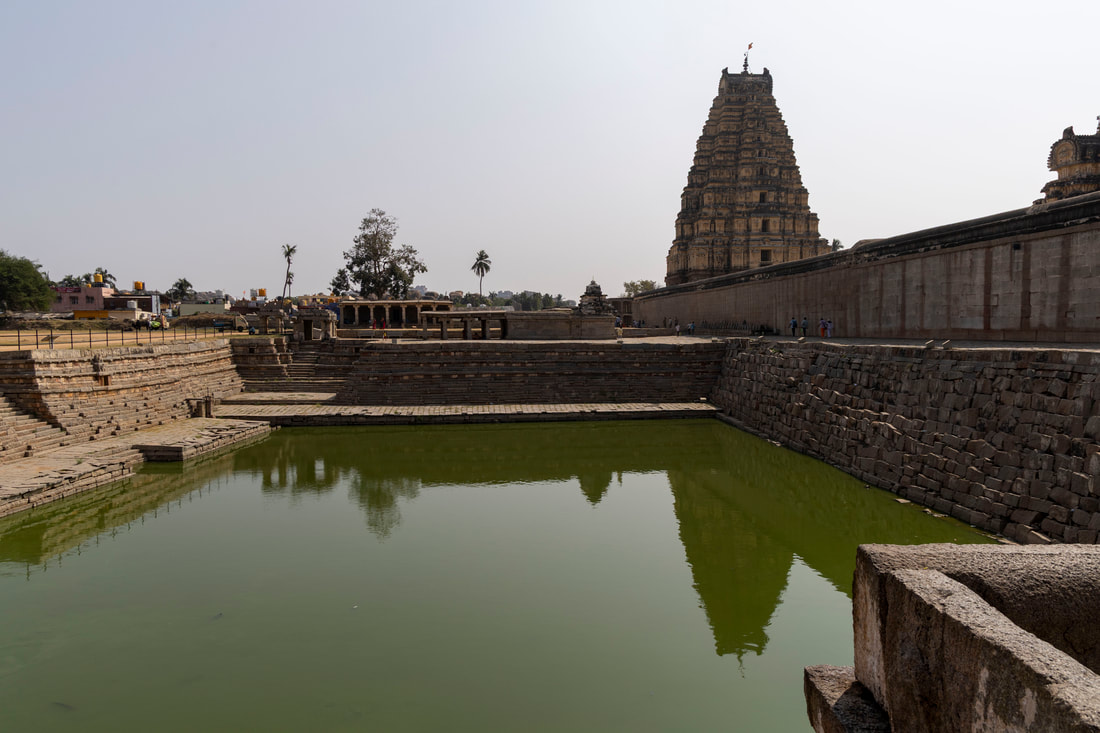
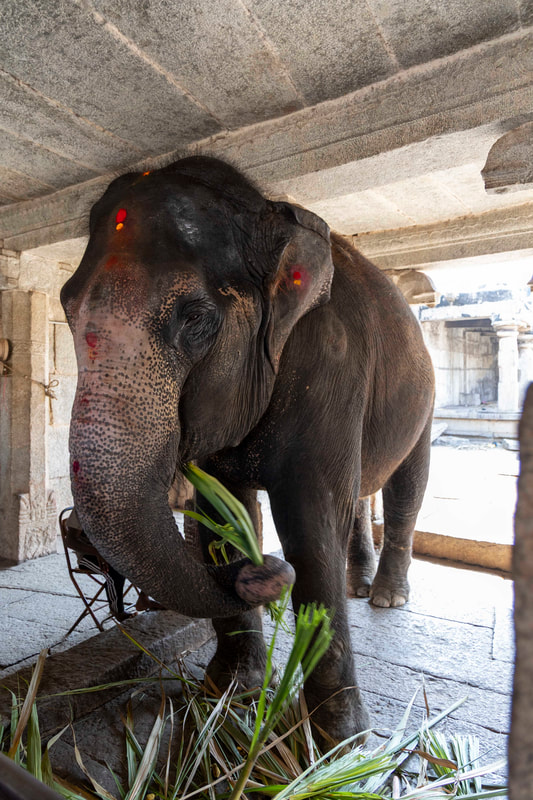
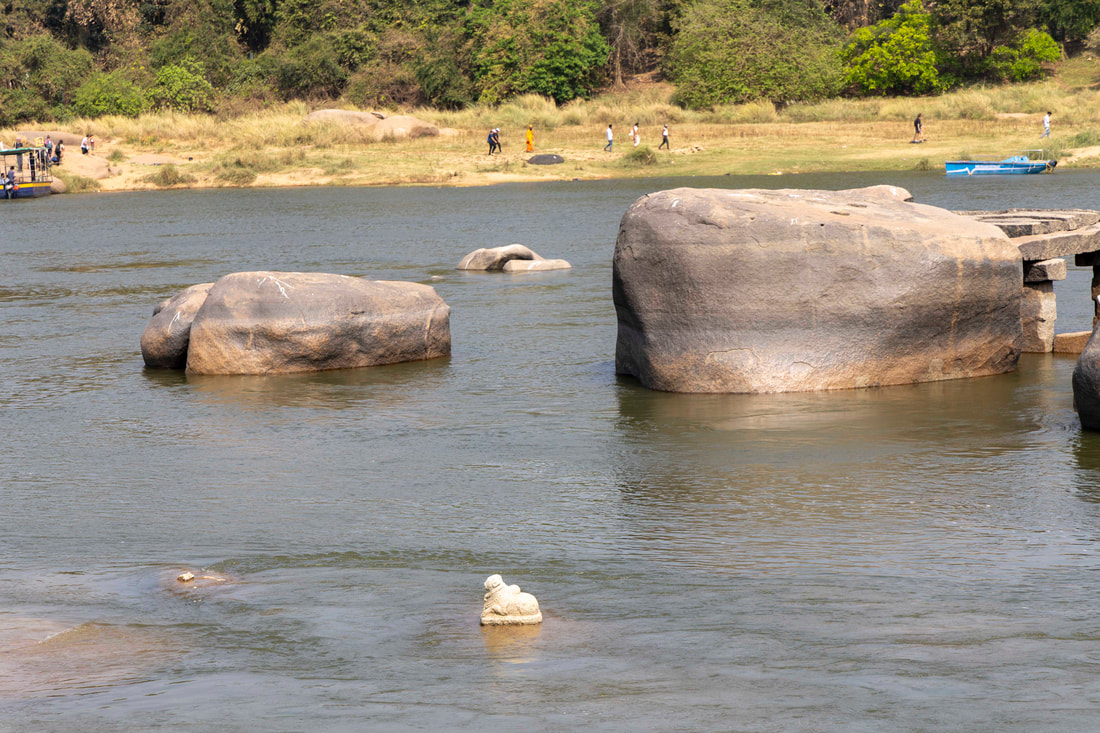
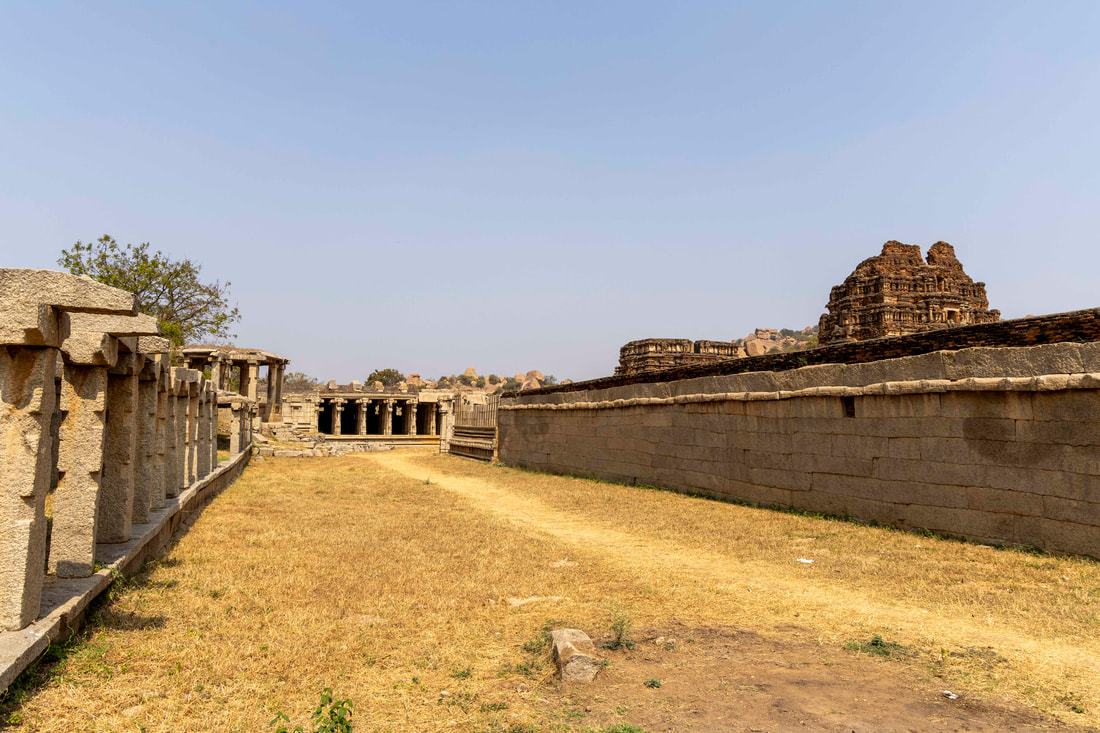
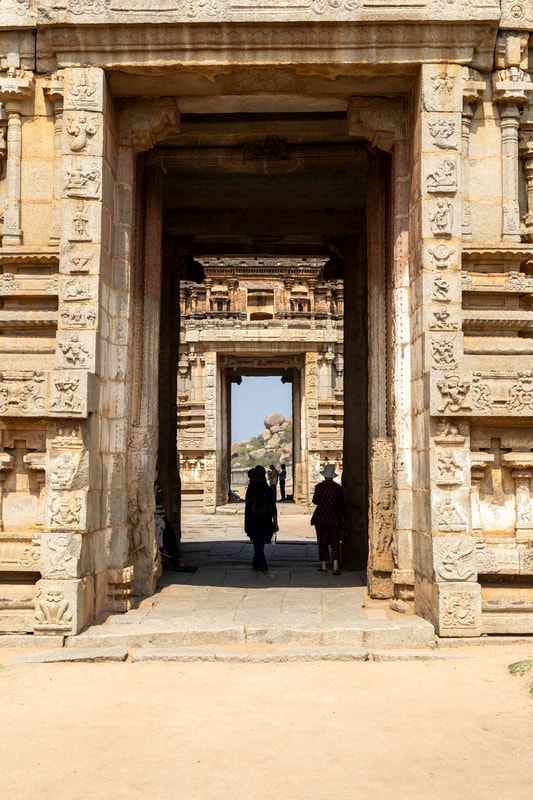
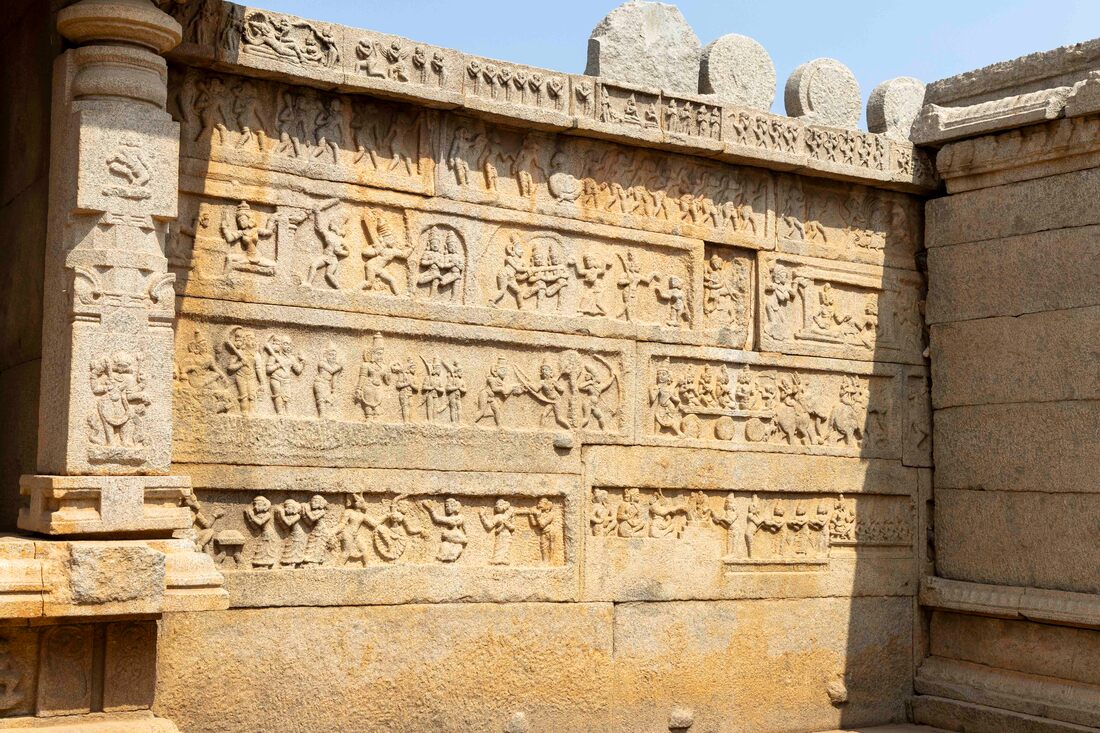
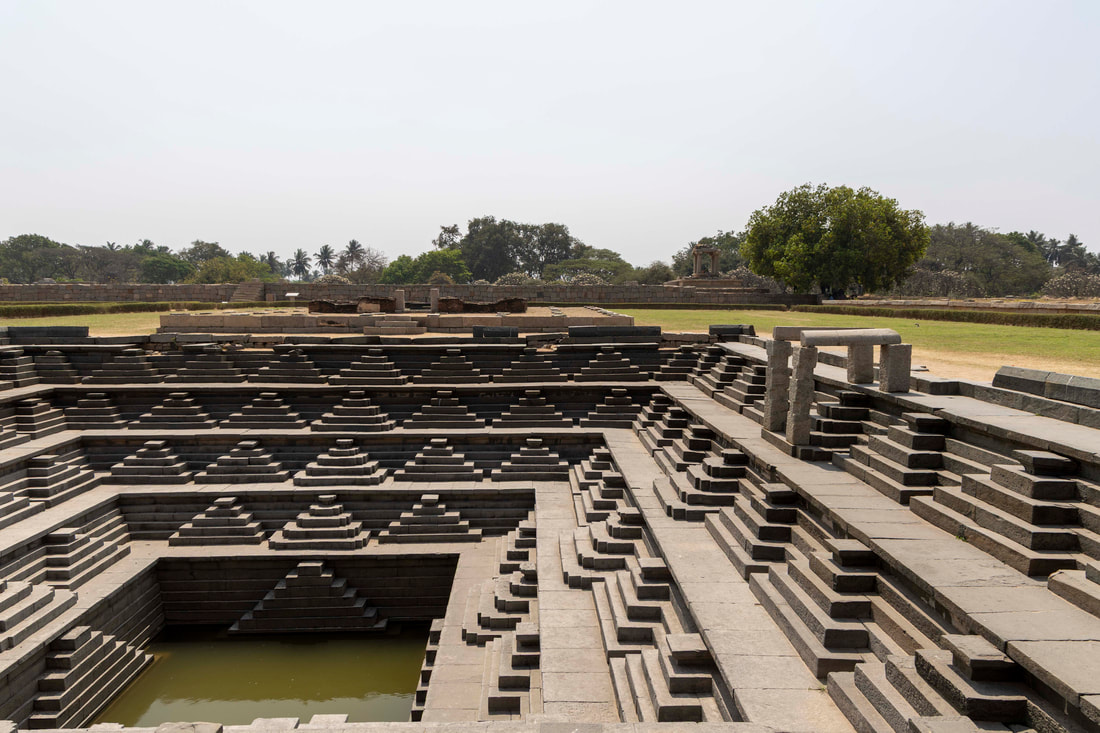
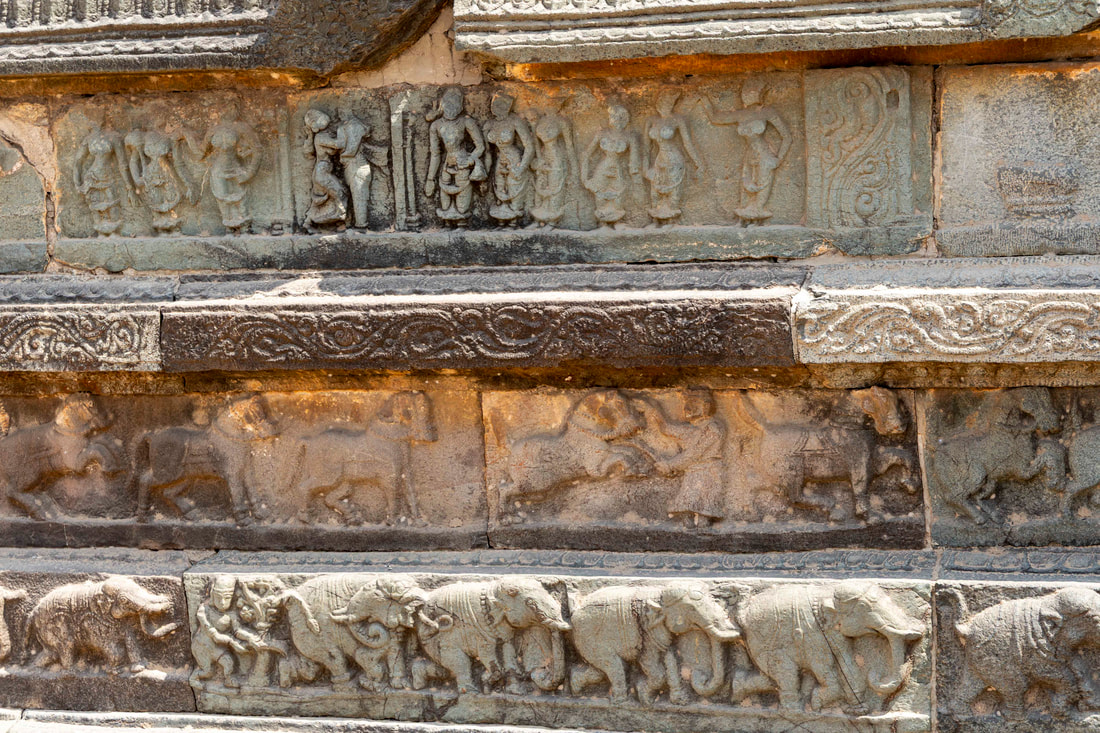
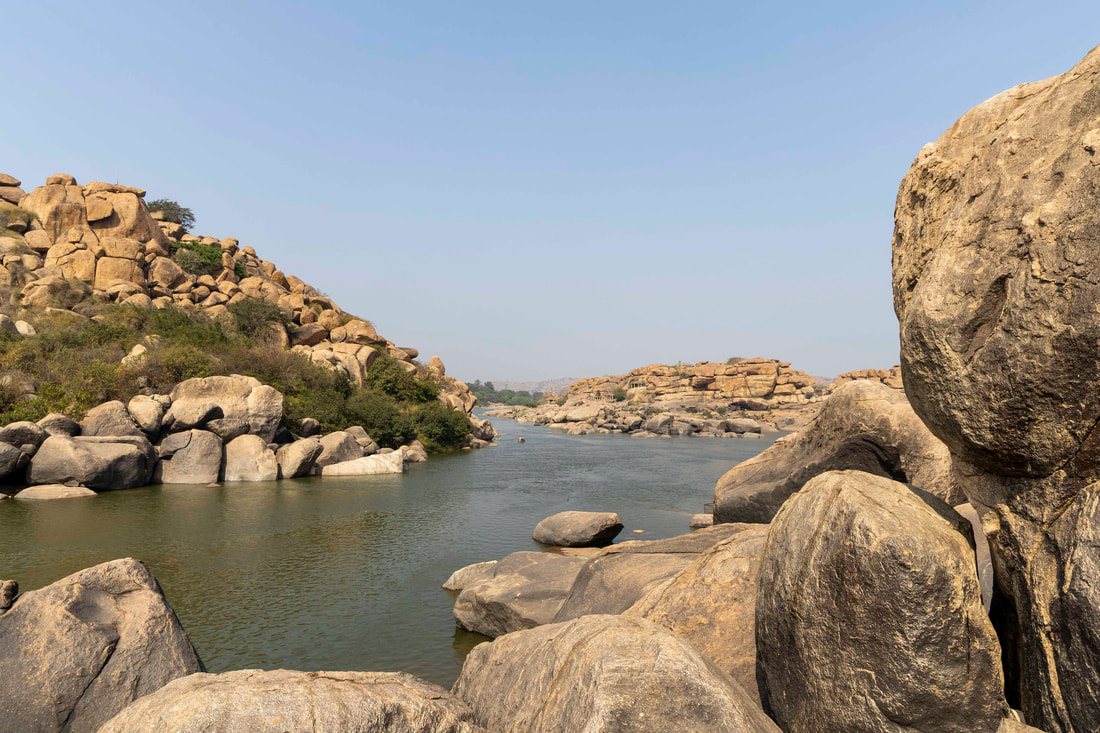
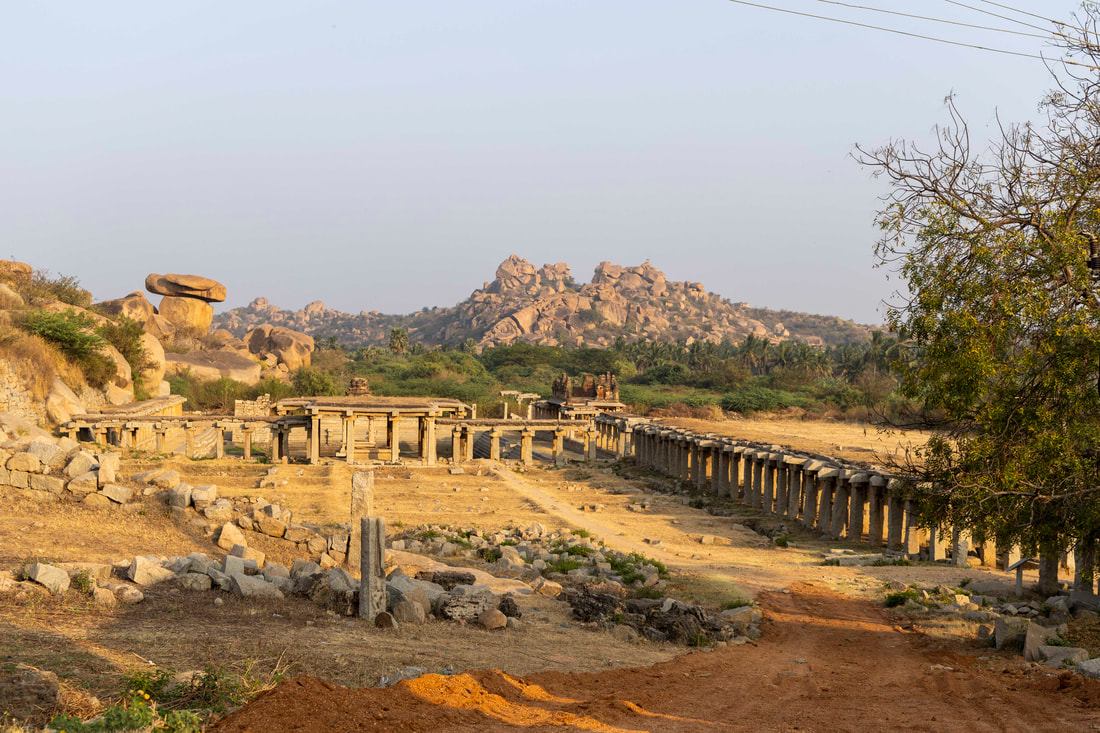
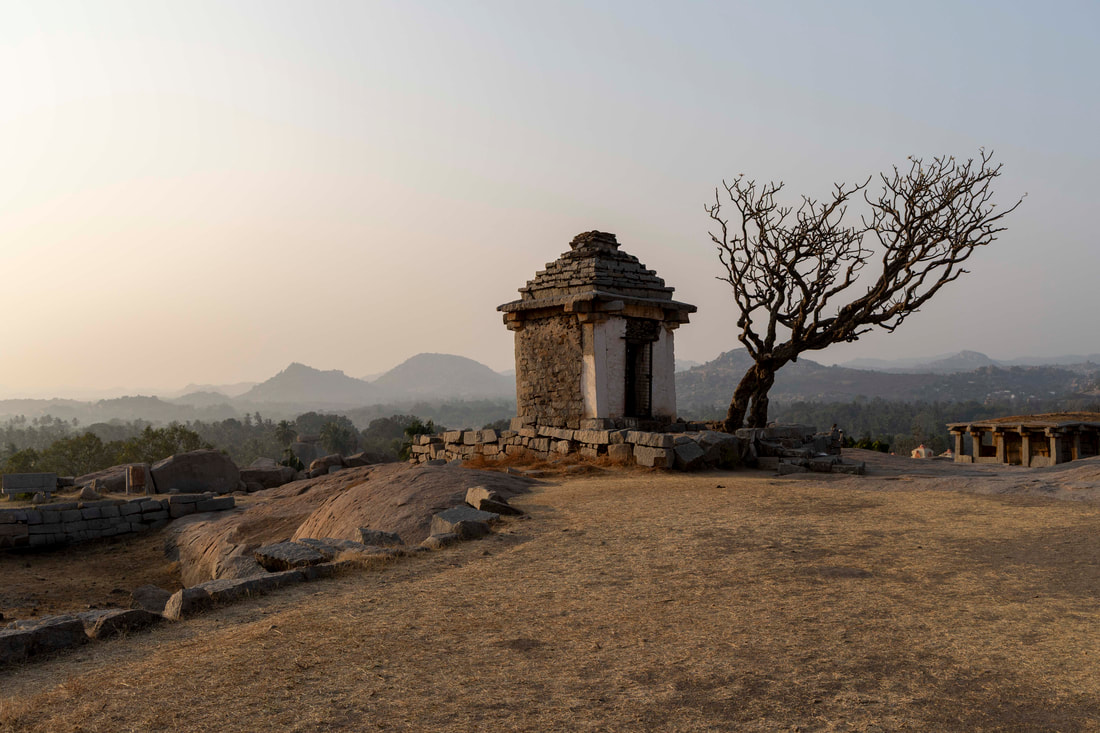
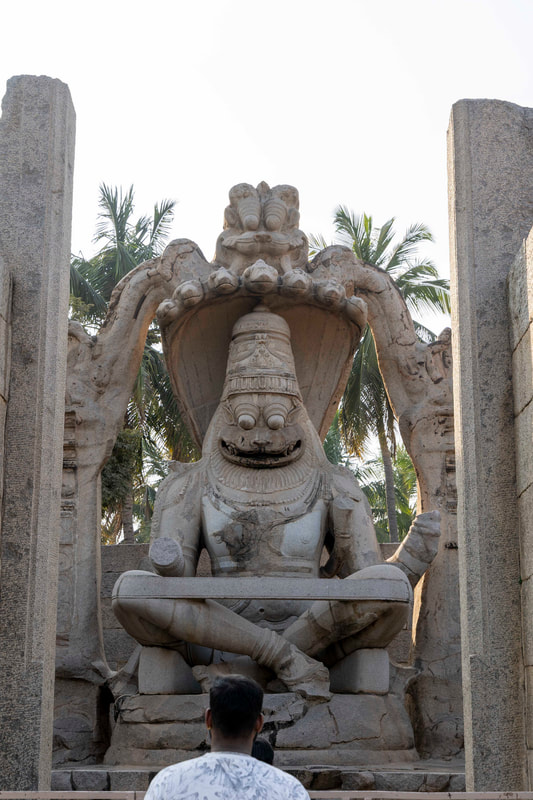
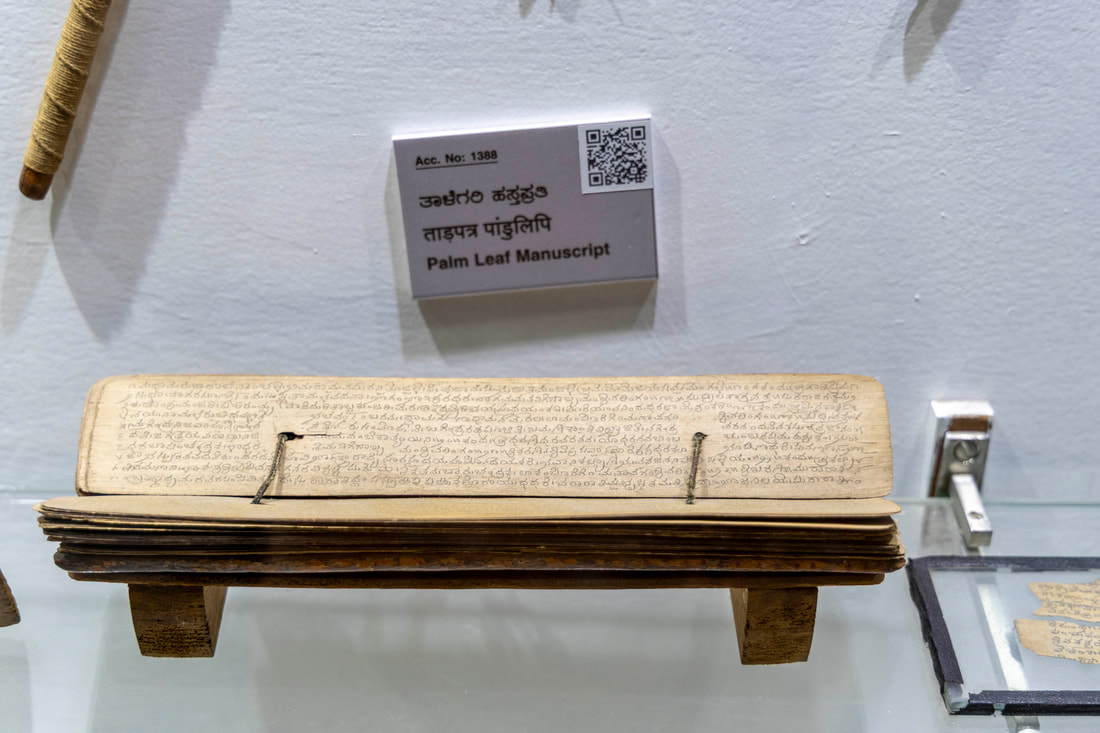
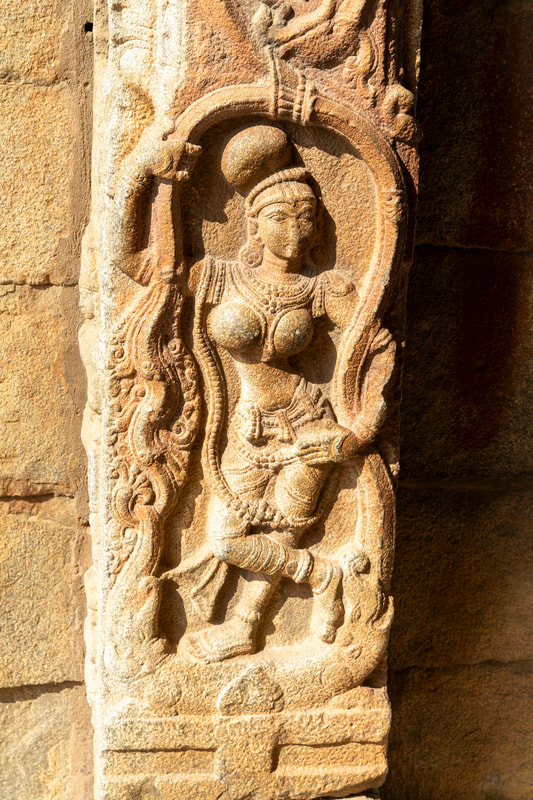
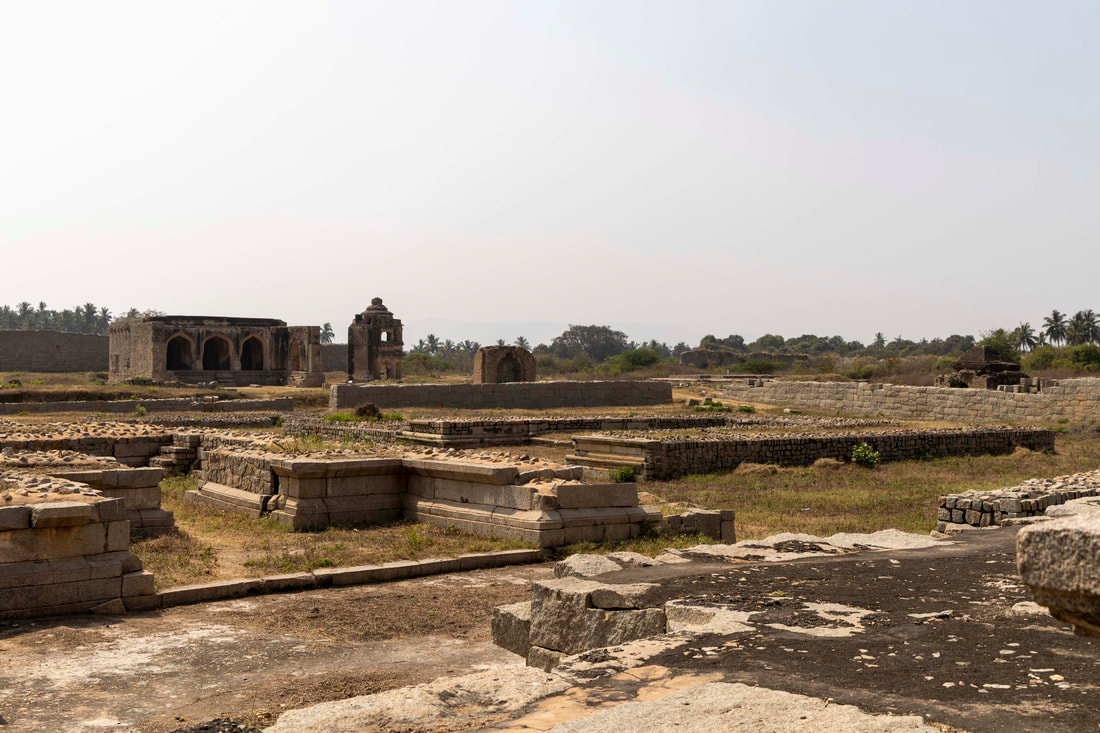
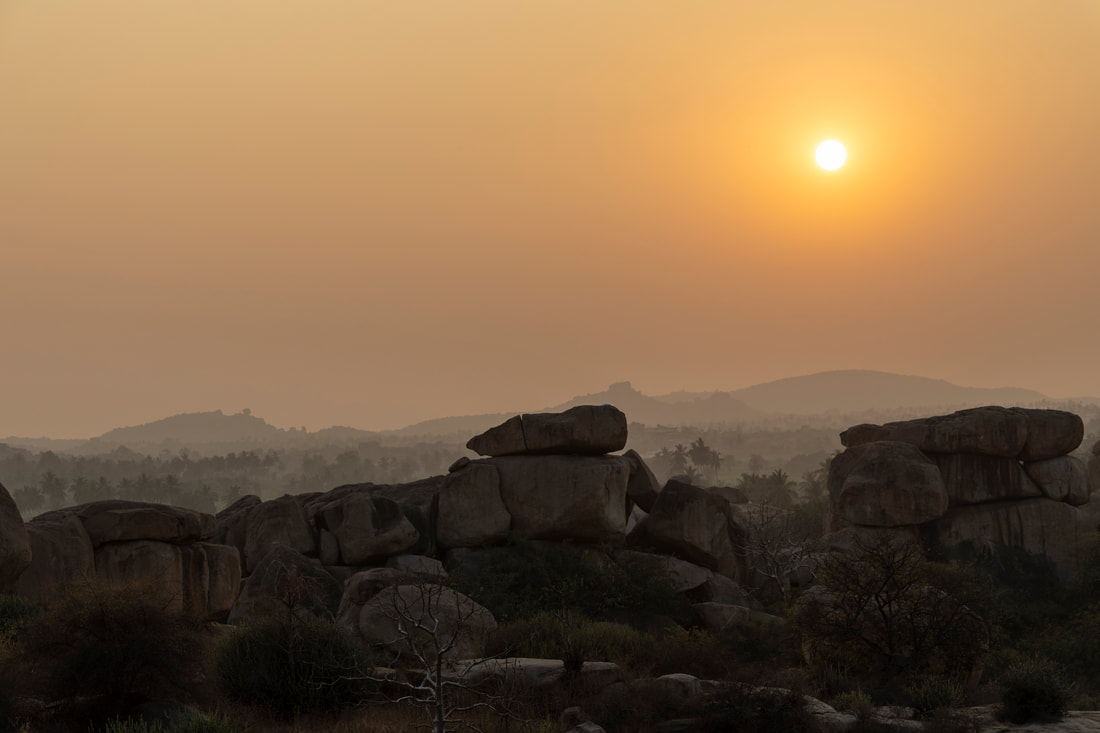
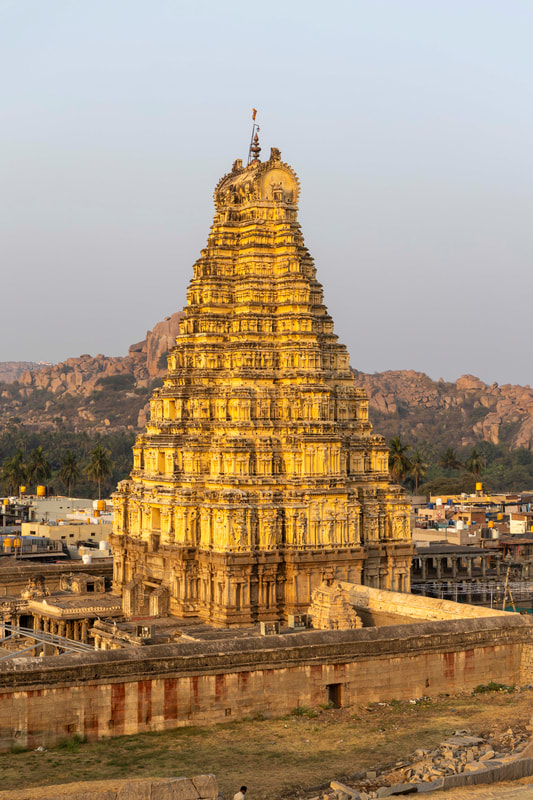
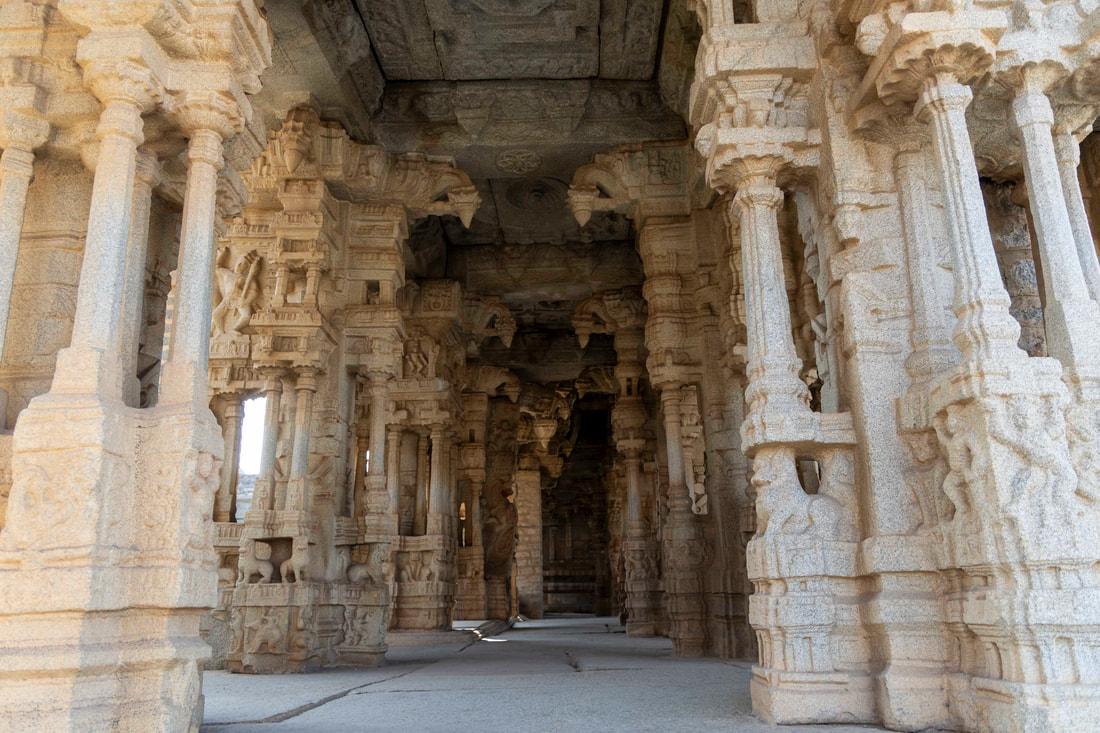
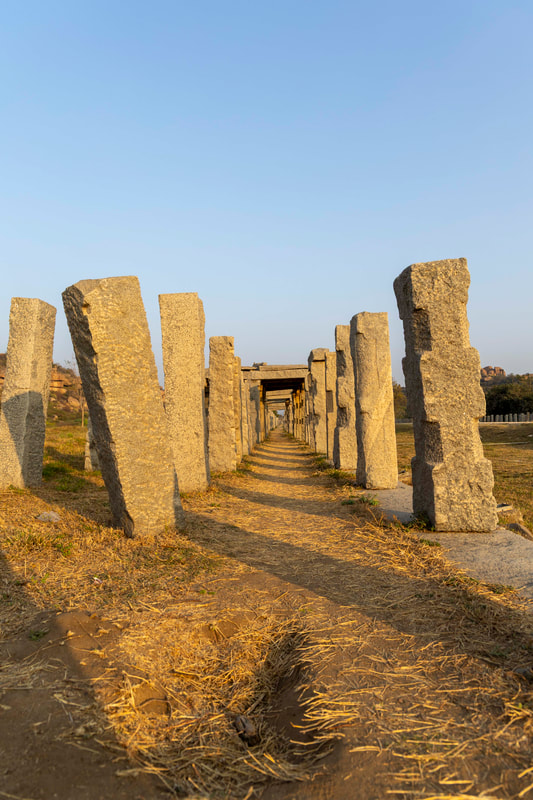
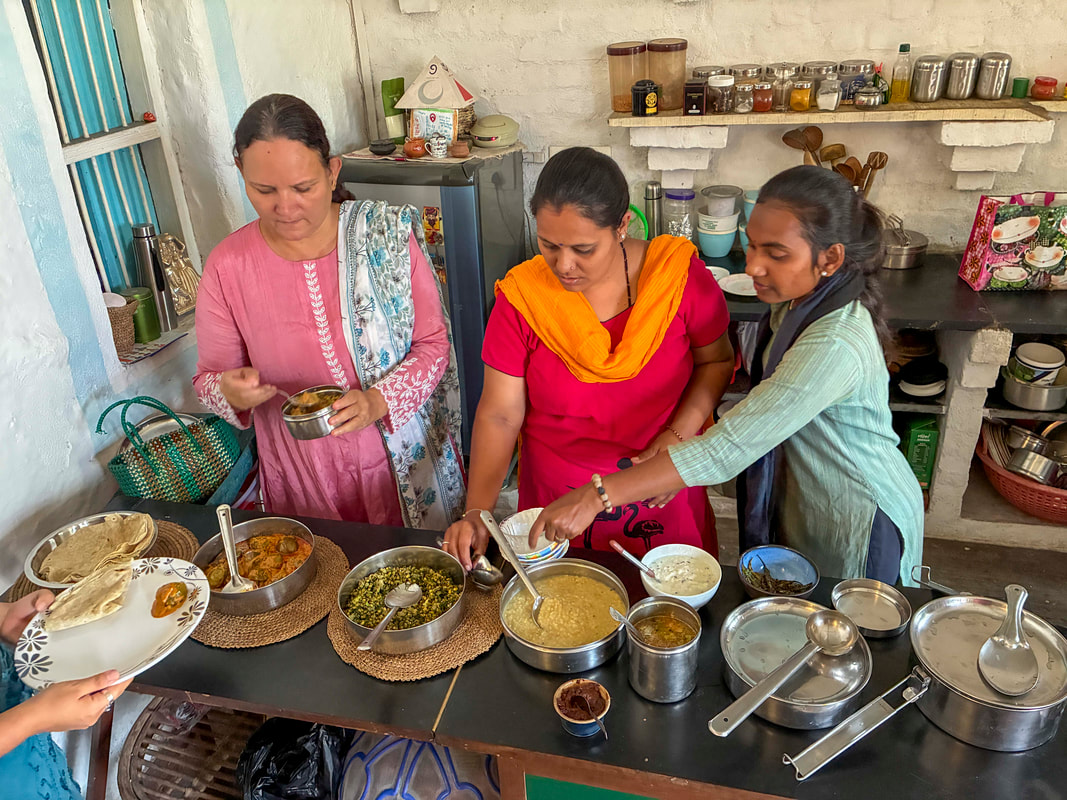
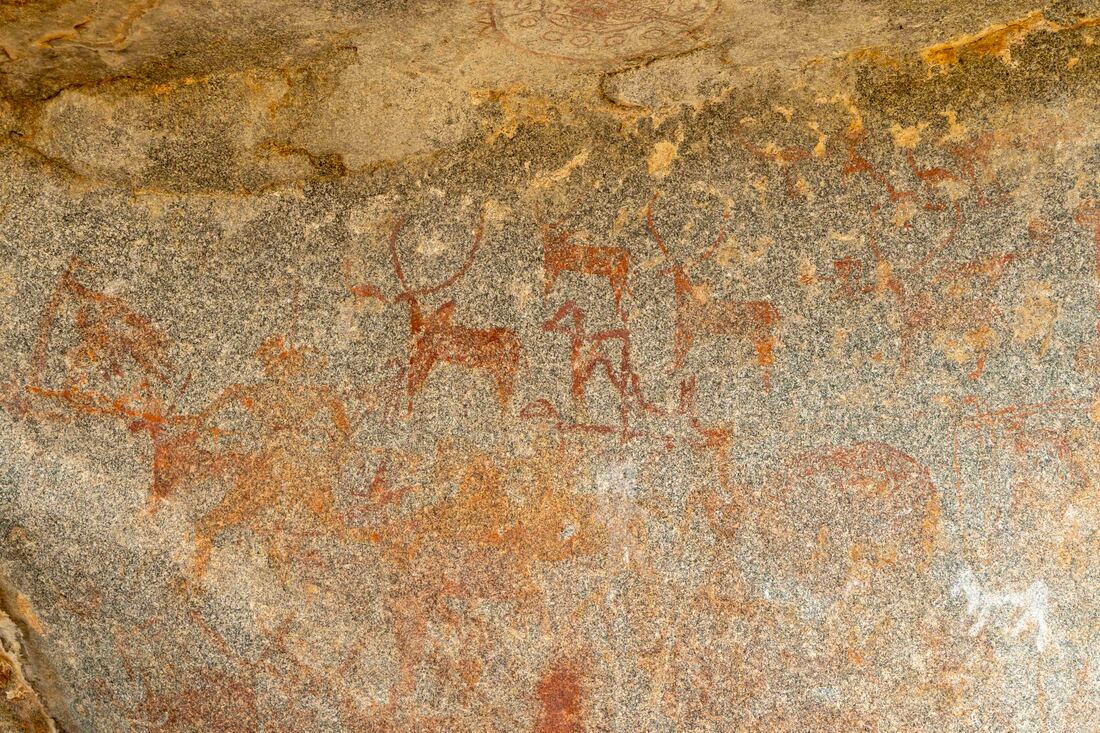
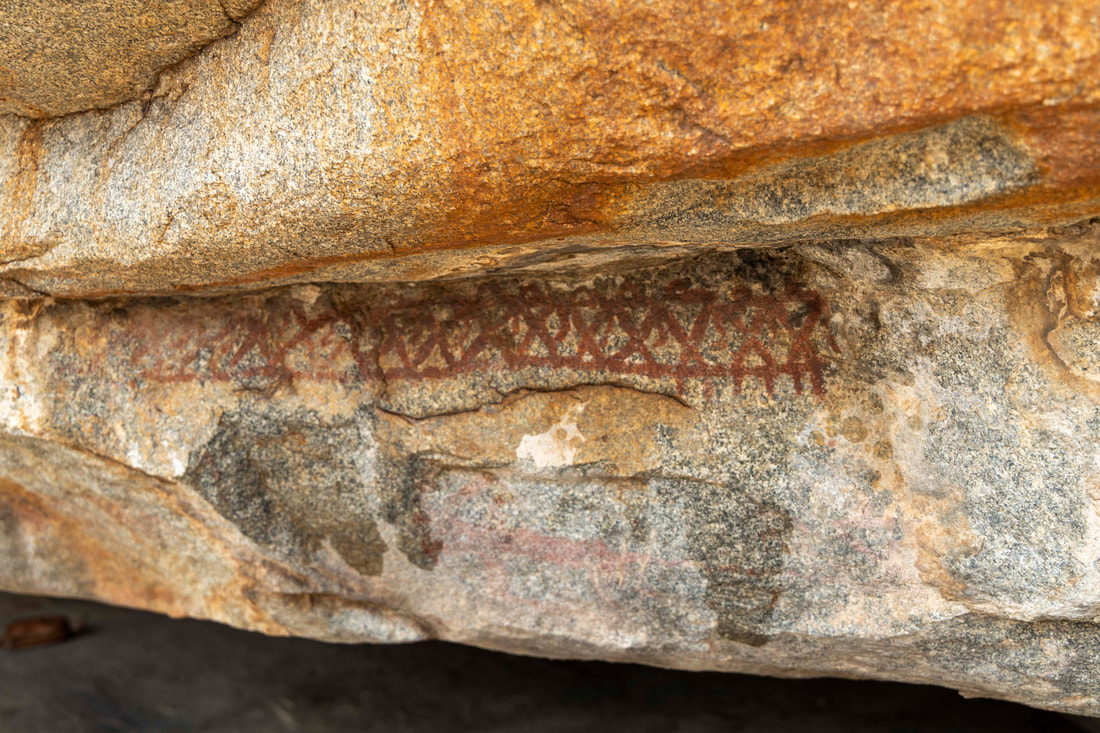
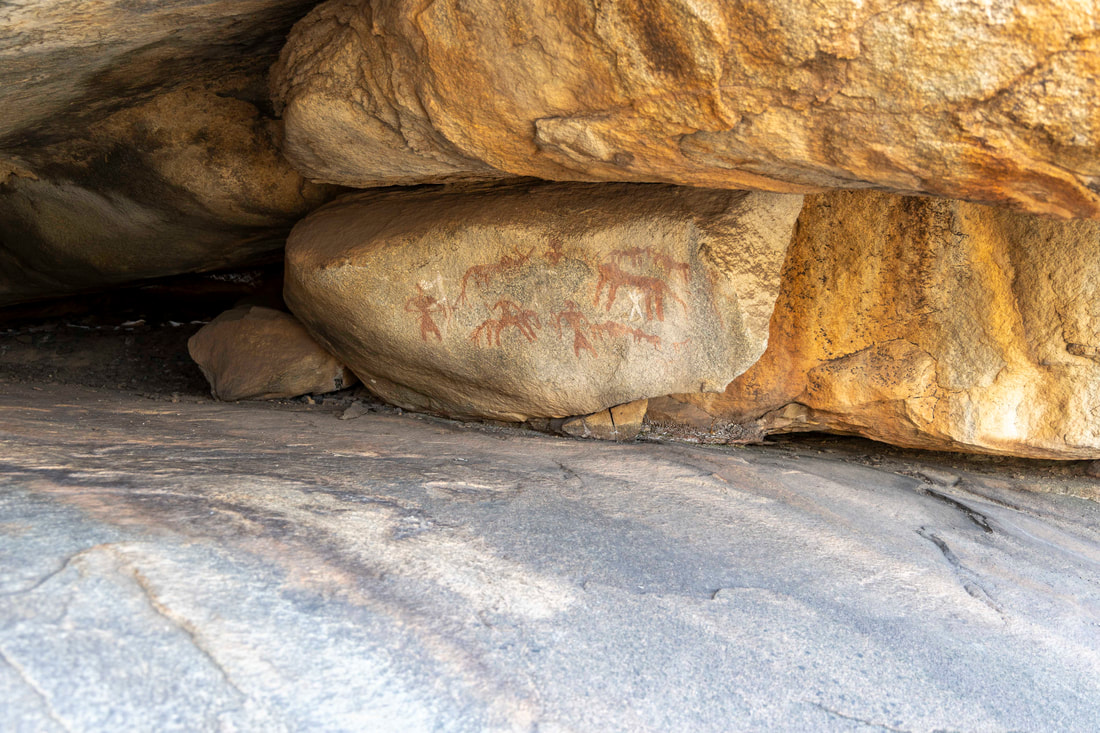
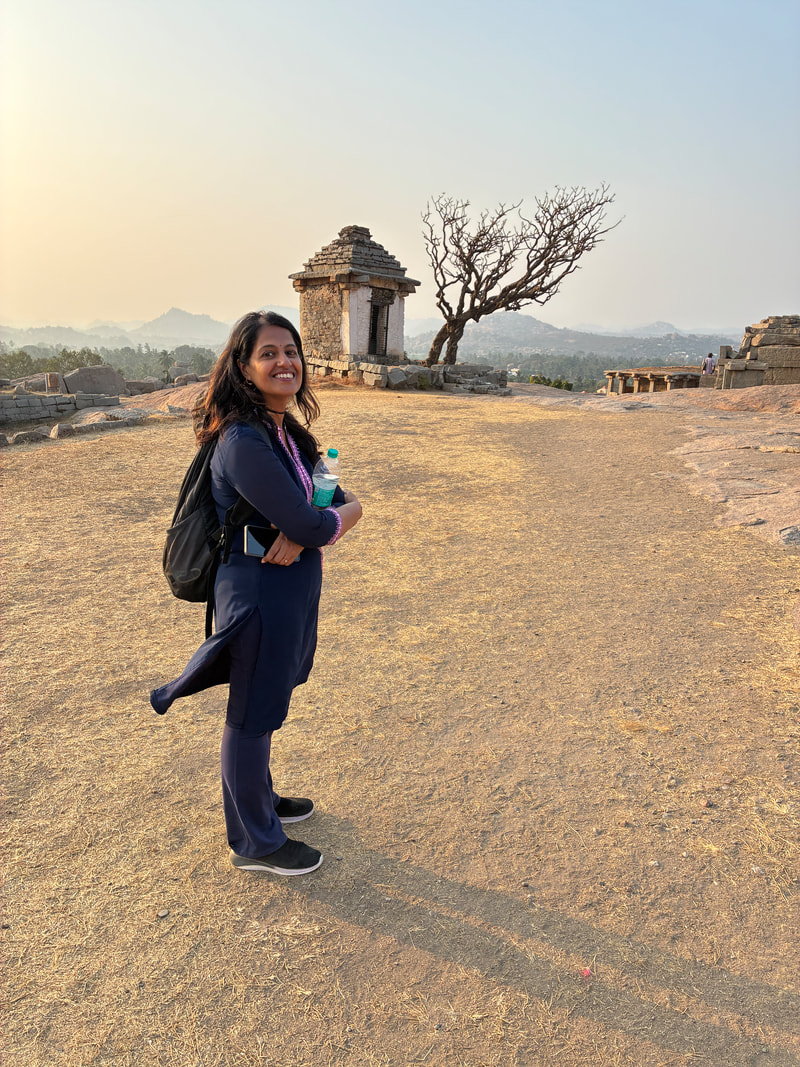
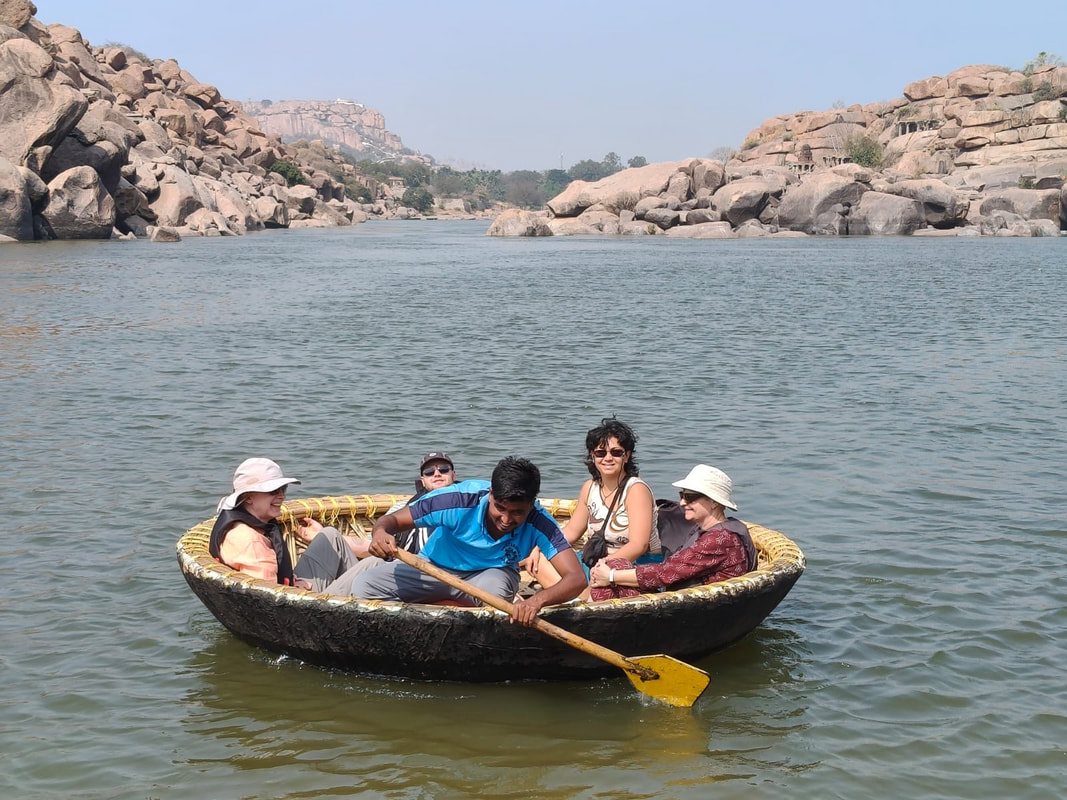
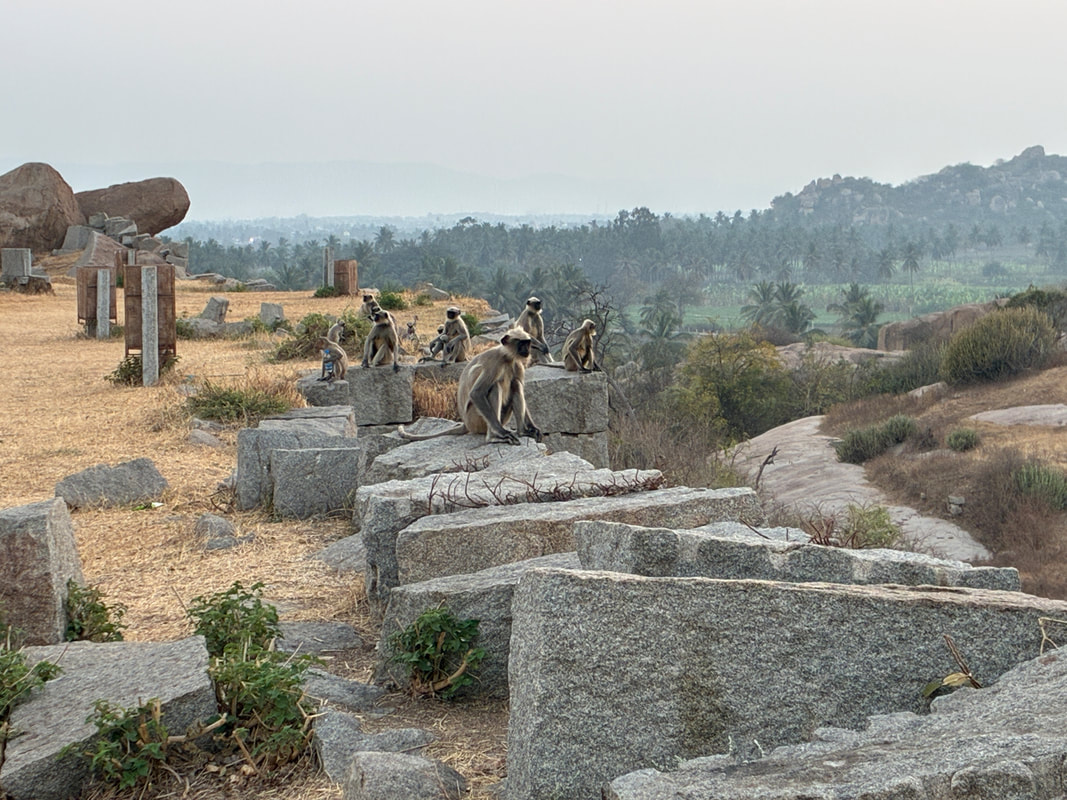
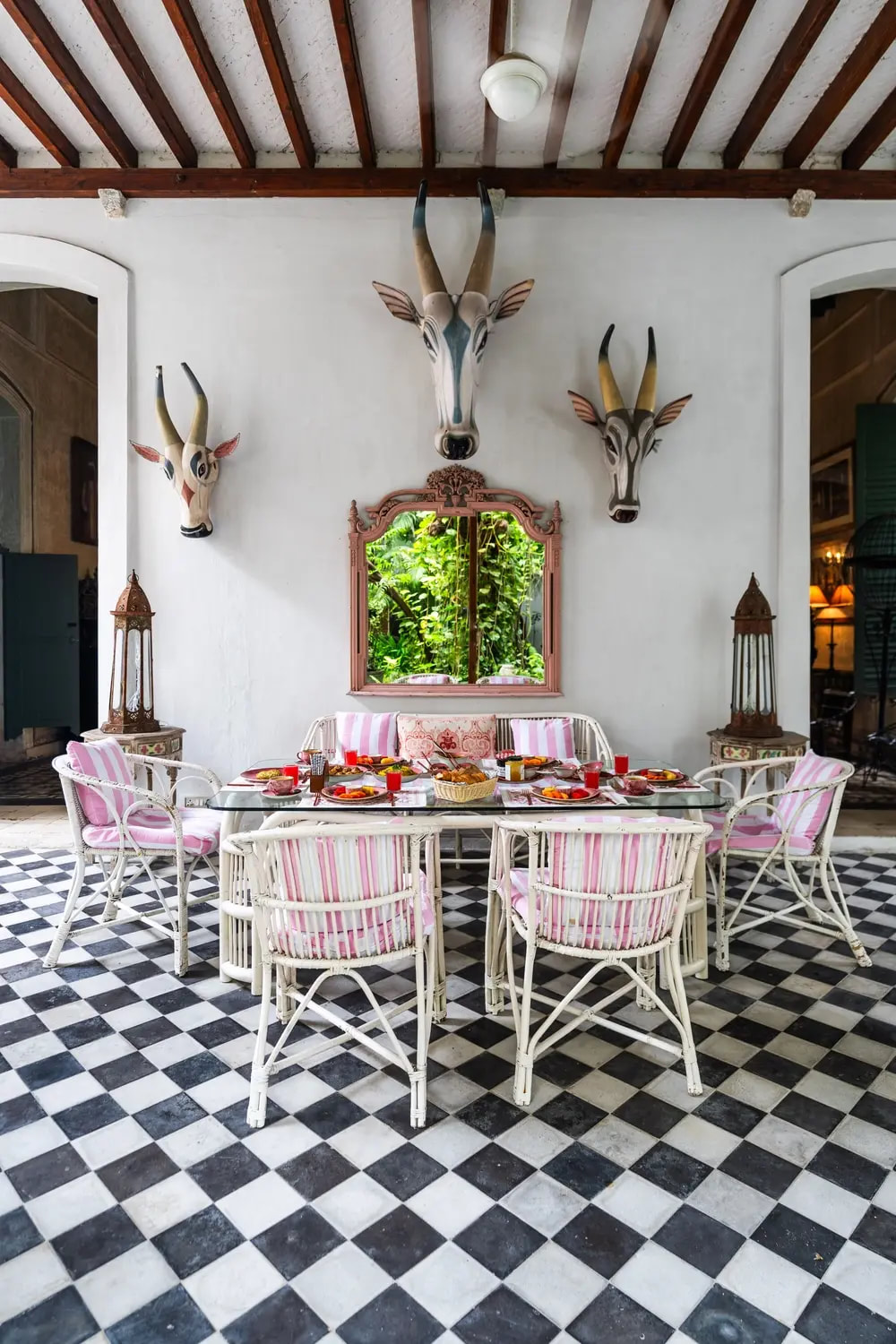
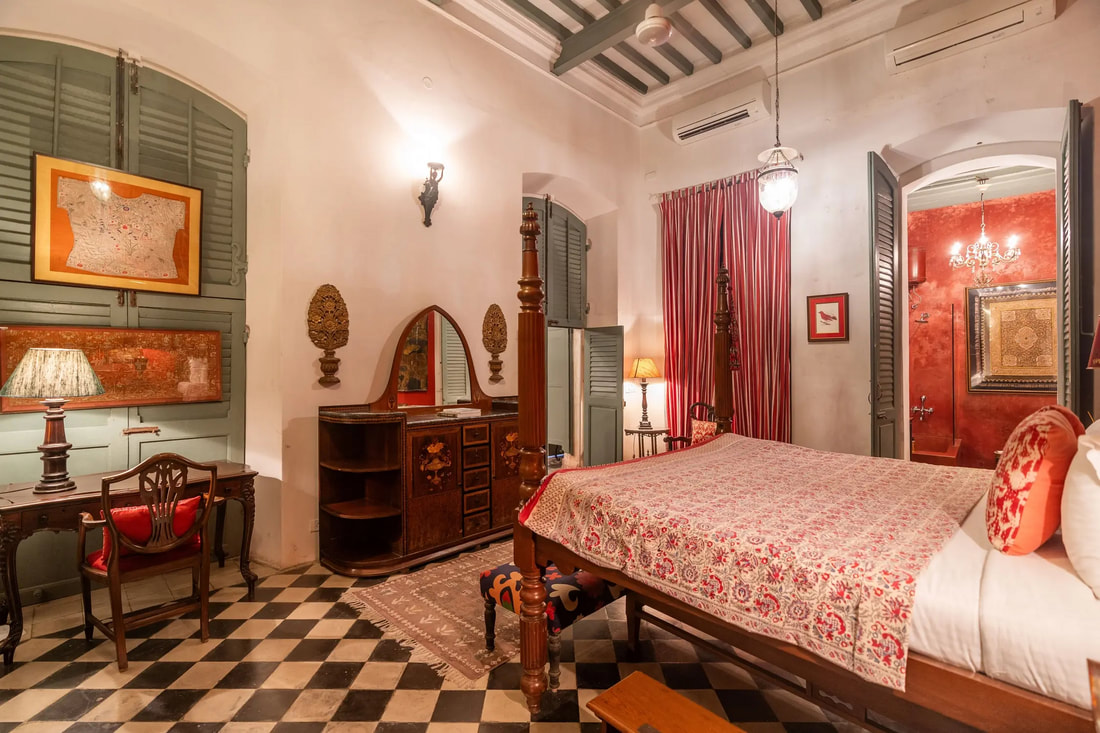
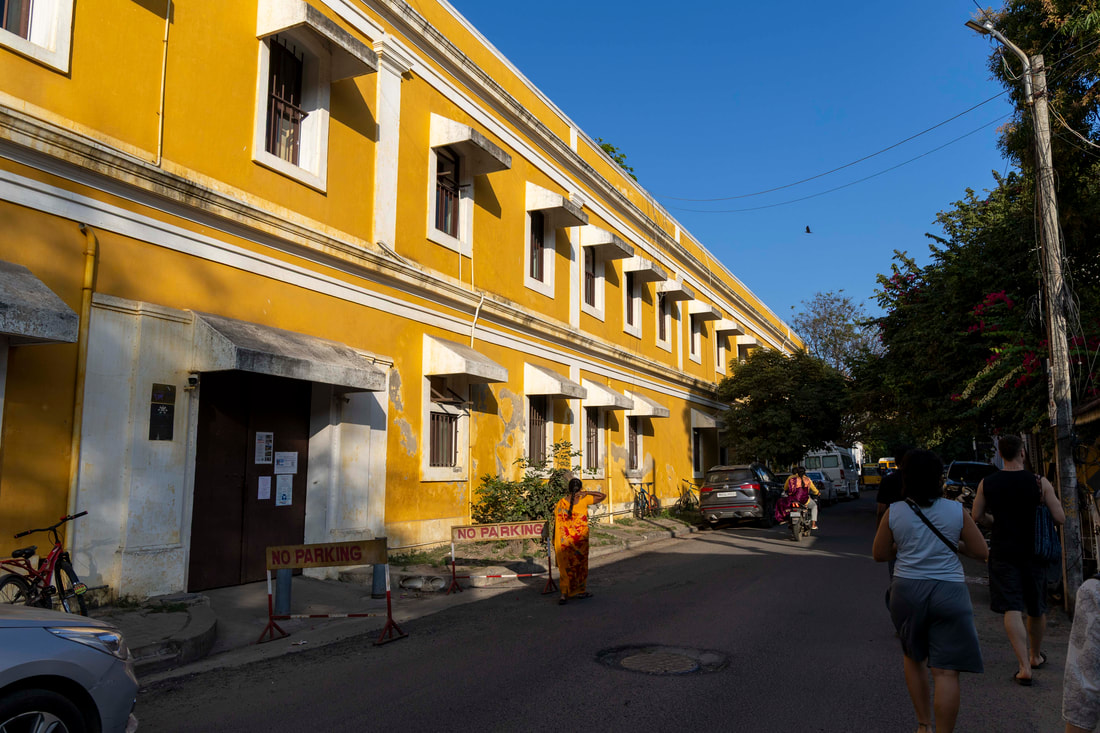
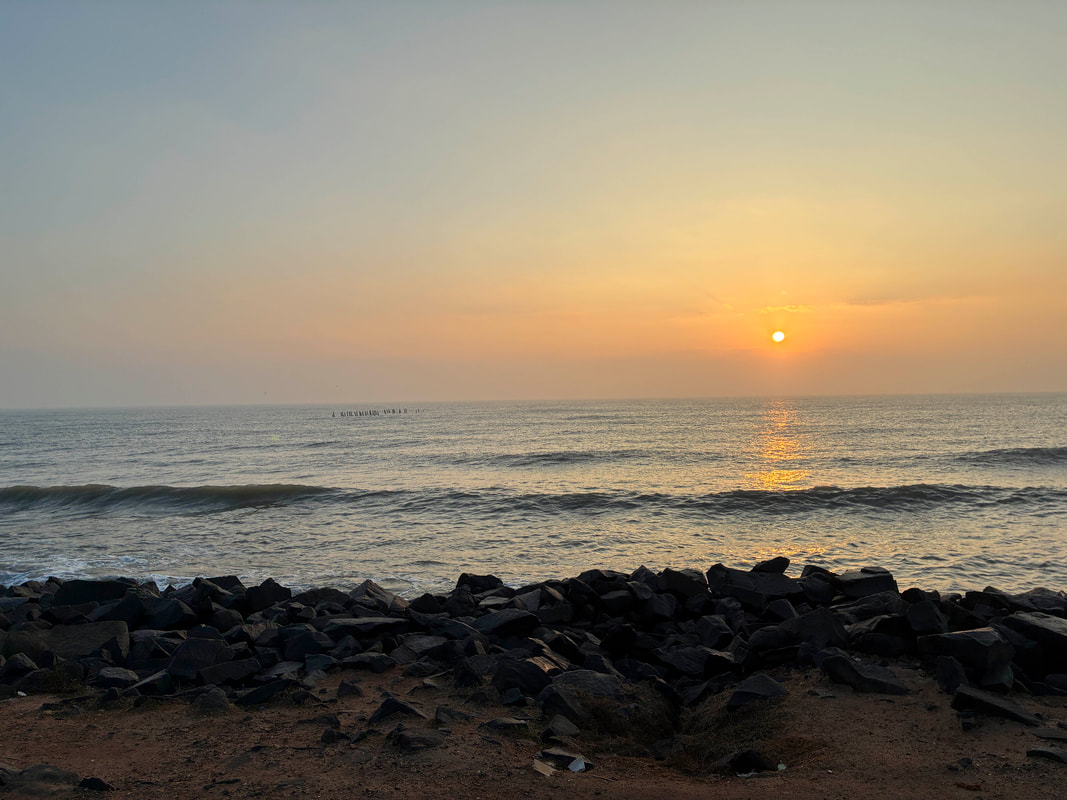
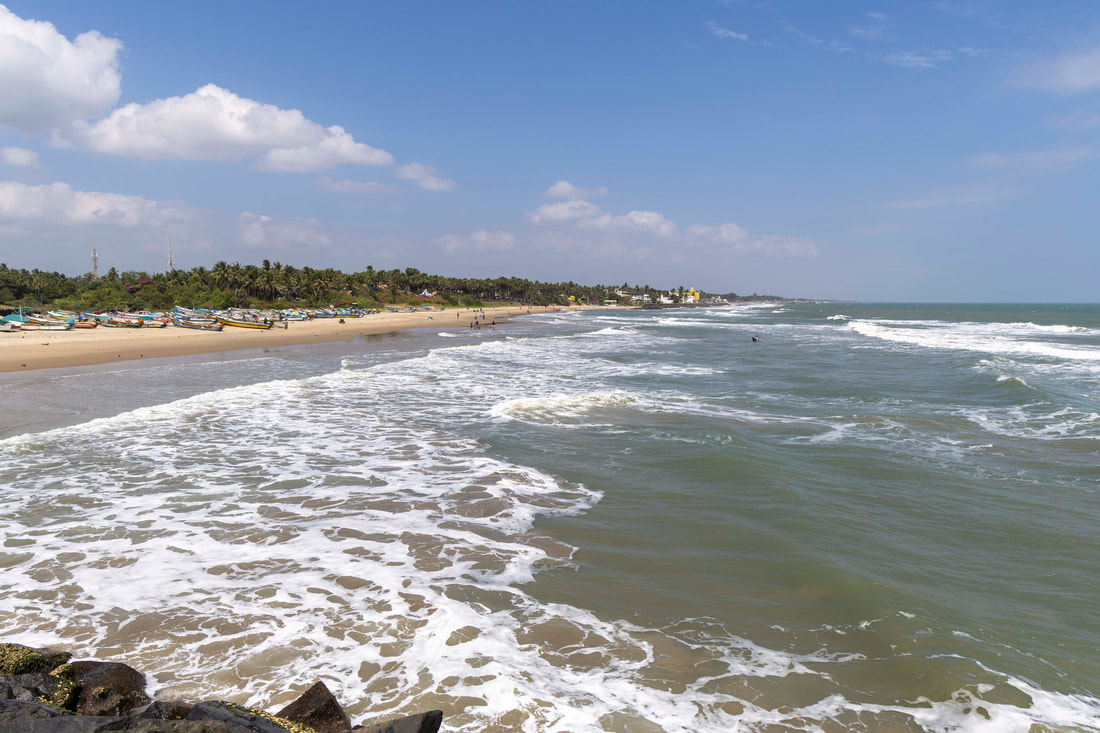
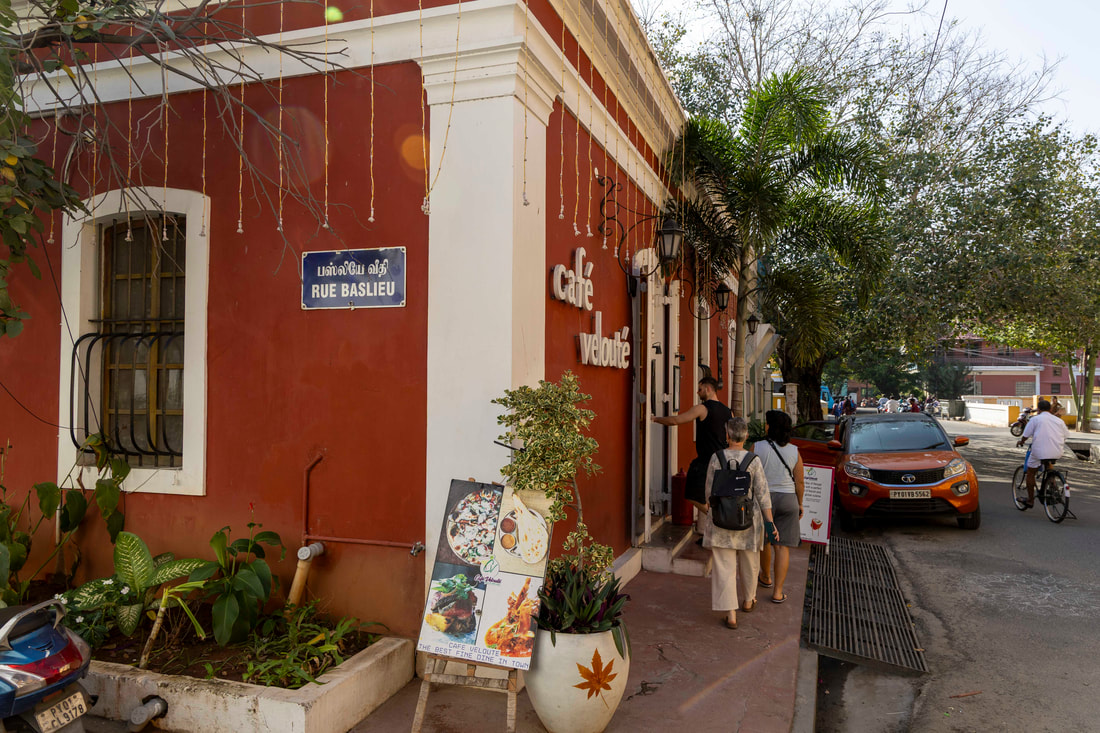
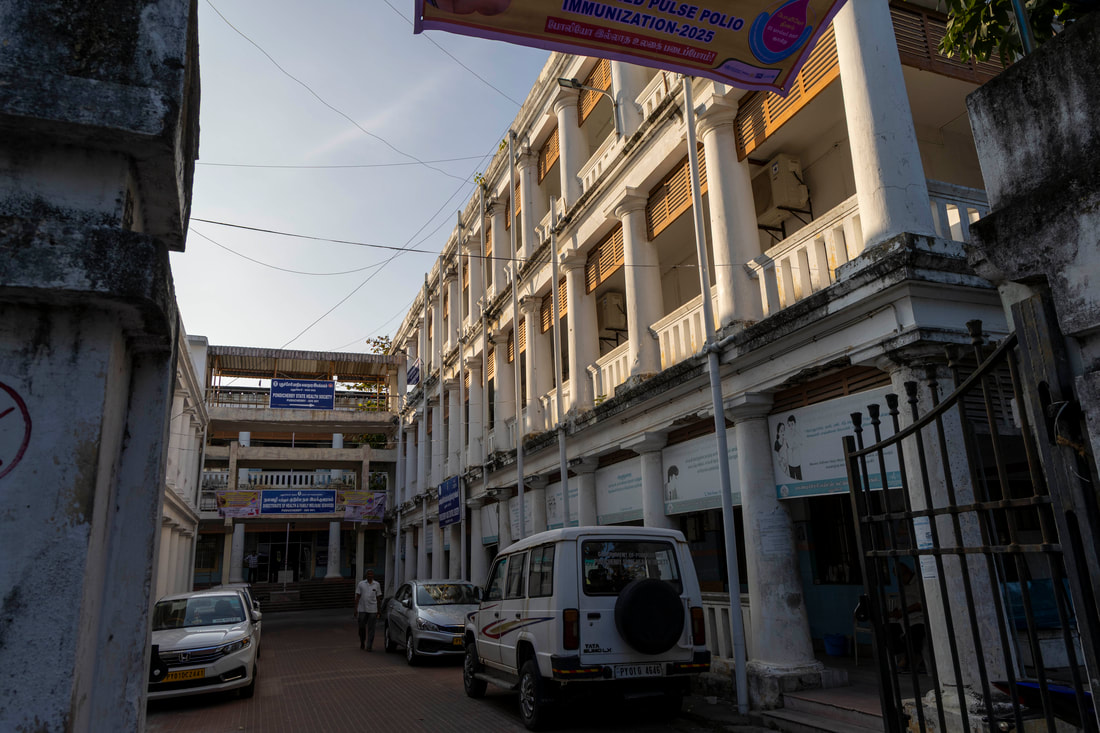
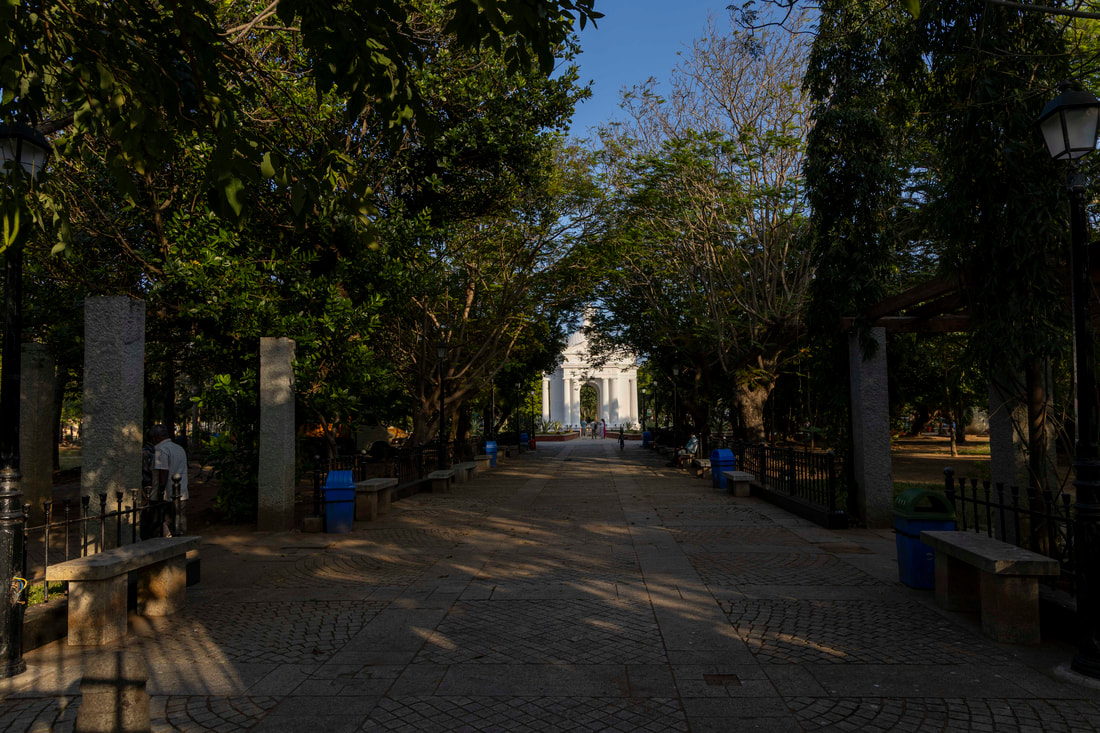
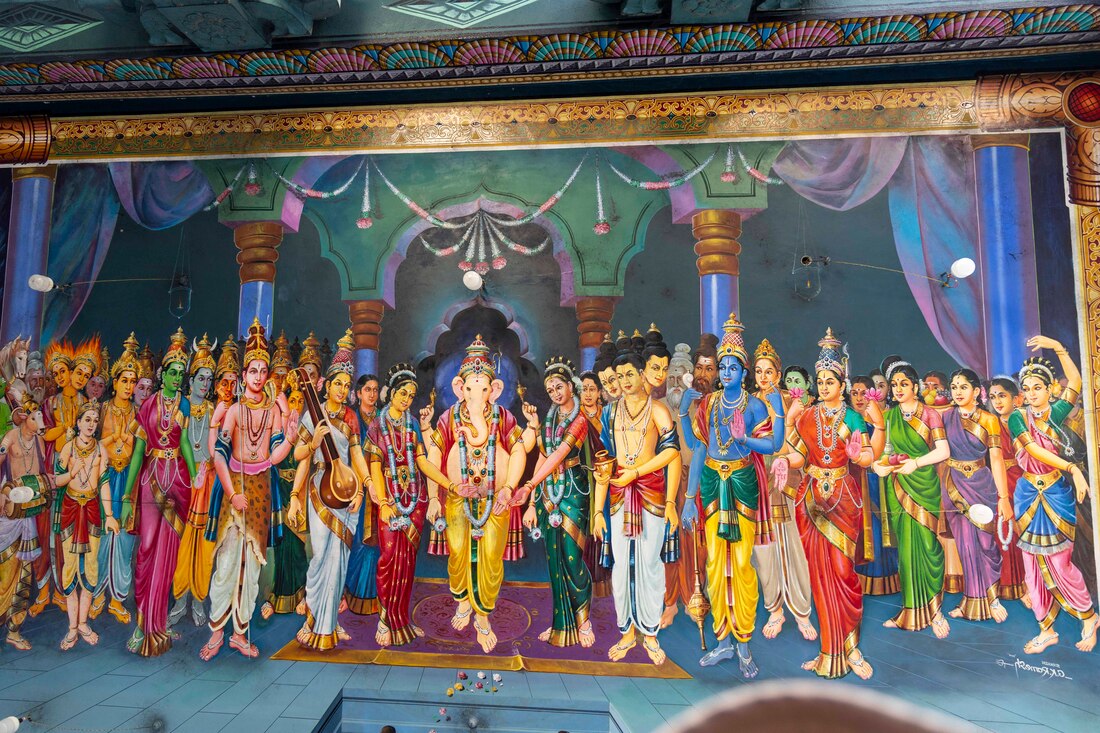
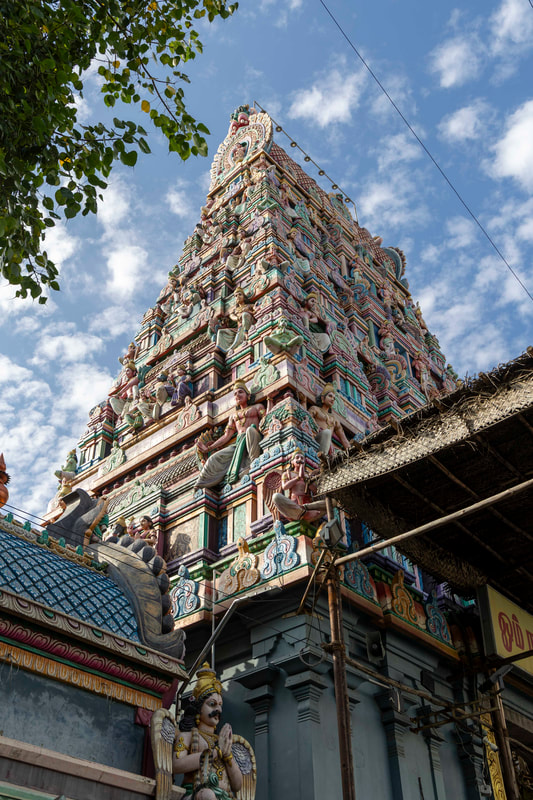
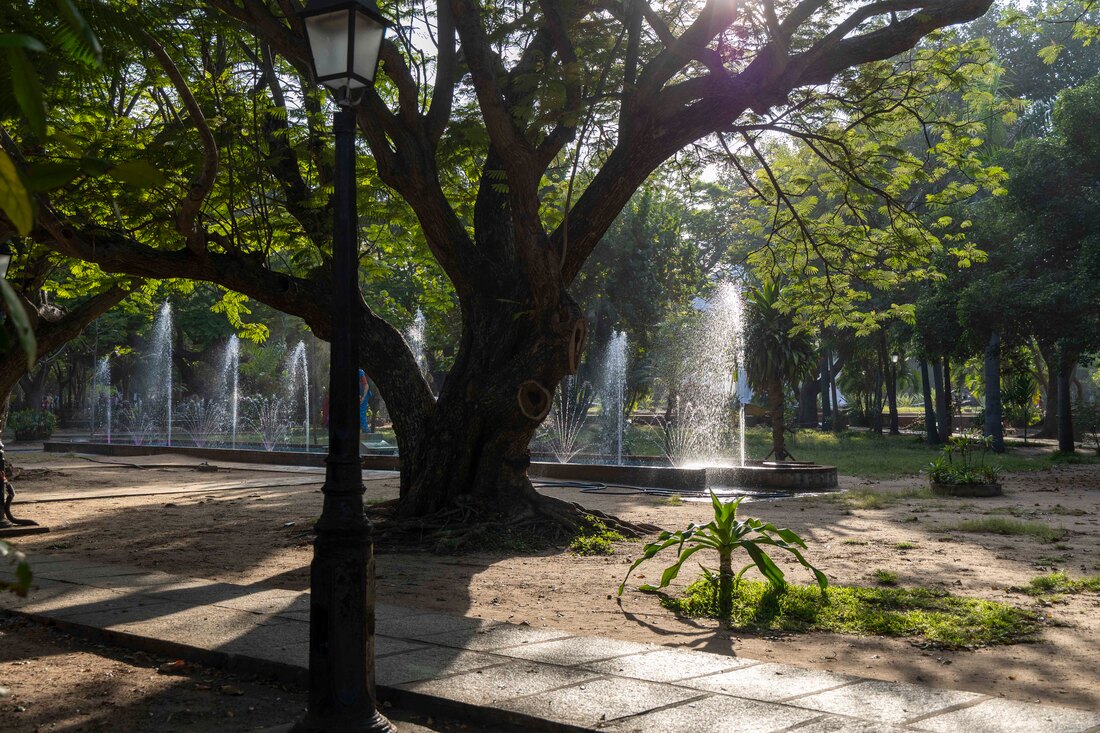
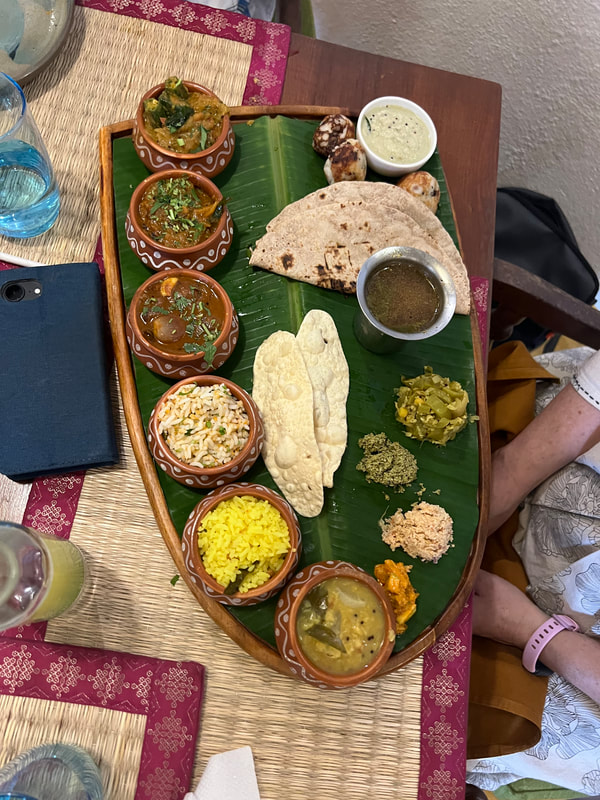
Par l’intermédiaire de notre chauffeur, j’ai été mis en contact avec un «agent». Il m’a recommandé de suivre l’ensemble de la procédure par l’intermédiaire d’une auto-école. Toutefois, j’espérais pouvoir simplement faire convertir mon permis suisse, sans passer par une auto-école ni par un examen, c’est pourquoi j’ai choisi de passer par l’agent. Il m’a d’abord conseillé d’attendre pour déposer la demande, car notre visa allait bientôt être renouvelé. Après la prolongation, il m’a orienté vers un autre agent du RTO. Je lui ai également expliqué que je souhaitais une conversion directe. Lors d’une visite à son bureau, nous sommes allés ensemble au RTO Office, l’autorité compétente en matière de circulation routière. Là, on m’a informé que je devais d’abord demander un permis d’apprenti conducteur, puis suivre la procédure standard. En ligne, j’ai effectivement trouvé une option permettant de demander un permis indien sur la base d’un permis étranger valide. Cependant, notre RTO compétent ne figurait pas dans la liste de sélection. J’ai donc reporté la démarche. Une tentative ultérieure a été fructueuse: j’ai pu télécharger les documents, payer les frais et obtenir un rendez-vous au RTO Office. La déception est venue sur place. Cette option semble s’appliquer uniquement aux ressortissants indiens ayant obtenu leur permis à l’étranger et revenant en Inde. Retour donc au point de départ – demande de permis d’apprenti conducteur. Avec un certain effort, j’ai soumis les documents et me suis rendu de nouveau au RTO. Au guichet, on m’a dit : «Vous pouvez maintenant passer l’examen théorique.» Cela m’a surpris. Heureusement, j’ai dû attendre un peu et j’ai profité de ce temps pour m’informer brièvement. Il fallait répondre correctement à 12 questions sur 20. J’ai réussi. Ensuite a commencé le délai d’attente de 30 jours avant l’examen pratique. Comme nous ne possédons ni voiture ni moto et que je souhaitais obtenir l’autorisation pour les deux catégories, je devais trouver une solution. Une possibilité aurait été d’organiser des véhicules par l’intermédiaire de connaissances. Finalement, j’ai opté pour une auto-école. Dans la première auto-école, la communication en anglais était difficile. Sur le chemin du retour, je suis passé par hasard devant une autre école, recommandée dans le chat de notre immeuble. Là, j’ai reçu un soutien compétent. Hier, je me suis rendu avec le moniteur au centre d’examen. L’épreuve ne se déroule pas dans la circulation publique, mais sur un parcours dédié (un 8 et un H). J’ai pu me familiariser à l’avance avec le circuit. Ce matin, j’ai passé l’examen – et je l’ai réussi. Le permis est déjà disponible en ligne; je recevrai la carte physique dans les prochains jours. Avec le recul, je dois reconnaître que si j’avais écouté notre chauffeur dès le début et choisi directement la voie de l’auto-école, l’ensemble du processus aurait été nettement plus simple et plus rapide. Hampi stand sehr hoch auf meiner Reise-Wunschliste - und ich war nicht enttäuscht. Wir waren drei ganze Tage dort mit einer tollen Reiseführerin und es ist sehr schwierig, Fotos auszusuchen, weil wir viel zu viele gute haben. Wir sind mit unserem Sohn, dessen Freundin, "unserem" Auto und Fahrer, gereist. Die Fahrt dauerte acht Stunden, mit den Pausen neun Stunden, und war ganz okay. Dasselbe gilt für das Homestay, in dem wir übernachtet haben: ganz okay. Hampi ist UNESCO Weltkulturerbe. Es war vom 14. bis zum 16. Jahrhundert das Zentrum des Vijayanagar-Reiches, einer der letzten grossen Hindu-Dynastien, bevor es 1565 zerstört wurde. Dieses Reich war sehr mächtig und reich, militärisch erfolgreich und kunstliebend. Die Landschaft besteht aus unglaublich geformten rost-orangen Granitfelsen, mit satt grünen Reis- und anderen Feldern dazwischen. Das Wasser kommt von einem grossen, ebenfalls fotogenen Fluss. Die Umgebung wirkt fast surreal und ist atemberaubend schön. Es gibt eine riesige Anzahl an Ruinen in verschiedenen Gebieten: Tempelanlagen, eine vergangene Stadt mit Palästen, bzw. deren Überreste, "Bazaars", also Strassen, die zu den Tempeln führten, etc. Zwei Tage lang haben wir diese Orte in Hampi besucht. Die junge Generation war einen Nachmittag lang bouldern (auch dafür ist Hampi berühmt). Anegundi haben wir am dritten Tag besucht. Es war die erste Hauptstadt des Reiches und ist heute ein kleines Dorf. Auch dort gibt es ein paar Gebäude aus alter Zeit, sie sind etwas weniger gut erhalten und renoviert. Wir waren in Anegundi von einem der Nachfahren der Herrscher-Dynastie eingeladen, in einem wunderschönen Haus, das er in der traditionellen Art renoviert hat (wir haben uns nicht getraut, Fotos zu machen). Das war eine interessante Begegnung. Danach durften wir bei einer Dorfbewohnerin zu Mittag essen und konnten so Alltagsküche geniessen (lecker!). Anschliessend haben wir Höhlenmalereien bestaunen dürfen; der Königs-Nachfahre konnte das für uns organisieren. Die Malereien sind in diesen Felsbergen versteckt und stammen aus dem Neolithikum (Jungsteinzeit). Diese uralten Zeichen unserer Vorfahren kombiniert mit der skurrilen Landschaft und der totalen Ruhe waren sehr beeindruckend. Wir haben hier wieder etwas für uns völllig Neues bereisen und bewundern dürfen. Indien ist so facettenreich! Hampi was very high on my travel wish list – and I was not disappointed. We spent three whole days there with a great tour guide, and it's very difficult to choose photos because we have far too many good ones. We travelled with our son, his girlfriend, ‘our’ car and driver. The journey took eight hours, nine hours including breaks, and was quite okay. The same goes for the homestay where we stayed: quite okay. Hampi is a UNESCO World Heritage Site. From the 14th to the 16th century, it was the centre of the Vijayanagar Empire, one of the last great Hindu dynasties, before it was destroyed in 1565. This empire was very powerful and rich, militarily successful and art-loving. The landscape consists of incredibly shaped rust-orange granite rocks, with lush green rice and other fields in between. The water comes from a large, equally photogenic river. The surroundings seem almost surreal and is breathtakingly beautiful. There are a huge number of ruins in various areas: temple complexes, a former city with palaces, or rather their remains, ‘bazaars’, i.e. streets that led to the temples, etc. We spent two days visiting these places in Hampi. The younger generation spent an afternoon bouldering (Hampi is also famous for this). We visited Anegundi on the third day. It was the first capital of the empire and is now a small village. There are also a few buildings from ancient times there, but they are not as well preserved and renovated. We were invited to Anegundi by one of the descendants of the former ruling dynasty, to a beautiful house that he had renovated in the traditional style (we didn't dare take any photos). It was an interesting encounter. Afterwards, we were invited to have lunch with a villager and were able to enjoy everyday cuisine (delicious!). Then we were able to marvel at cave paintings; the king's descendant could organise this for us. The paintings are hidden in these rocky mountains and date back to the Neolithic period. These ancient symbols of our ancestors, combined with the bizarre landscape and total tranquillity, were very impressive. Once again, we were able to travel to and admire something completely new to us. India is so multifaceted! Hampi figurait en tête de ma liste de destinations à visiter, et je n'ai pas été déçue. Nous y avons passé trois jours entiers avec une guide formidable, et il est très difficile de choisir les photos, car nous en avons beaucoup trop de belles. Cette fois-ci, elles viennent à la fin. Nous avons voyagé avec notre fils, sa partenaire, « notre » voiture et chauffeur. Le trajet a duré huit heures, neuf heures avec les pauses, et s'est bien passé. Il en va de même pour le séjour chez l'habitant où nous avons passé les nuit : tout à fait correct. Hampi est classé au patrimoine mondial de l'UNESCO. Du XIVe au XVIe siècle, il a été le centre de l'empire Vijayanagar, l'une des dernières grandes dynasties hindoues, avant d'être détruit en 1565. Cet empire était très puissant et riche, prospère sur le plan militaire et amateur d'art. Le paysage se compose de rochers de granit orange rouille aux formes incroyables, entrecoupés de rizières et d'autres champs d'un vert luxuriant. L'eau provient d'une grande rivière, tout aussi photogénique. Les environs semblent presque surréaliste et d'une beauté à couper le souffle. Il existe un grand nombre de ruines dans différentes zones : des temples, une ville disparue avec des palais ou leurs vestiges, des « bazars », c'est-à-dire des rues qui menaient aux temples, etc. Nous avons passé deux jours à visiter ces lieux à Hampi. La jeune génération a passé un après-midi à faire de l'escalade (Hampi est également célèbre pour cela). Nous avons visité Anegundi le troisième jour. C'était la première capitale de l'empire et c'est aujourd'hui un petit village. On y trouve également quelques bâtiments anciens, mais ils sont un peu moins bien conservés et rénovés. À Anegundi, nous avons été invités par l'un des descendants de l'ancienne dynastie régnante dans une magnifique maison qu'il a rénovée dans le style traditionnel (nous n'avons pas osé prendre de photos). Ce fut une rencontre intéressante. Ensuite, nous avons pu déjeuner chez une villageoise et déguster la cuisine locale (délicieuse !). Nous avons après pu admirer des peintures rupestres ; le descendant royal a pu organiser cela pour nous. Les peintures sont cachées dans ces montagnes rocheuses et datent du néolithique. Ces signes anciens laissés par nos ancêtres, combinés au paysage insolite et au calme absolu étaient très impressionnants. Nous avons pu découvrir et admirer quelque chose de complètement nouveau pour nous. L'Inde est tellement variée ! Pondicherry ist eine relativ kleine Stadt in Tamil Nadu, an der Ostküste, also am Golf von Bengalen. Wie so vieles in diesem Land, hat die Stadt leicht unterschiedliche Bezeichnungen: Puducherry ist seit 2006 der offizielle Name, bis dann hiess die Stadt Pondicherry. Sie wird oft einfach Pondy genannt. Ortsnamen werden geändert, aber viele Leute benützen die früheren Bezeichnungen. Zum Beispiel höre ich oft "Bombay" für "Mumbai". Wir müssen uns also noch mehr Namen merken 😅. Unser jüngerer Sohn und seine Freundin besuchen uns in Indien, und wir nützen das aus, um weitere Orte zu bereisen. So führt uns unsere erste dreitägige Reise nach Pondy, einer ehemals französischen Kolonie. Wir wohnen in einem wunderschönen, alten Kolonialhaus, das zu einem Hotel, bzw. Bed and Breakfast, mit vier Zimmern umgebaut wurde. Es ist mit antiken Möbeln eingerichtet, jedes Zimmer hat sein eigenes Thema; so wohnen Yashi und ich im chinesischen Zimmer, das in Rottönen mit chinesischen Bildern und Möbeln ausgestattet ist. Diese Art von Hotels sind eine Spezialität von Pondy. Die (eher) touristischen beiden Stadtteile sind zu Fuss gut zu erkunden. Es stehen noch viele Kolonialbauten, die meistens in gelber Farbe gestrichen und in sehr gutem Zustand sind. Es gibt auch einen "Ashram", also religiöse oder spirituelle Gemeinschaft, zu dem sehr viele Gebäude gehören. Diese sind grau gestrichen. Pondy ist lange französisch geblieben, bis nach der Entstehung der indischen Republik. Anscheinend trägt der französische Staat mit Geld immer noch zum Erhalt der Bauten bei und wir haben Einheimische französisch sprechen gehört. Wir flanieren an der Küste, besichtigen ein paar Tempel und Kirchen und geniessen die entspannte Stimmung. Es sind auch viele indische Gäste hier, die ebenfalls Ferien haben. Das Essen ist hervorragend, und wir entdecken wieder neue indische Speisen, wie zum Beispiel Lappa. Das ist ein indisches flaches Brot, das ähnlich wie Crêpes aussieht und mit Ei oder Fleisch gefüllt wird. Ich glaube, das gibt es auch in Sri Lanka. Leider haben wir kein Foto davon gemacht, dafür jedoch vom Thali, den wir am Ende unseres Aufenthaltes zu Mittag gegessen haben. Pondicherry is a relatively small city in Tamil Nadu, on the east coast, i.e. on the Bay of Bengal. Like so many things in this country, the city has slightly different names: Puducherry has been the official name since 2006, before that the city was called Pondicherry. It is often simply referred to as Pondy. Place names are changed, but many people still use the old names. For example, I often hear ‘Bombay’ instead of ‘Mumbai’. So we have to remember even more names 😅. Our younger son and his girlfriend are visiting us in India, and we are taking advantage of this to travel to new places. Our first three-day trip takes us to Pondy, a former French colony. We are staying in a beautiful old colonial house that has been converted into a hotel, or rather a bed and breakfast, with four rooms. It is furnished with antique furniture, and each room has its own theme; Yashi and I are staying in the Chinese room, which is decorated in shades of red with Chinese pictures and furniture. This type of hotel is a speciality of Pondy. The two (more) touristy parts of the city are easy to explore on foot. There are still many colonial buildings, most of which are painted yellow and in very good condition. There is also an ‘ashram’, a religious or spiritual community, which includes a large number of buildings. These are painted grey. Pondy remained French for a long time, until after the creation of the Indian Republic. Apparently, the French state still contributes money to the preservation of the buildings, and we heard locals speaking French. We stroll along the coast, visit a few temples and churches, and enjoy the relaxed atmosphere. There are also many Indian guests here who are also on holiday. The food is excellent, and we discover new Indian dishes, such as lappa. This is a flat Indian bread that looks similar to crêpes and is filled with egg or meat. I think it's also available in Sri Lanka. Unfortunately, we didn't take a photo of it, but we did take one of the thali we had for lunch at the end of our stay. Pondichéry est une ville relativement petite située dans le Tamil Nadu, sur la côte est, au bord du golfe du Bengale. Comme beaucoup d'autres choses dans ce pays, la ville porte plusieurs noms légèrement différents : Puducherry est son nom officiel depuis 2006, mais avant cela, elle s'appelait Pondichéry. On l'appelle souvent simplement Pondy. Les noms de lieux changent, mais beaucoup de gens continuent d'utiliser les anciens noms. Par exemple, j'entends souvent « Bombay » à la place de « Mumbai ». Il faut donc retenir encore plus de noms 😅. Notre fils cadet et sa partenaire nous rendent visite en Inde, et nous en profitons pour visiter d'autres endroits. Notre premier voyage de trois jours nous mène ainsi à Pondy, une ancienne colonie française. Nous logeons dans une magnifique maison coloniale ancienne qui a été transformée en hôtel, ou plutôt en bed and breakfast, avec quatre chambres. Elle est meublée avec des meubles anciens, chaque chambre a son propre thème ; Yashi et moi logeons ainsi dans la chambre chinoise, décorée dans des tons rouges avec des tableaux et des meubles chinois. Ce type d'hôtels est une spécialité de Pondy. Les deux quartiers (plutôt) touristiques peuvent être facilement explorés à pied. Il y a encore de nombreux bâtiments coloniaux, pour la plupart peints en jaune et en très bon état. Il y a également un « ashram », c'est-à-dire une communauté religieuse ou spirituelle, qui comprend de nombreux bâtiments. Ceux-ci sont peints en gris. Pondy est restée française longtemps, jusque après la création de la République indienne. Apparemment, l'État français continue de contribuer financièrement à l'entretien des bâtiments et nous avons entendu des habitants parler français. Nous flânons sur la côte, visitons quelques temples et églises et profitons de l'ambiance détendue. Il y a également beaucoup de touristes indiens qui sont eux aussi en vacances. La nourriture est excellente et nous découvrons de nouveaux plats indiens, comme le lappa : un pain plat indien qui ressemble à une crêpe et qui est fourré d'œufs ou de viande. Je crois qu'on en trouve aussi au Sri Lanka. Malheureusement, nous n'avons pas pris de photo, mais nous avons immortalisé le thali que nous avons mangé à la fin de notre séjour. |