|
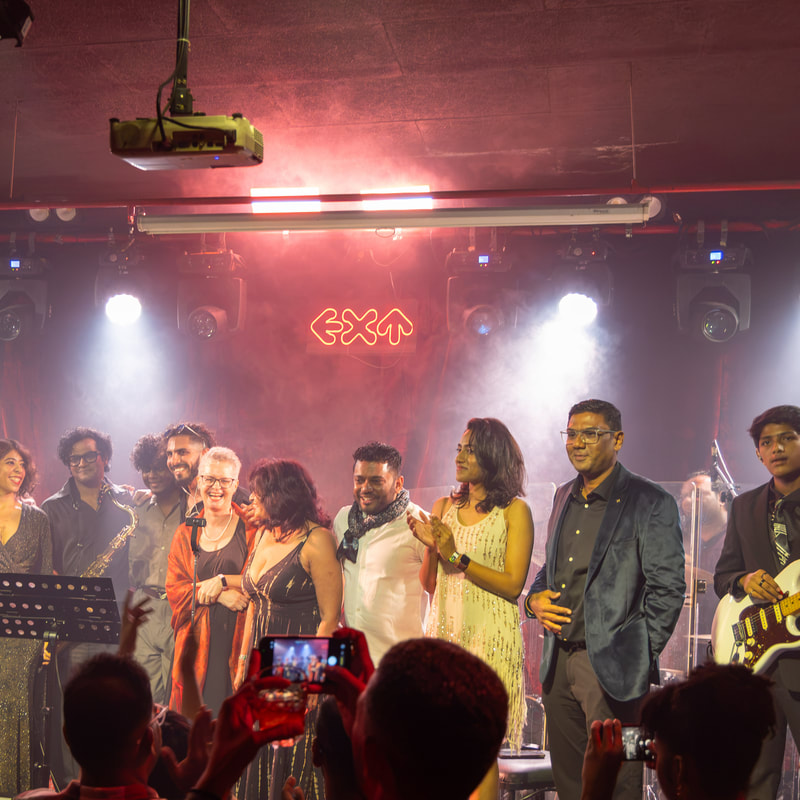
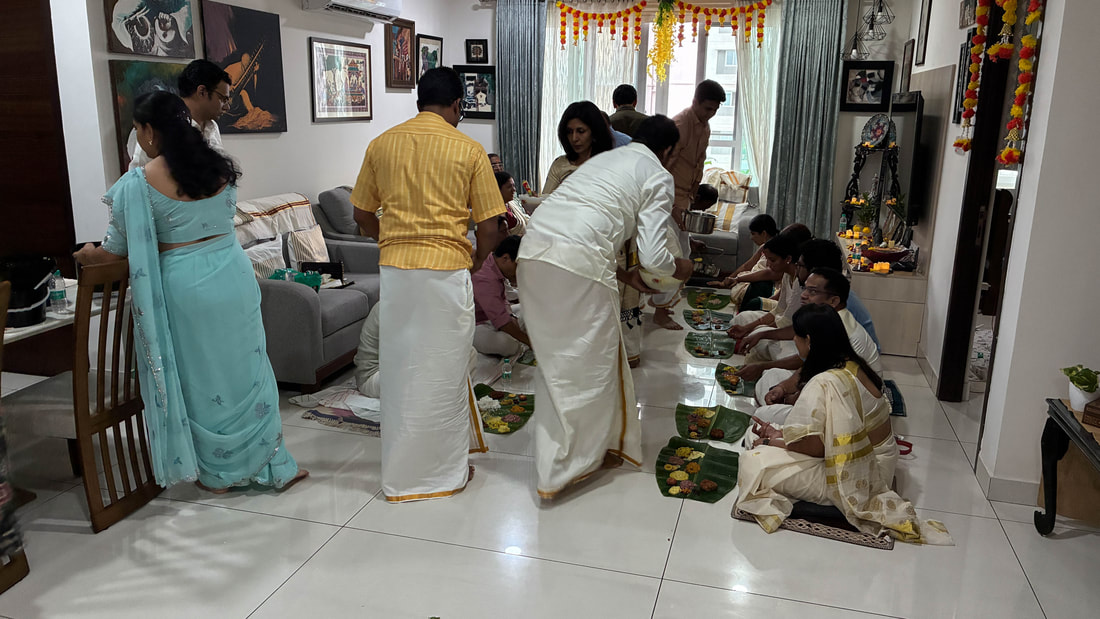
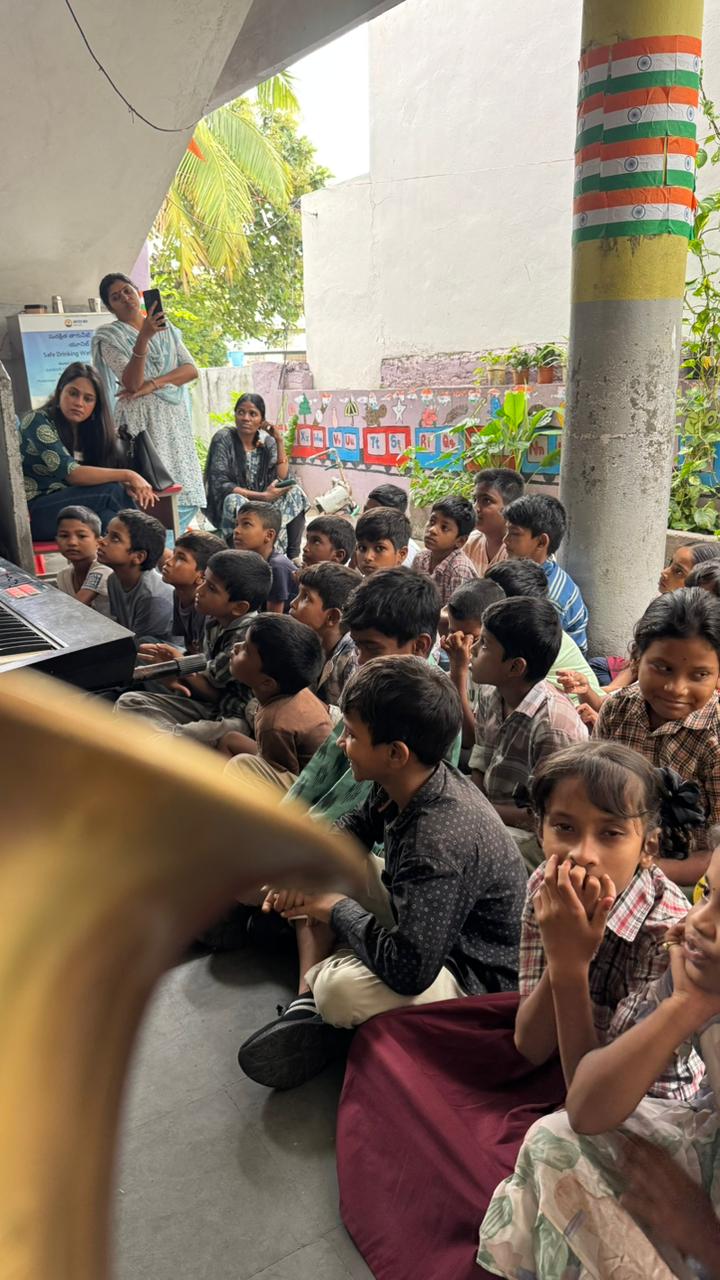
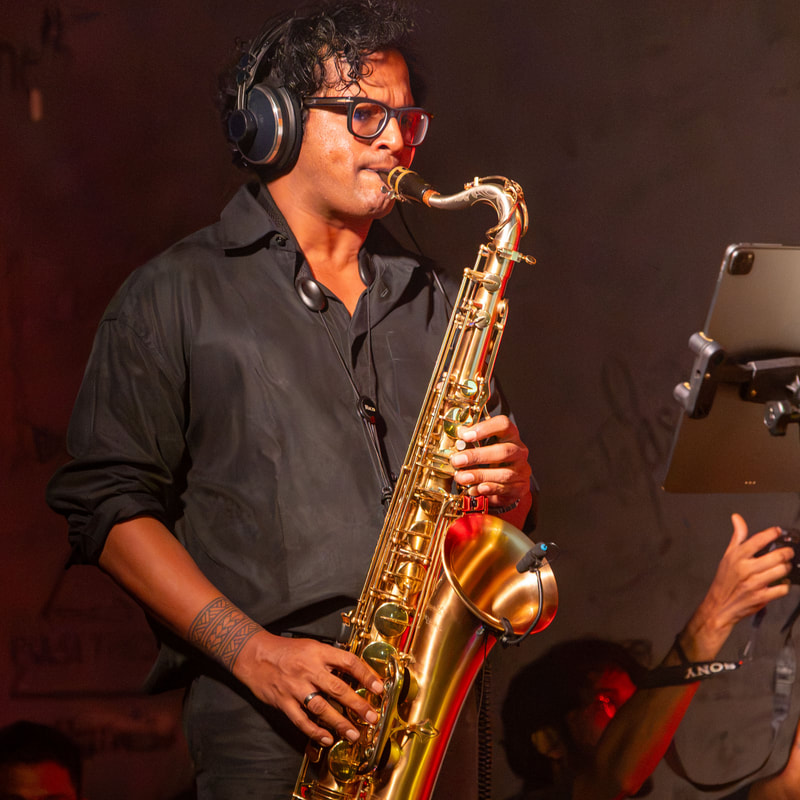
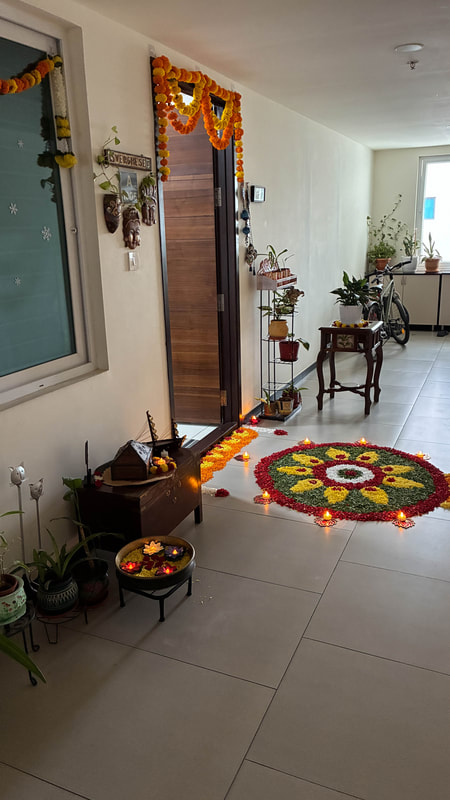
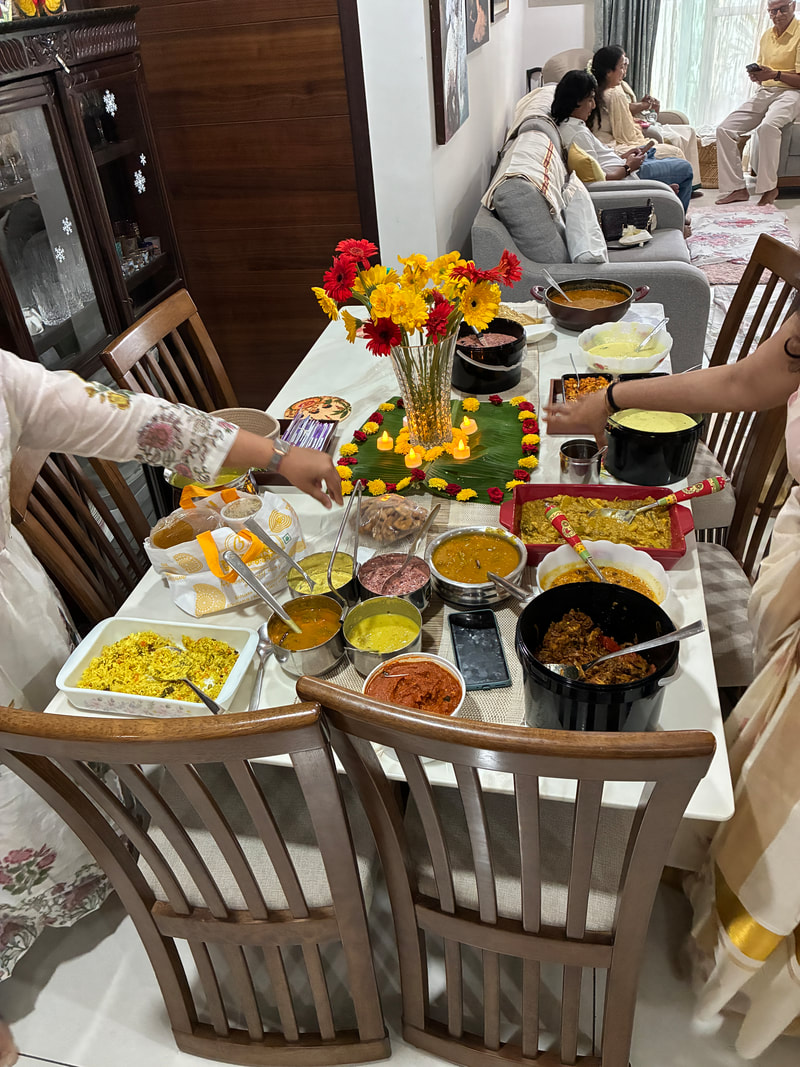
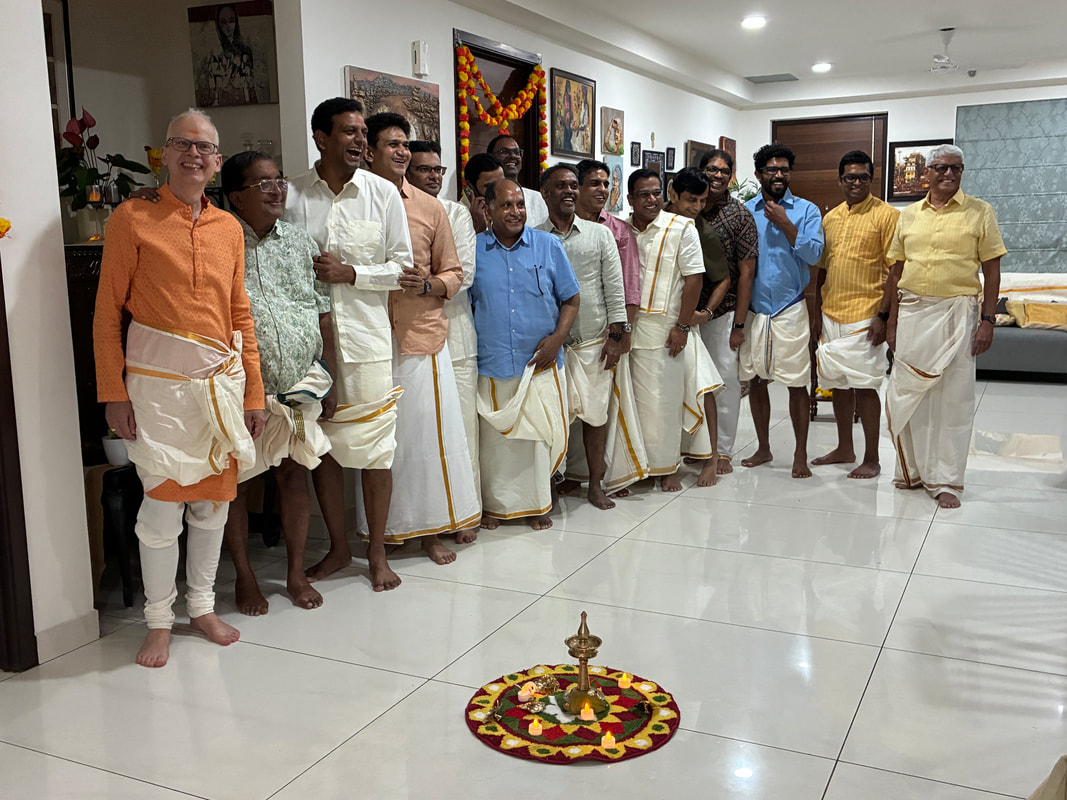
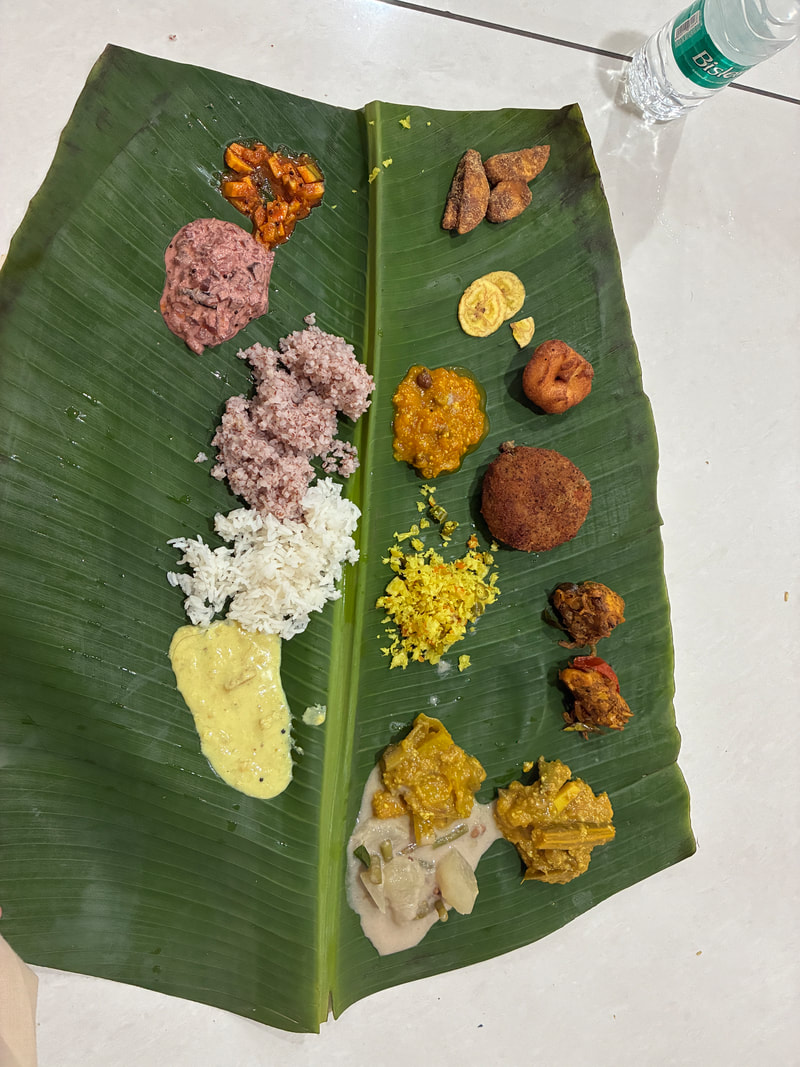
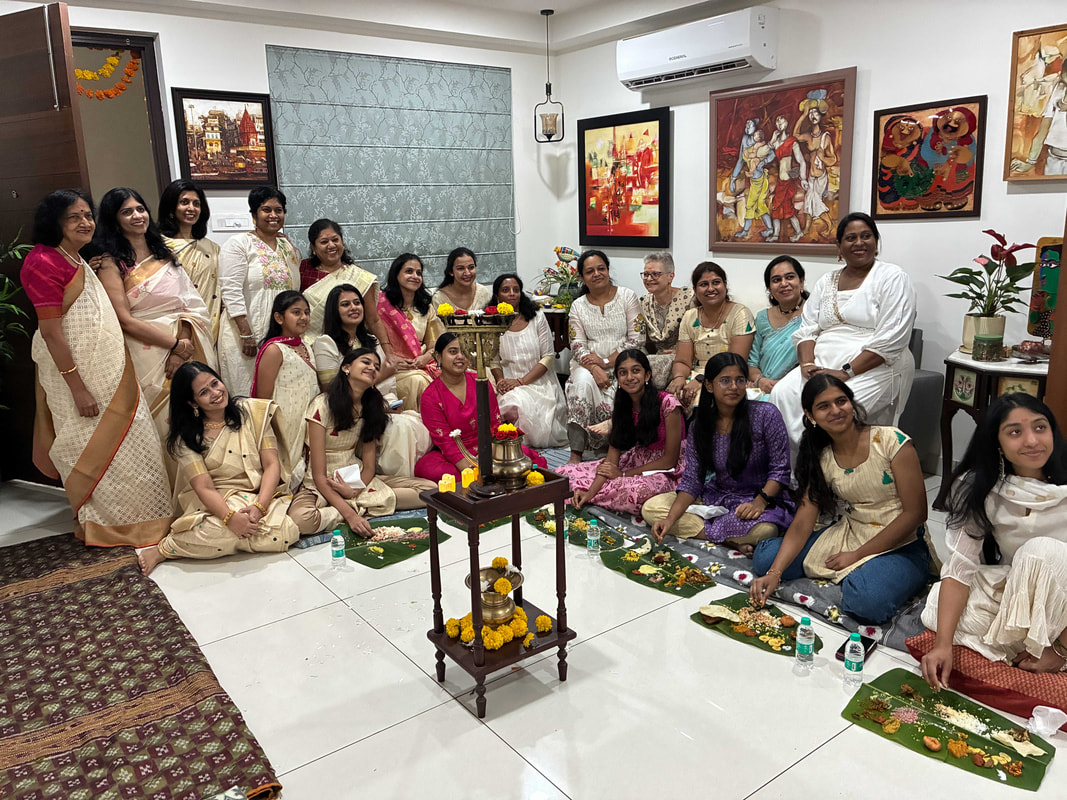
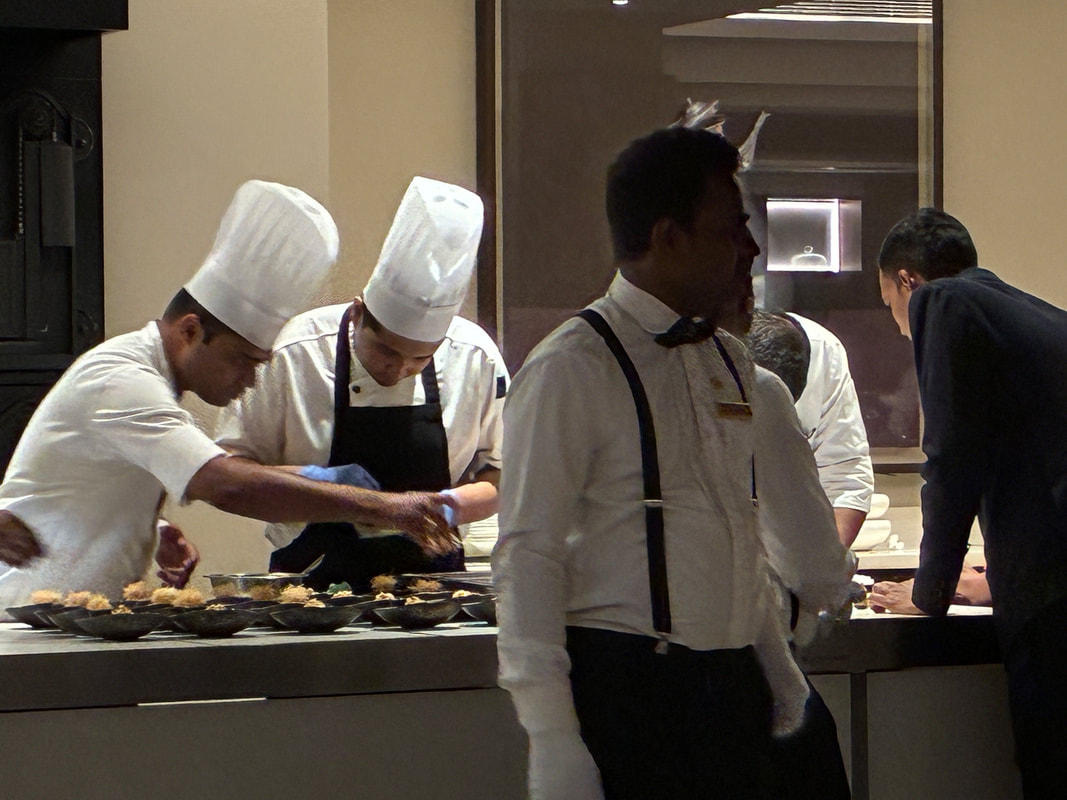
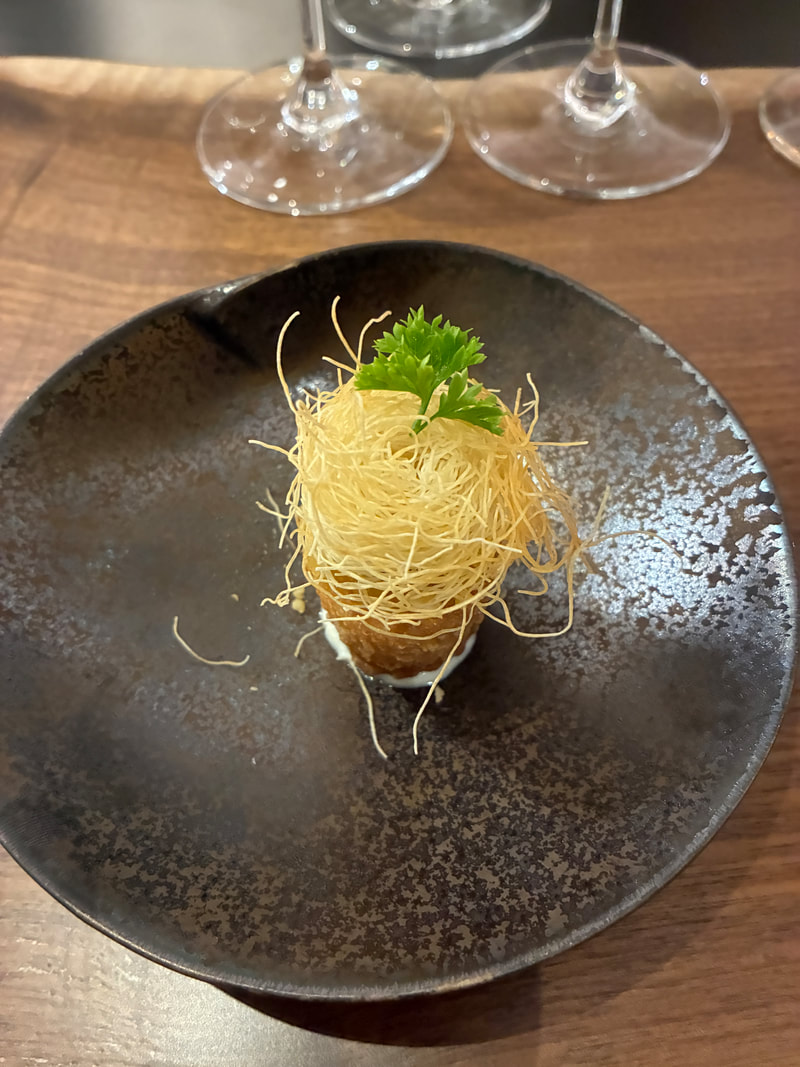
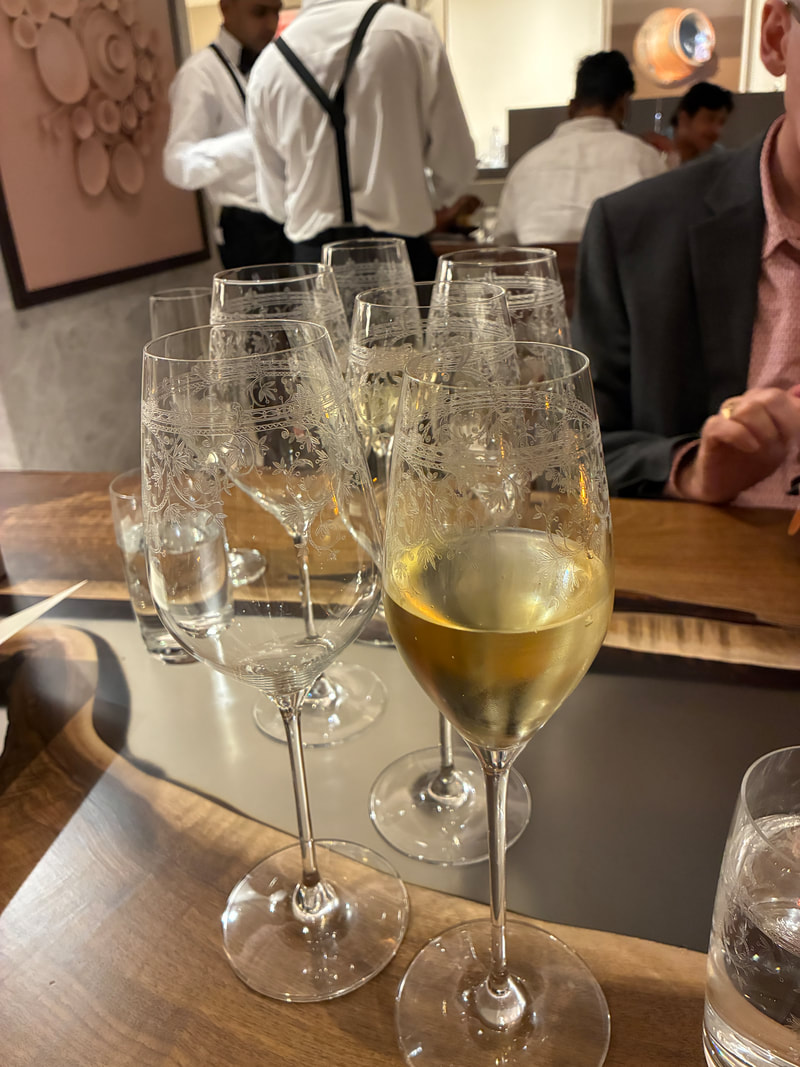
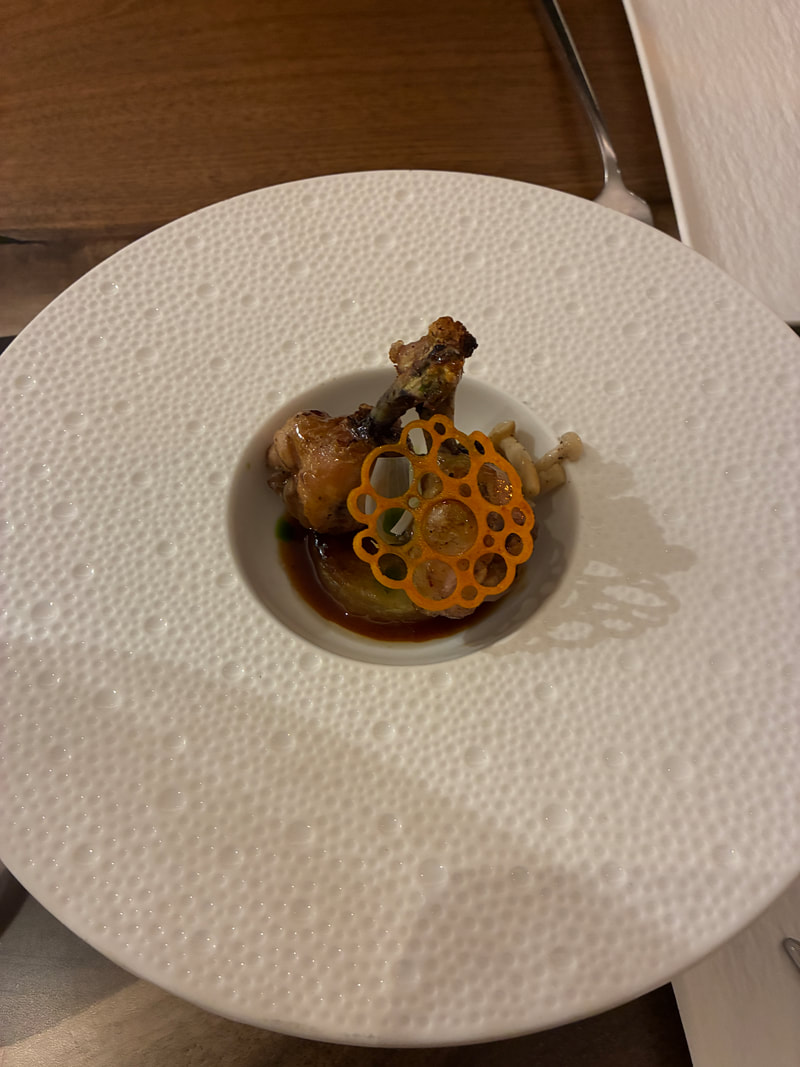
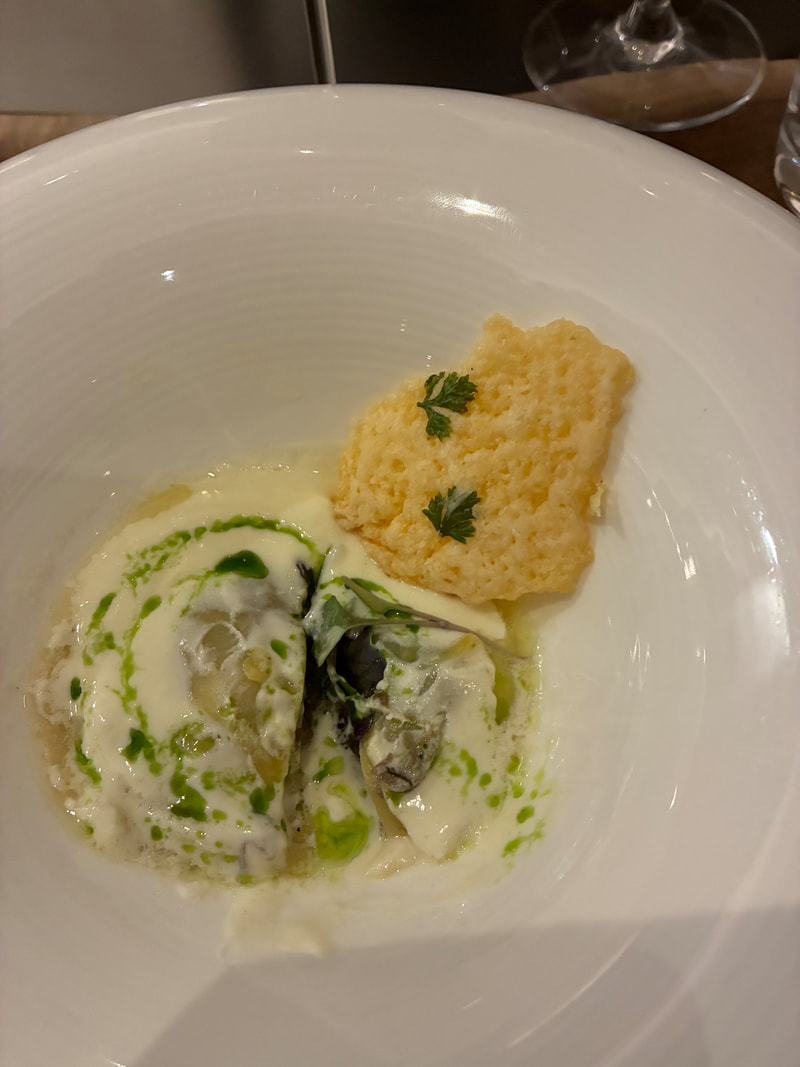
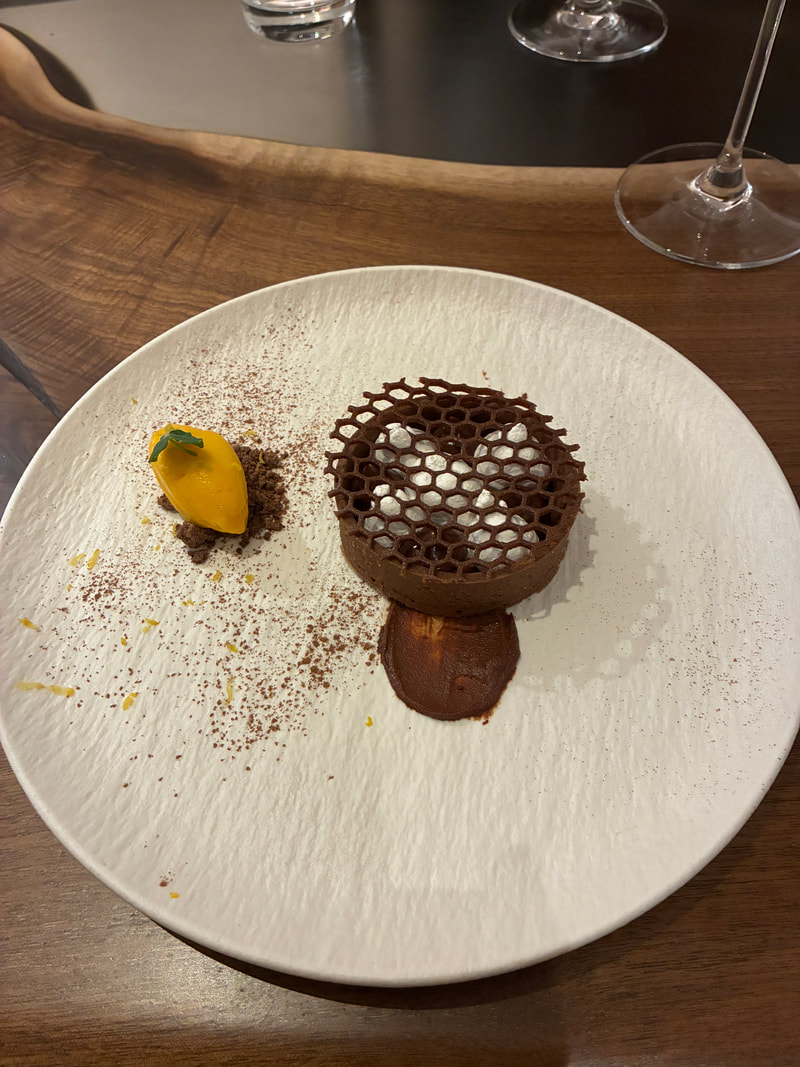
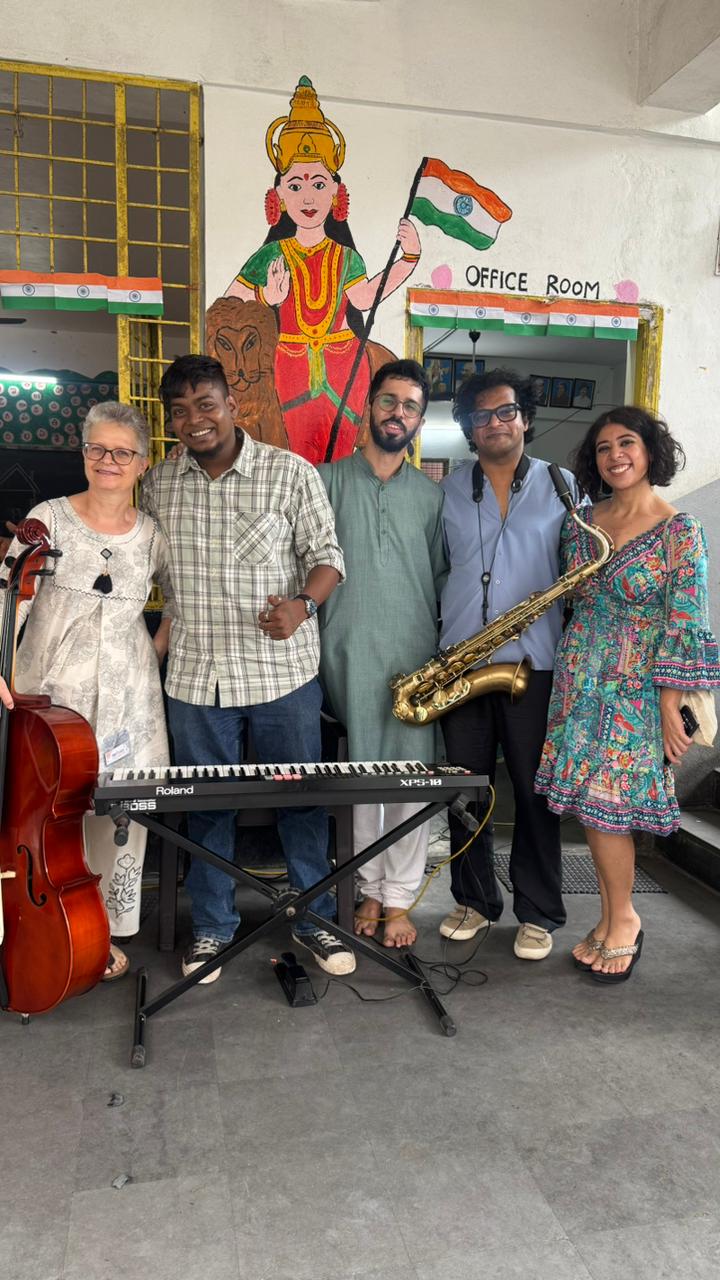
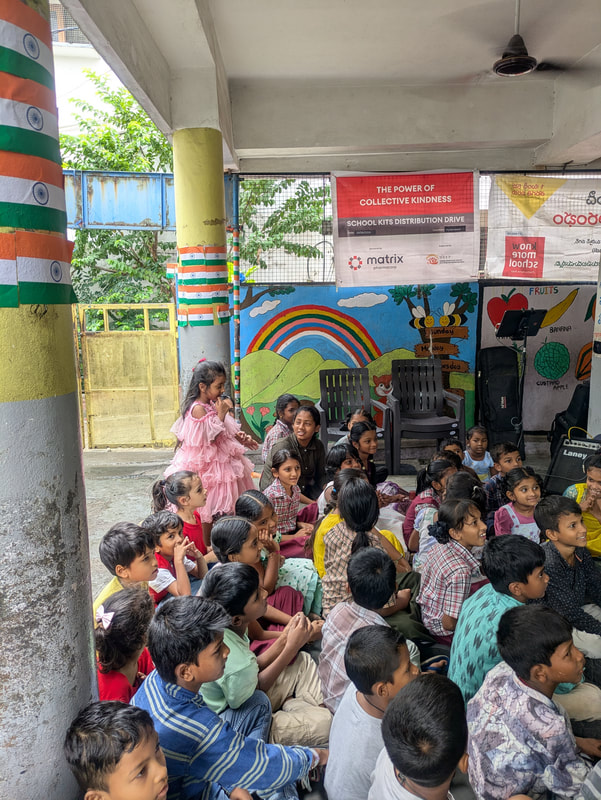
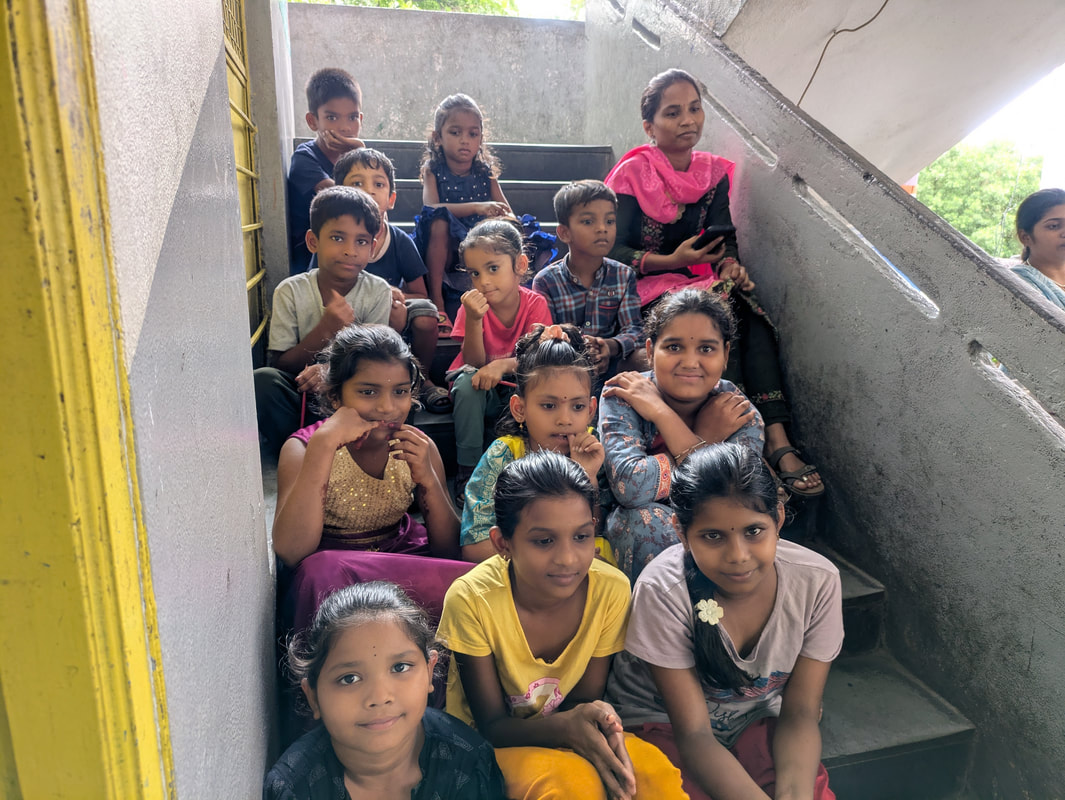
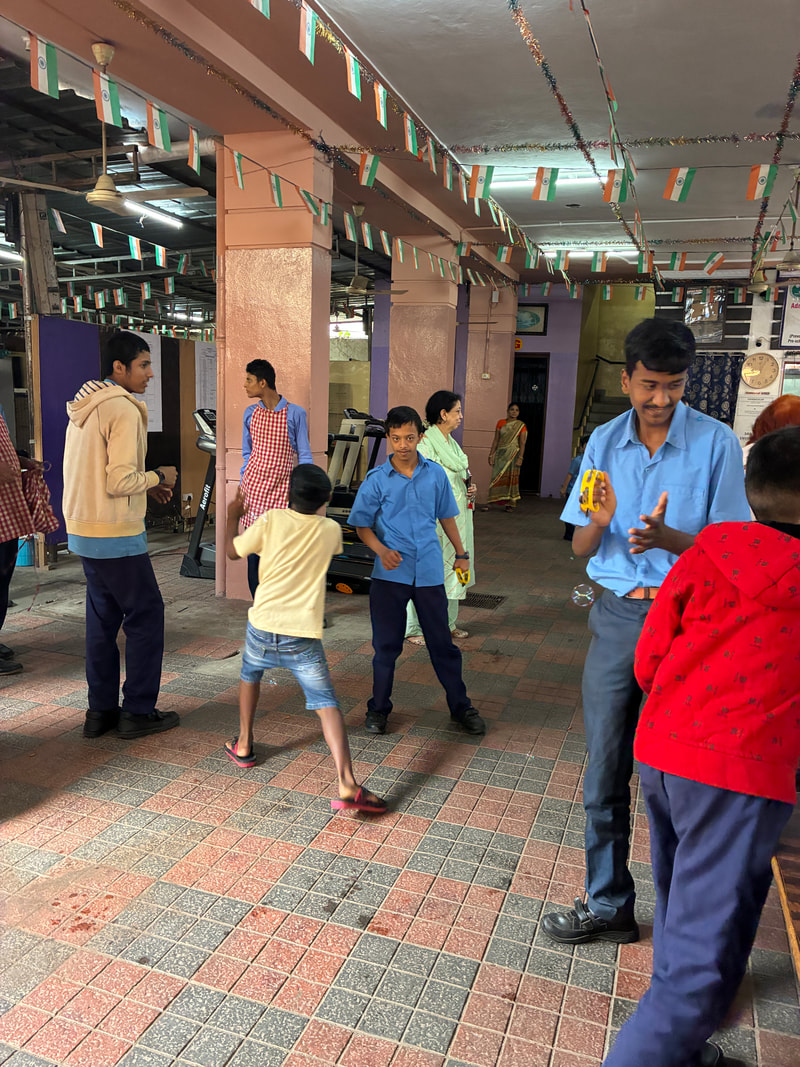
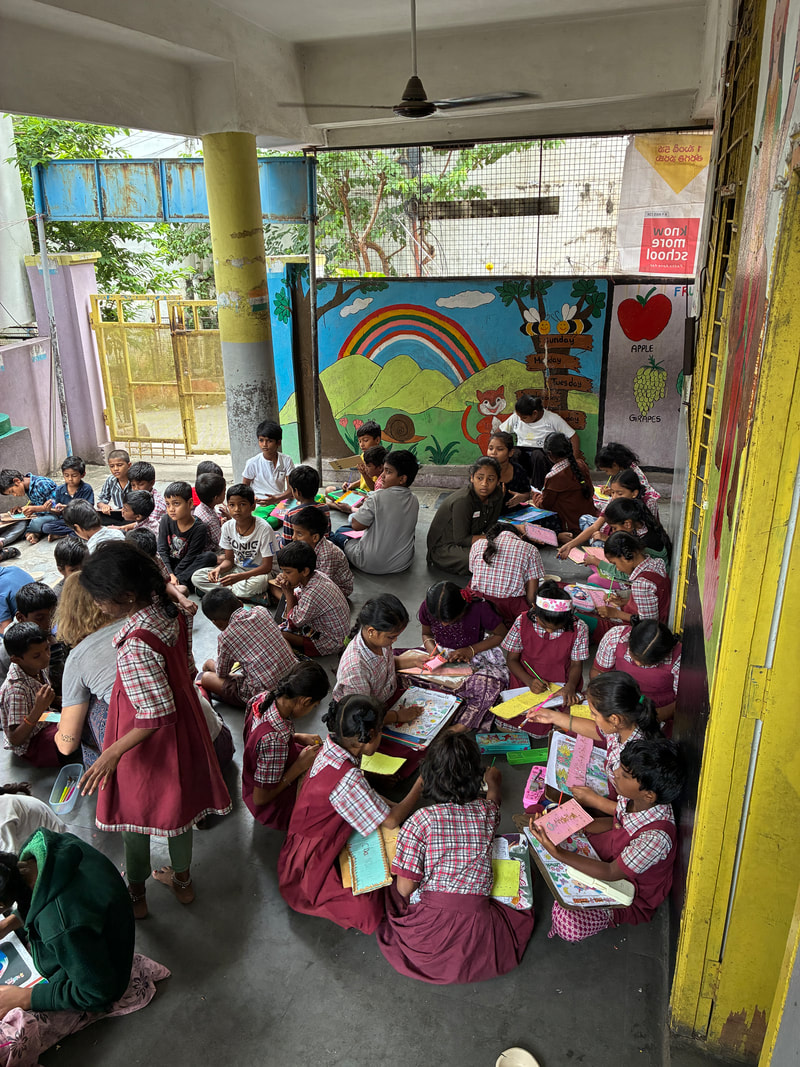
Was ist so passiert in letzter Zeit? Wir hatten wieder einen "Velvet Grind" Abend mit unserem George Hull Collective, d.h. Konzert im Club, danach DJ und viel getanzt. Das war an einem Samstagabend und hat Spass gemacht. Am Sonntag danach waren wir bei einem benachbarten Ehepaar eingeladen, das aus Kerala stammt. Sie haben "Onam", ein Erntedankfest, gefeiert. Es waren viele Nachbar*innen anwesend, so dass wir einige davon nun etwas besser kennen. Man kleidet sich traditionell in weiss und gold, die Frauen im Sari und die Männer mit Dhoti (ein Stück Stoff, dass Mann sich um Hüfte und Beine bindet) - das wussten wir natürlich nicht früh genug. Die Dekoration ist wunderschön mit Blumen und Öllampen (heutzutage eher elektrisches Licht), und man isst am Boden auf Bananenblättern ein Mahl, das aus vielen verschiedenen Gerichten besteht. Das Essen wird in Gruppen serviert: zuerst die Kinder, dann die Teenies, danach die Erwachsenen in zwei Gruppen. Die Essenden werden von denen bedient, die nicht essen (tendenziell von den Frauen, aber nicht nur) und alle helfen mit. Die Speisen waren köstlich und die Stimmung fröhlich. Wir haben den Mittag - Nachmittag sehr genossen. Vorletzten Samstag waren wir an einem Workshop von unserem Saxophonisten-Freund George über "Jazz und Animé" und danach an einem Gourmet-Abendessen mit dazugehörenden Weinen. Sehr lecker! Letzte Woche schliesslich haben wir in der Primarschule mit dem Musikprogramm gestartet. Das ist im Rahmen der Freiwilligenarbeit und wieder ist George derjenige, der es organisiert (mit tatkräftiger Unterstützung von anderen). Wir möchten den unterprivilegierten Kindern Musik beibringen und dann denjenigen, die Lust und Talent haben, die Möglichkeit geben, ein Blasinstrument zu lernen. Wir haben mit den Kindern gesungen, Cello und Sax vorgestellt und auf diese Art einen ersten Nachmittag mit ihnen verbracht. Ab nächster Woche wird es etwas "seriöser": unsere französische Freundin, die Musiklehrerin ist, hat ein Programm vorbereitet, das sie laufend anpassen kann. Damit lernen die Kinder gezielt Musik und einiges, das dazugehört; zum Beispiel den anderen zuhören. What’s been happening recently? We had another ‘Velvet Grind’ evening with our George Hull Collective – a gig at the club, followed by a DJ set and lots of dancing. It was on a Saturday evening and we had a great time. The following Sunday, we were invited to a neighbouring couple’s house – they’re originally from Kerala. They were celebrating ‘Onam’, a harvest festival. Lots of neighbours were there, so we’ve now got to know some of them a bit better. Traditionally, people dress in white and gold – the women in saris and the men in dhotis (a piece of cloth tied around the hips and legs) – though, of course, we didn’t realise this until it was too late. The decorations are beautiful, with flowers and oil lamps (though these days it’s mostly electric lighting), and everyone eats a meal consisting of many different dishes on the floor, served on banana leaves. The food is served in groups: first the children, then the teenagers, followed by the adults in two groups. Those eating are served by those who aren’t eating (tend to be the women, but not exclusively) and everyone pitches in. The food was delicious and the atmosphere cheerful. We thoroughly enjoyed the midday and afternoon. The Saturday before last, we attended a workshop run by our saxophonist friend George on ‘Jazz and Anime’, followed by a gourmet dinner with accompanying wines. Absolutely delicious! Finally, last week we launched the music programme at the primary school. This is in the frame of our voluntary work, and once again George is the one organising it (with active support from others). We want to teach music to underprivileged children and then give those who have the desire and talent the opportunity to learn a wind instrument. We sang with the children, introduced them to the cello and the saxophone, and spent the first afternoon with them. From next week on, things will get a bit more ‘serious’: our French friend, who is a music teacher, has prepared a programme that she can adapt as she goes along. This will enable the children to learn music in a structured way, along with some of the skills that go with it – such as listening to others. Our gourmet dinner in the pop-up restaurant Raën – The Chef's Studio Qu'est-ce qui s'est passé ces derniers temps ? Nous avons de nouveau organisé une soirée « Velvet Grind » avec notre George Hull Collective : un concert au club, suivi d'une session DJ et de beaucoup de danse. C'était un samedi soir et on s'est bien amusés. Le dimanche suivant, nous étions invités chez un couple de voisins originaire du Kerala. Ils fêtaient « Onam », une fête des récoltes. De nombreux voisins étaient présents, ce qui nous a permis de mieux faire connaissance avec certains d’entre eux. On s’habille traditionnellement en blanc et or : les femmes en sari et les hommes en dhoti (un morceau de tissu que l’on noue autour des hanches et des jambes) – bien sûr, nous ne l’avons su que trop tard. La décoration est magnifique, avec des fleurs et des lampes à huile (aujourd’hui, on utilise plutôt la lumière électrique). On mange par terre, le repas est servi sur des feuilles de bananier et composé de nombreux plats différents. Le repas est servi par groupes : d’abord les enfants, puis les adolescents, et enfin les adultes répartis en deux groupes. Ceux qui mangent sont servis par ceux qui ne mangent pas (généralement les femmes, mais pas uniquement) et tout le monde met la main à la pâte. Les plats étaient délicieux et l’ambiance joyeuse. Nous avons beaucoup apprécié cette invitation. Samedi il y a une semaine, nous avons assisté à un atelier animé par notre ami saxophoniste George sur le thème « Jazz et Animé », suivi d’un dîner gastronomique accompagné de vins. Un vrai régal ! La semaine passée enfin, nous avons lancé le programme musical à l’école primaire. Cela s’inscrit dans le cadre du bénévolat et, une fois encore, c’est George qui s’en charge (avec le soutien actif d’autres personnes). Nous souhaitons initier les enfants défavorisés à la musique, puis offrir à ceux qui en ont l’envie et le talent la possibilité d’apprendre à jouer d’un instrument à vent. Nous avons chanté avec les enfants, leur avons présenté le violoncelle et le saxophone, et avons ainsi passé un premier après-midi avec eux. À partir de la semaine prochaine, les choses deviendront un peu plus « sérieuses » : notre amie française, qui est professeure de musique, a préparé un programme qu’elle pourra adapter au fur et à mesure. Les enfants apprendront ainsi la musique de manière ciblée, ainsi que certaines notions qui y sont liées, comme par exemple écouter les autres. At the primary school; our first music afternoon
0 Comments
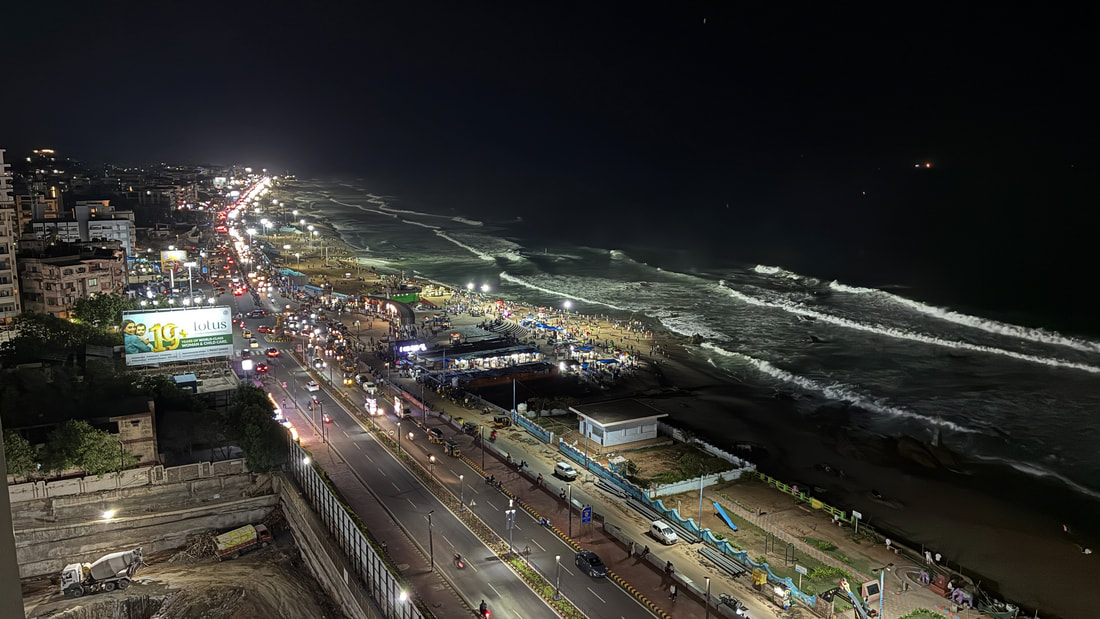
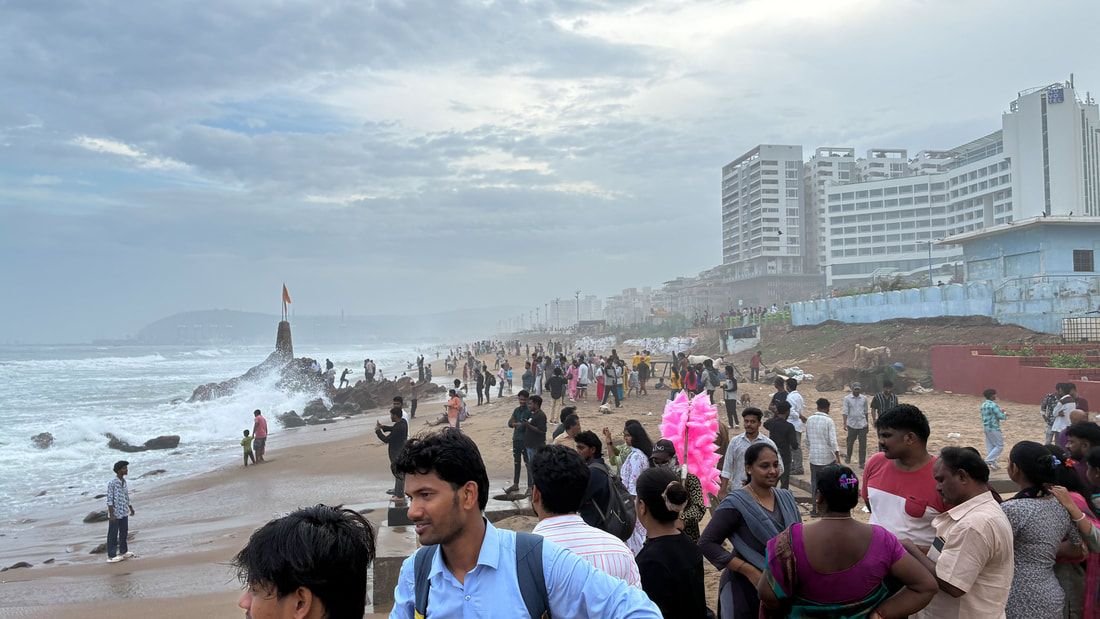
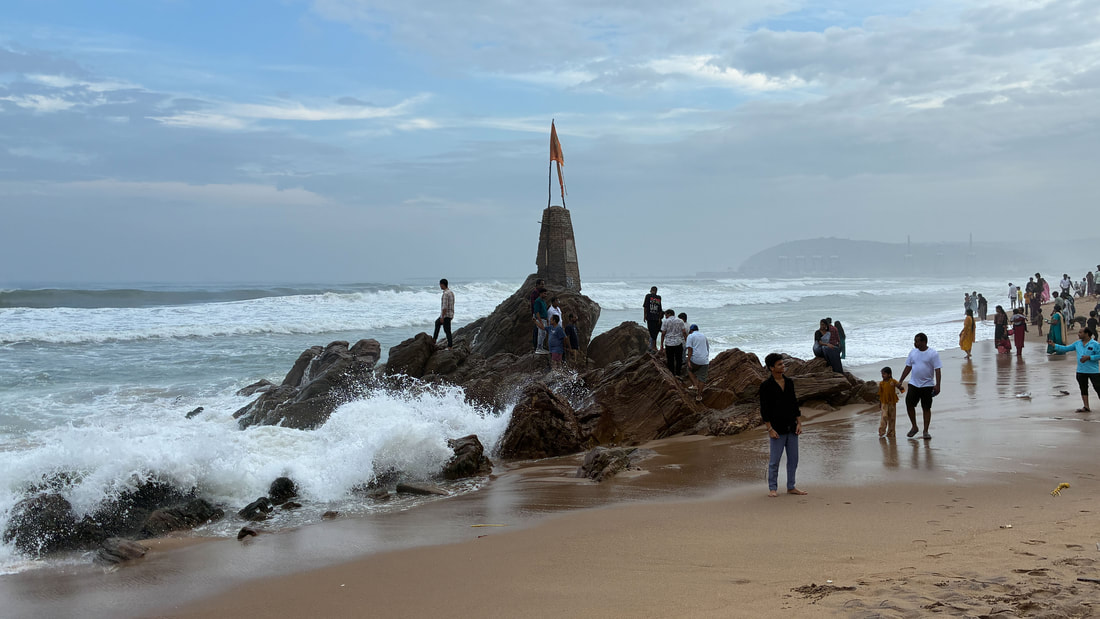
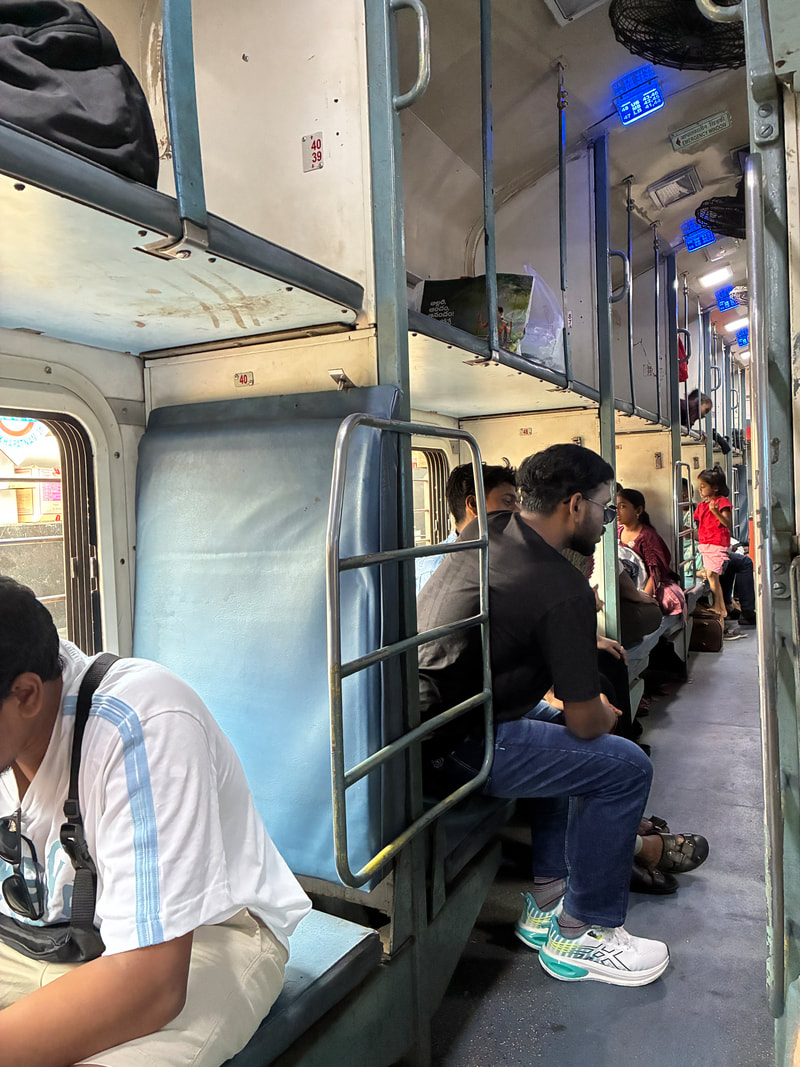
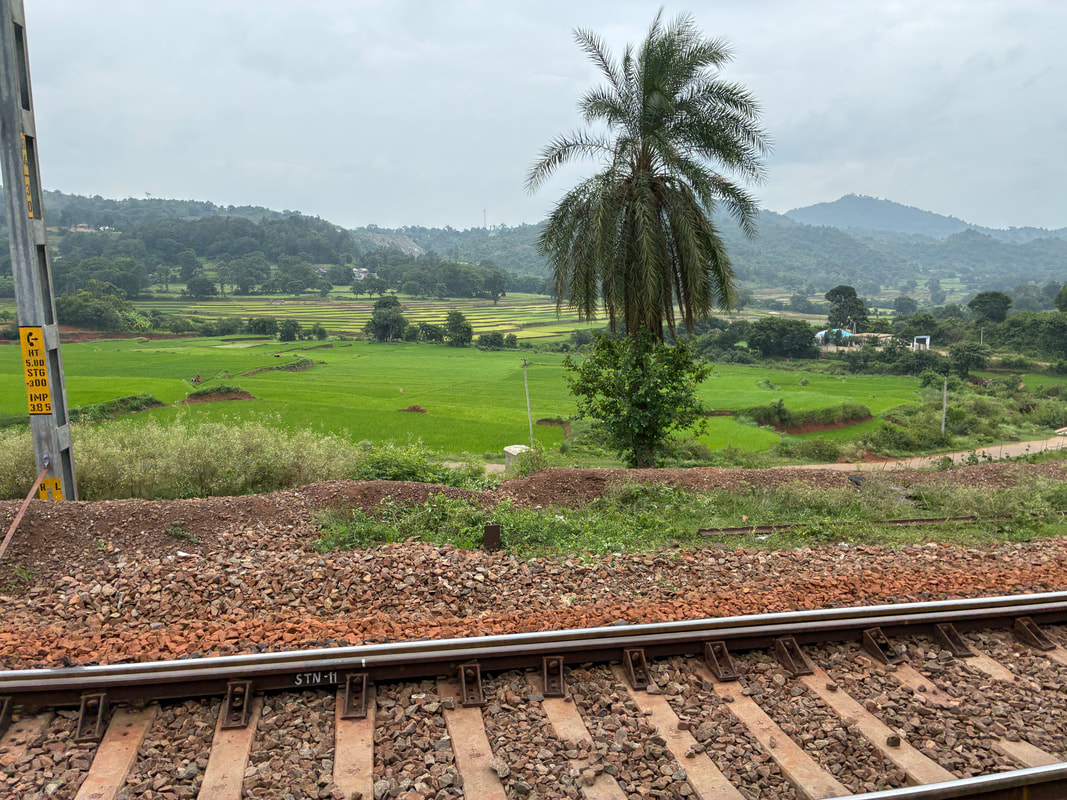
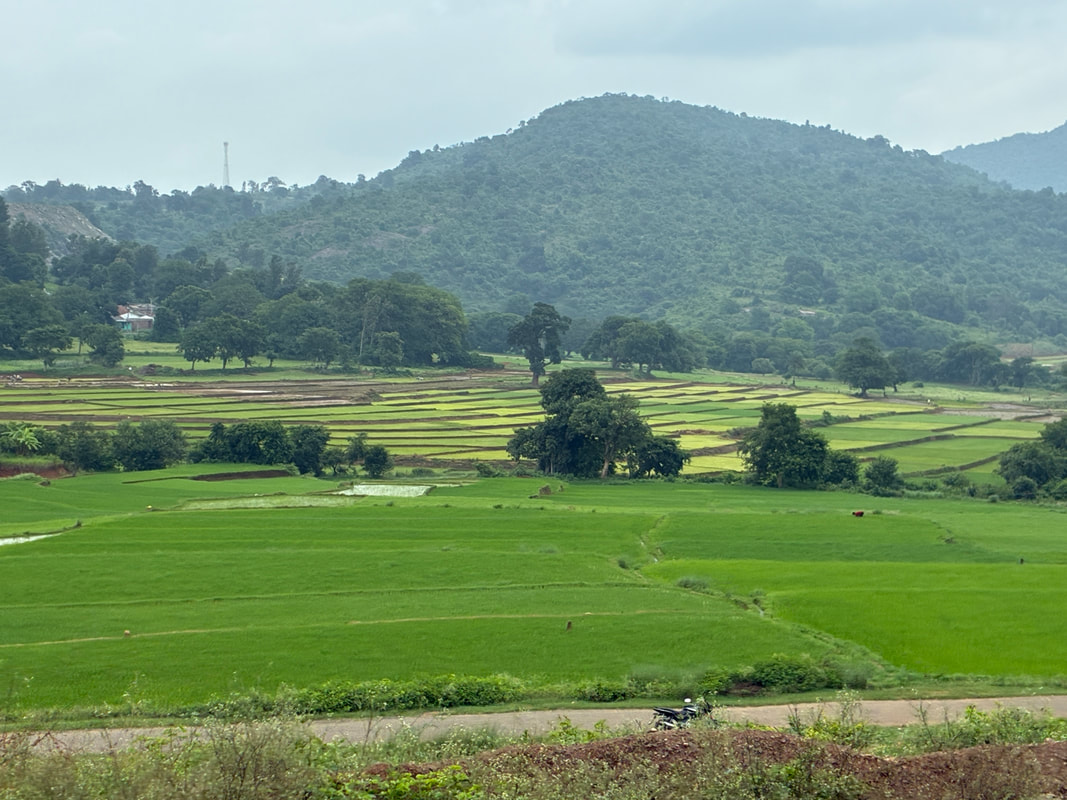
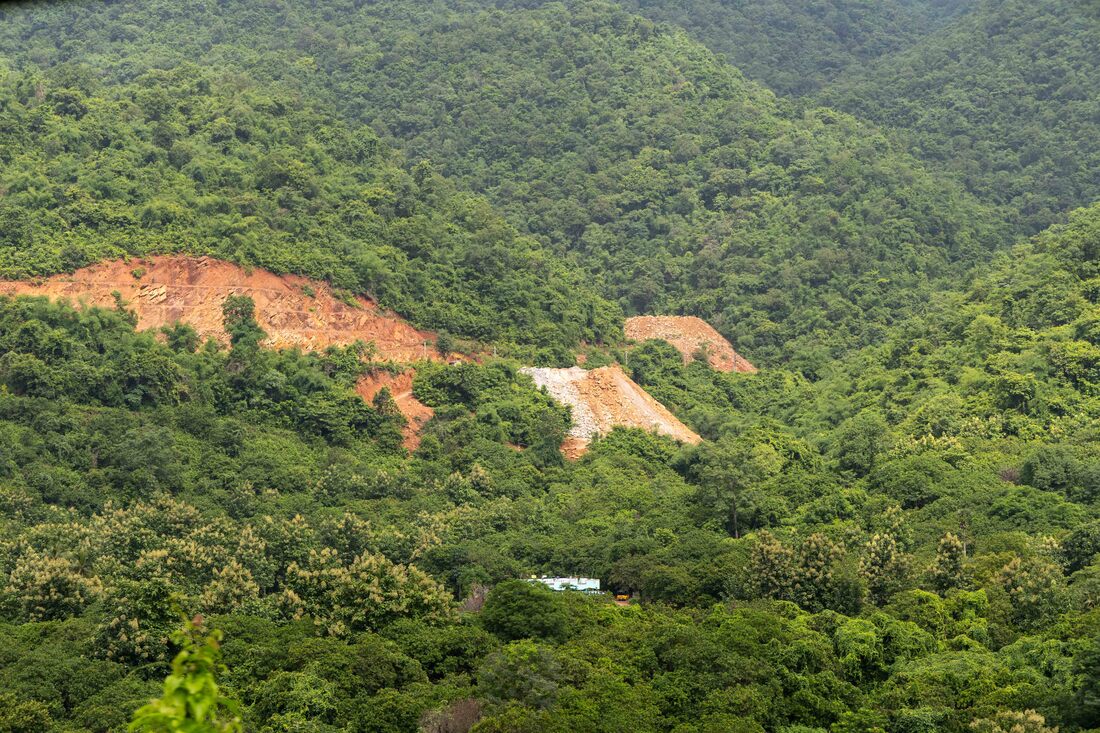
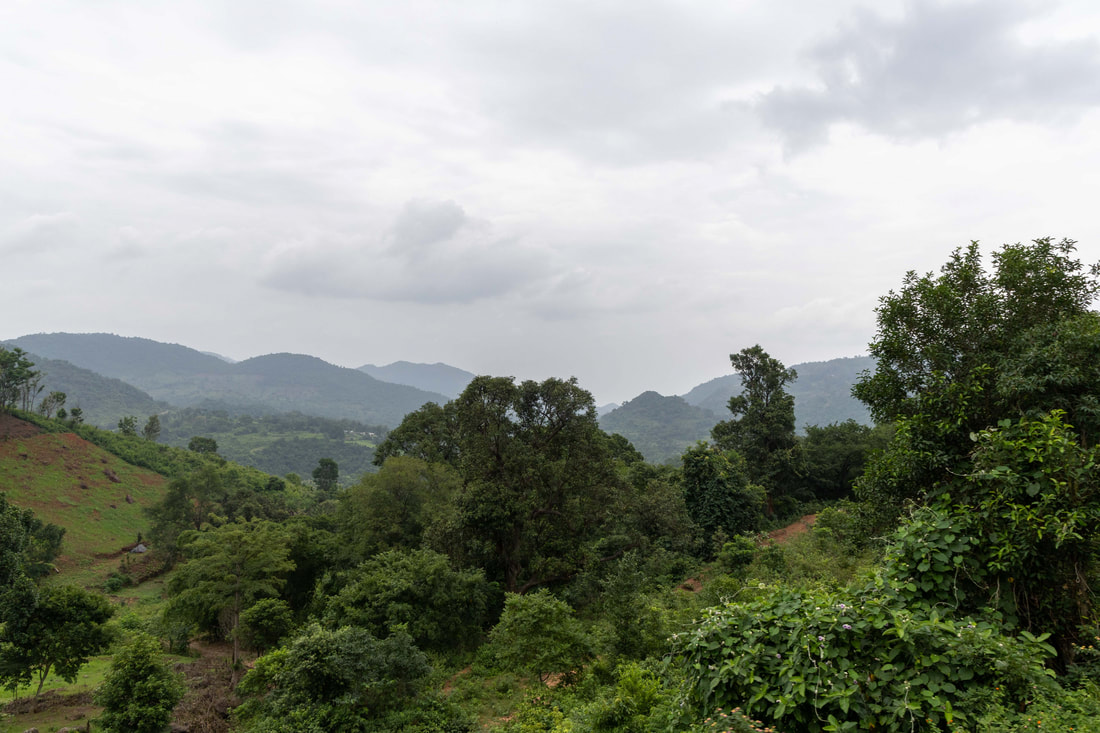
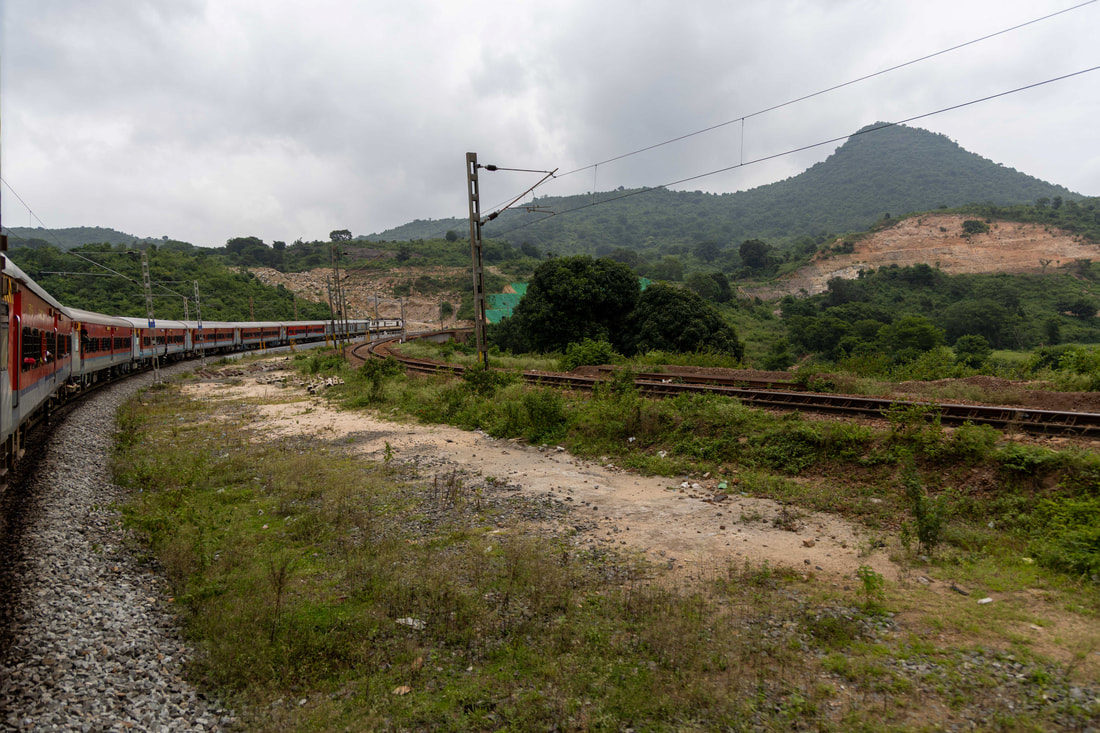
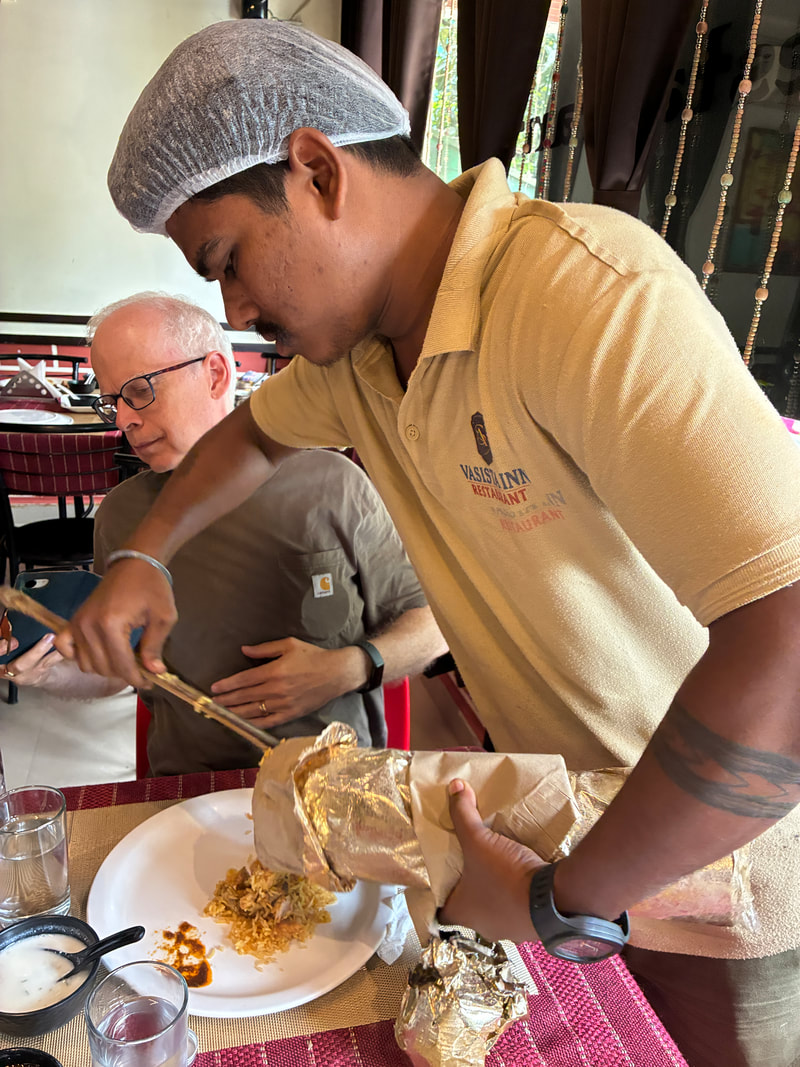
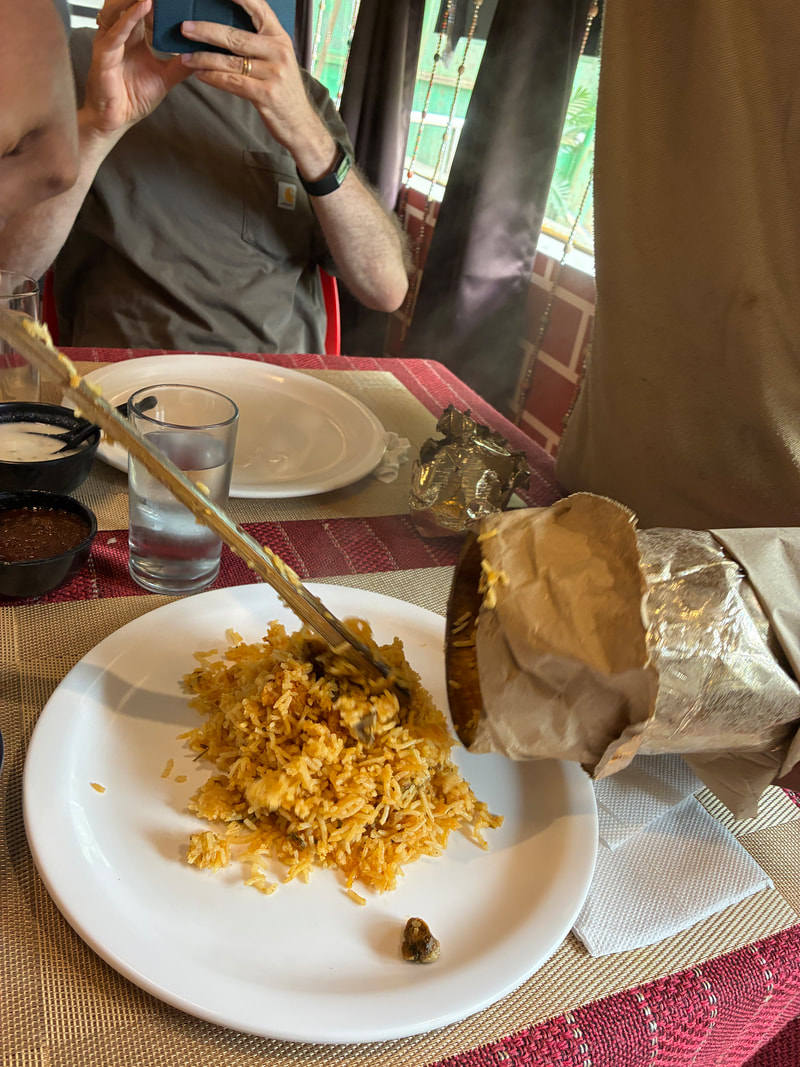
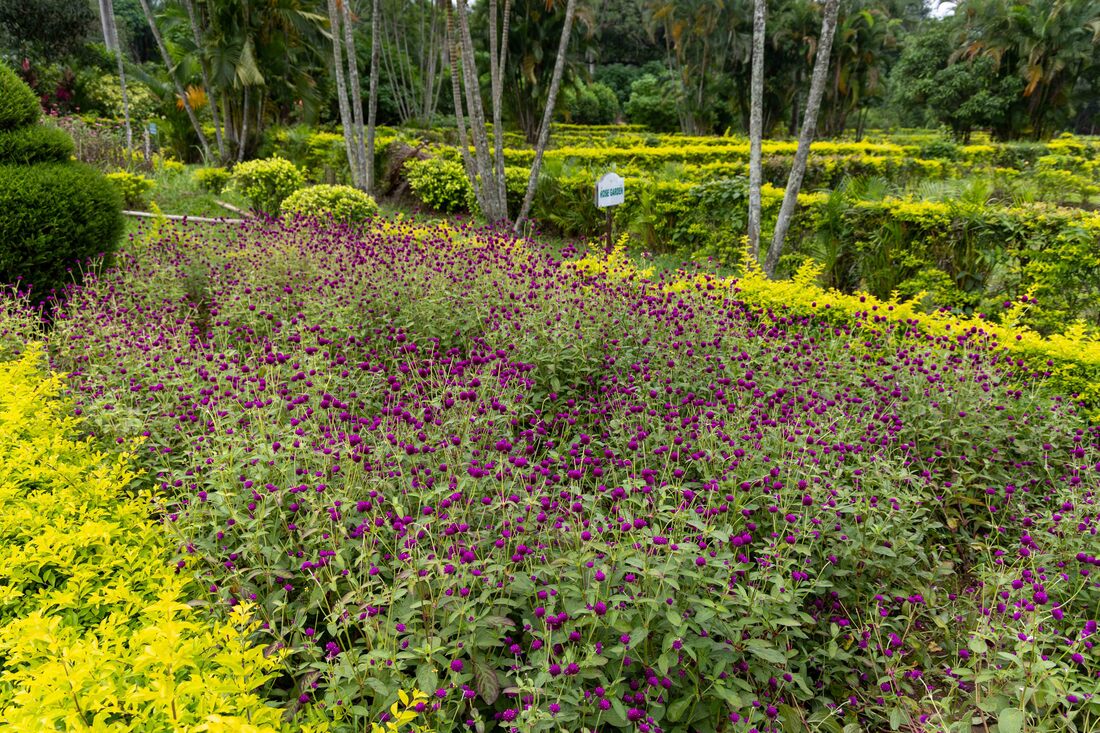
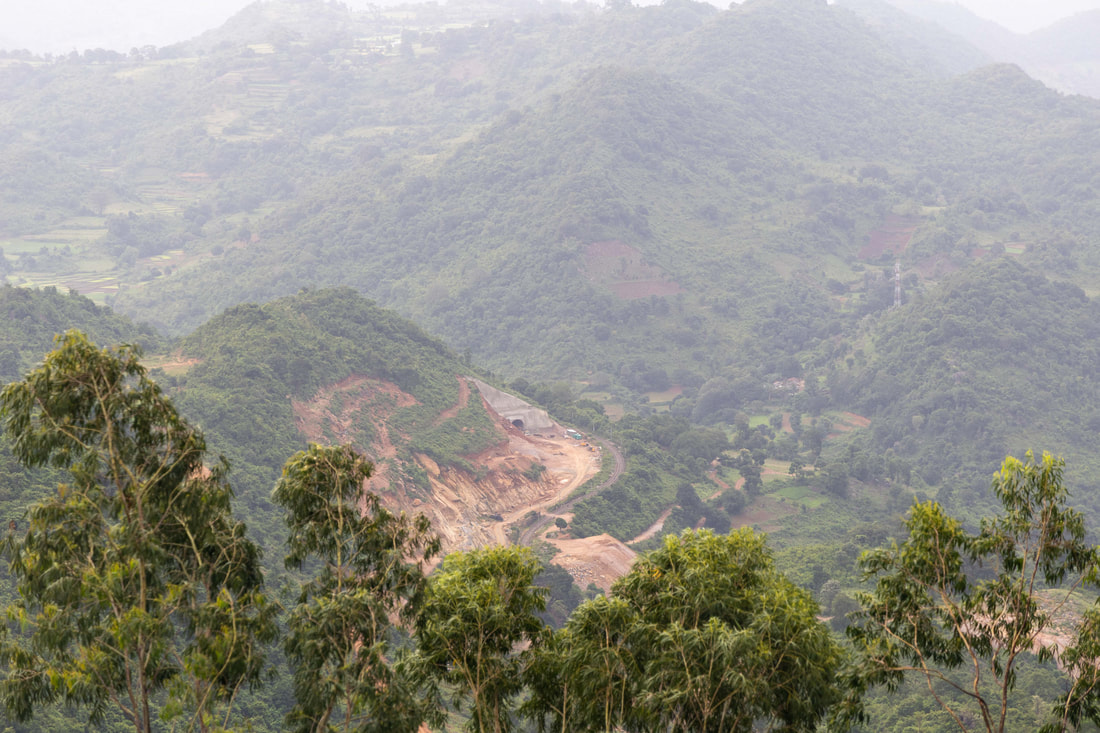
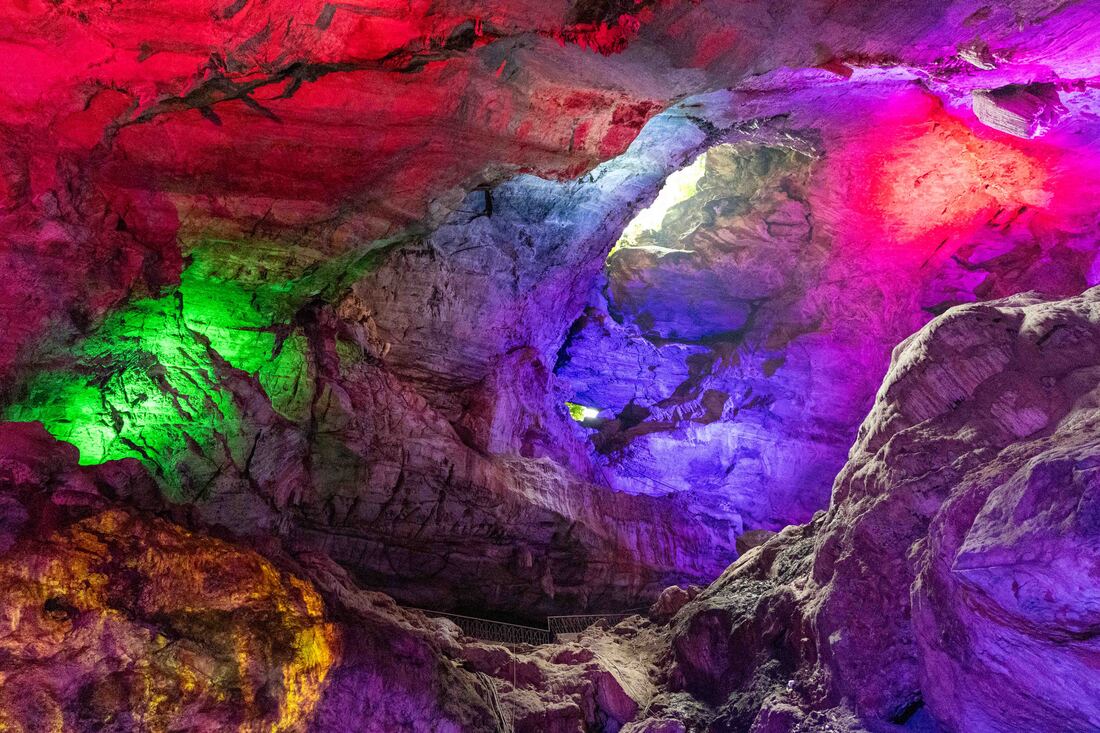
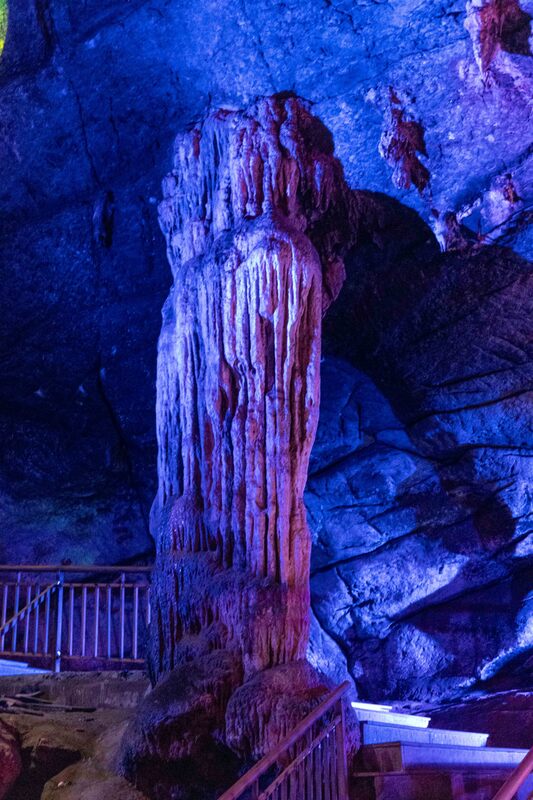
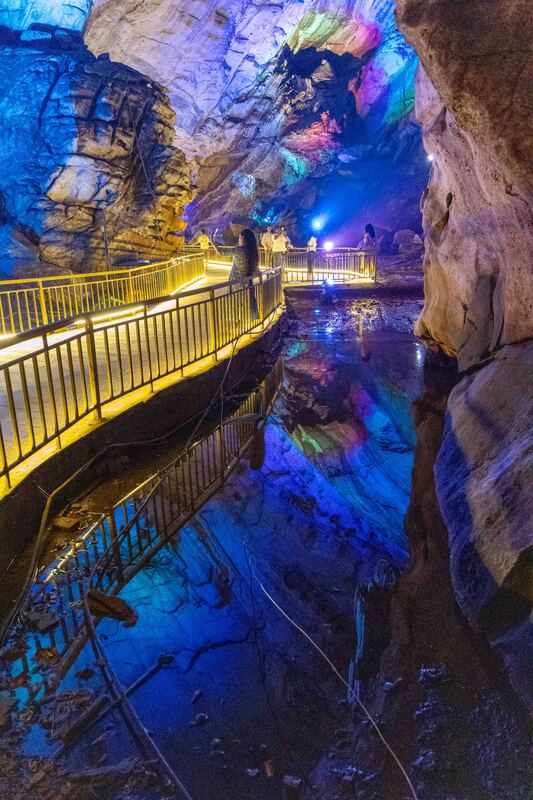
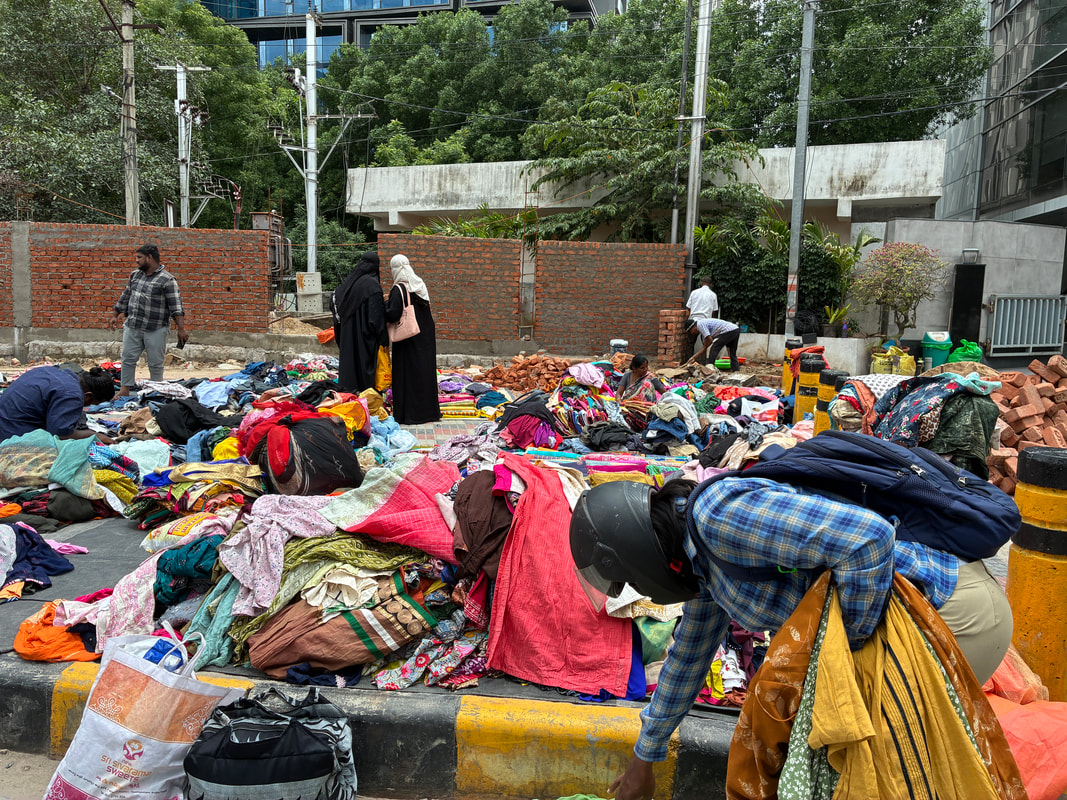
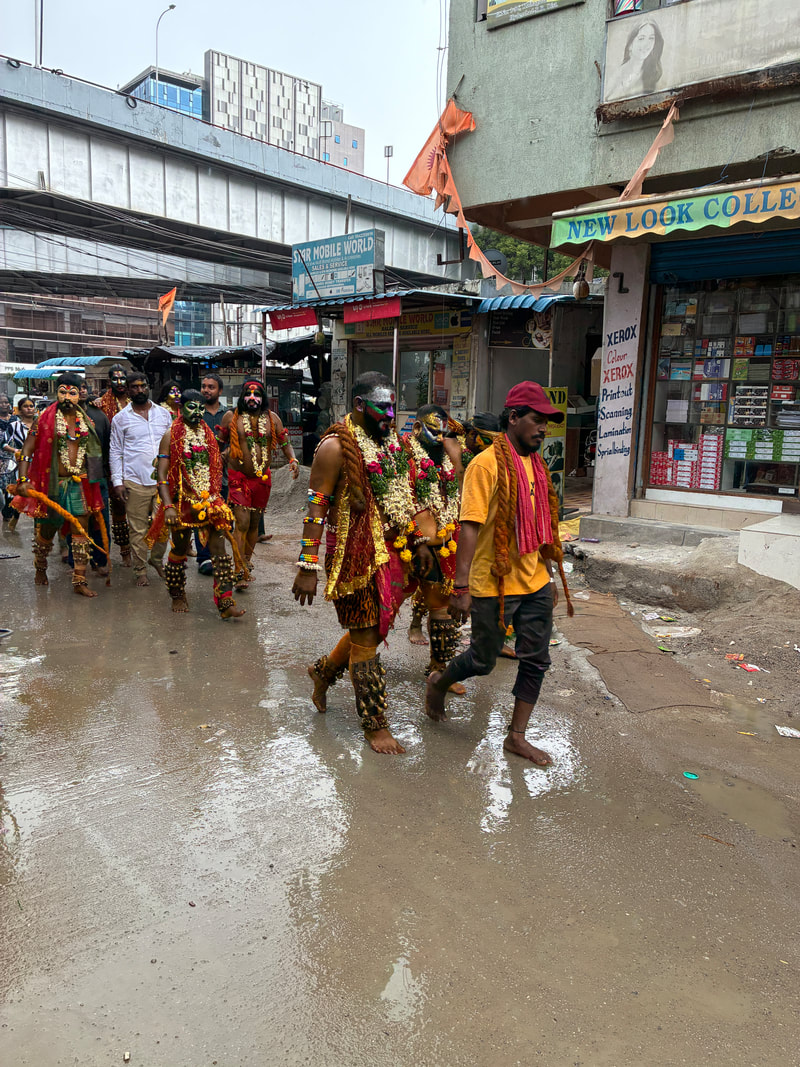
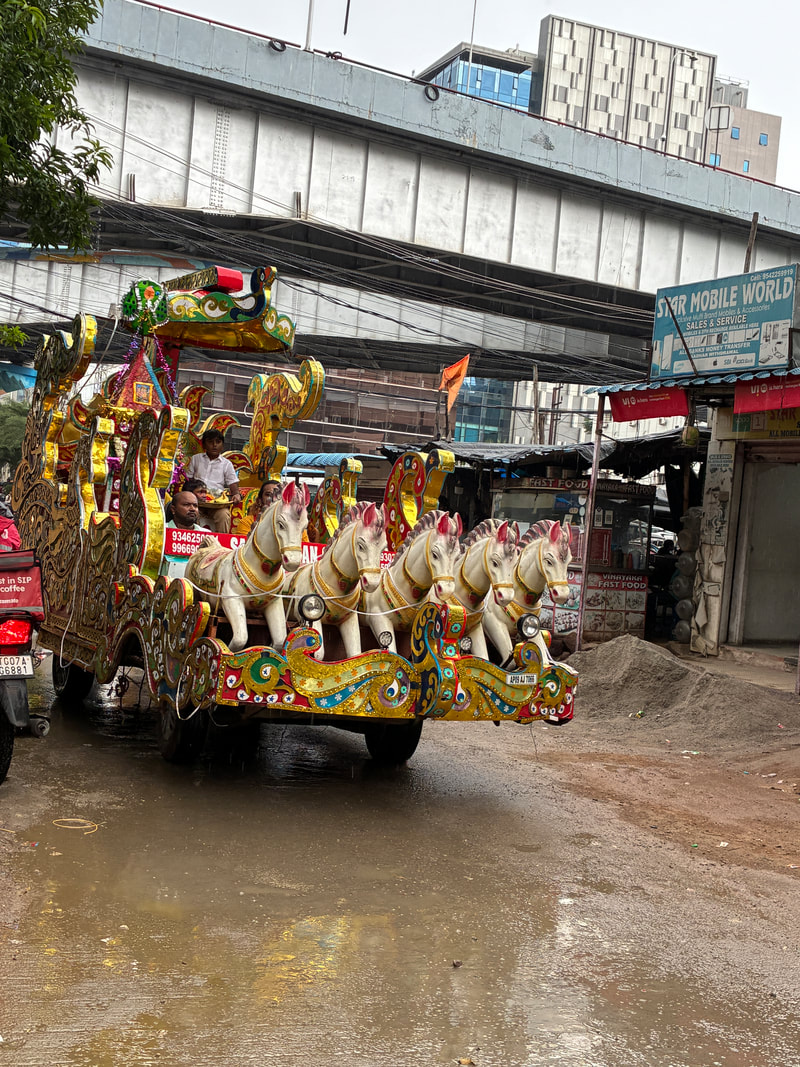
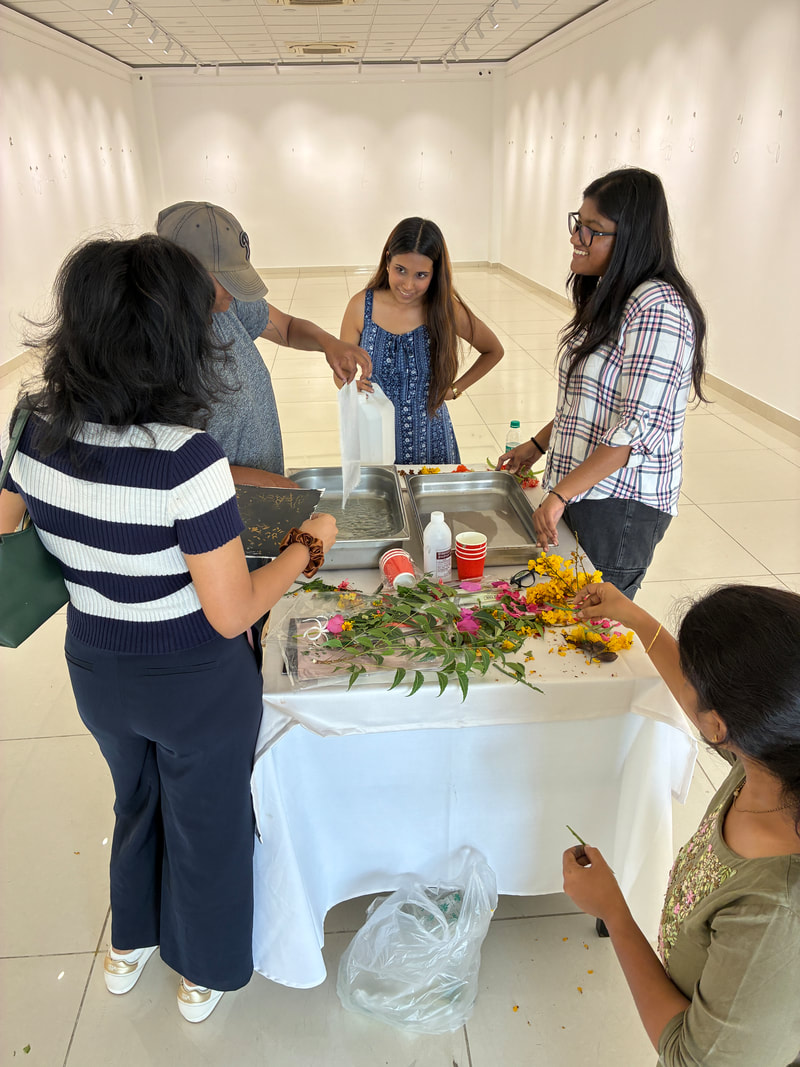
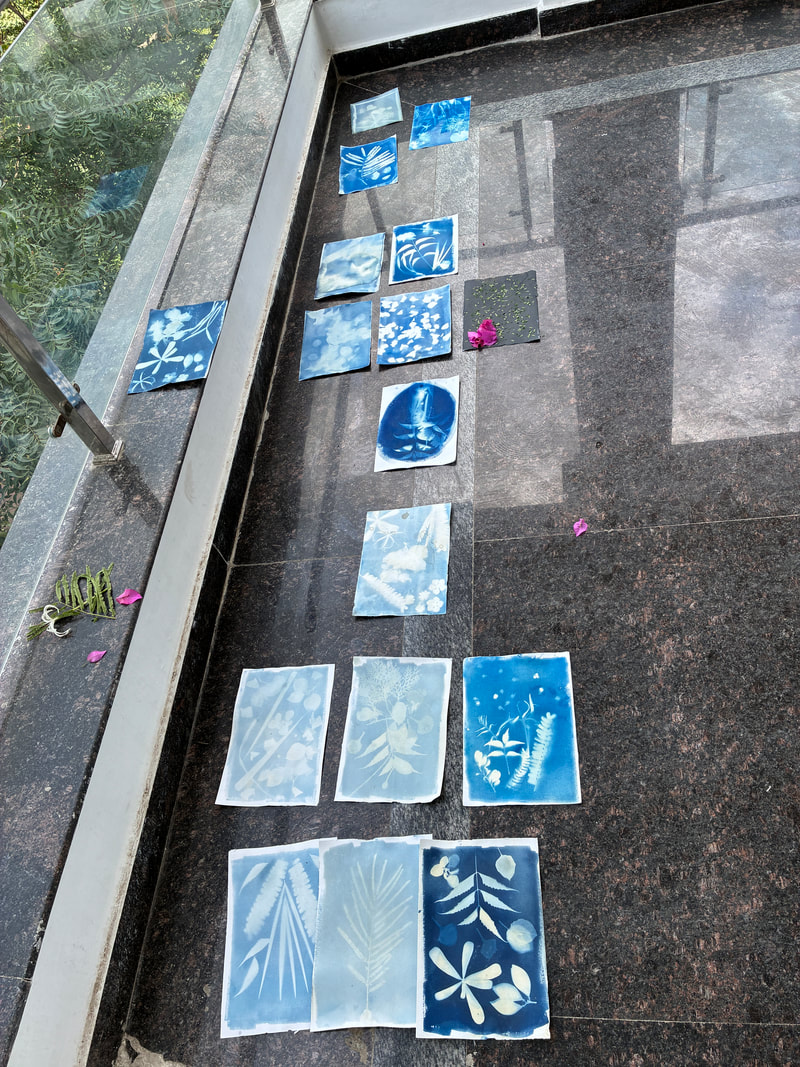
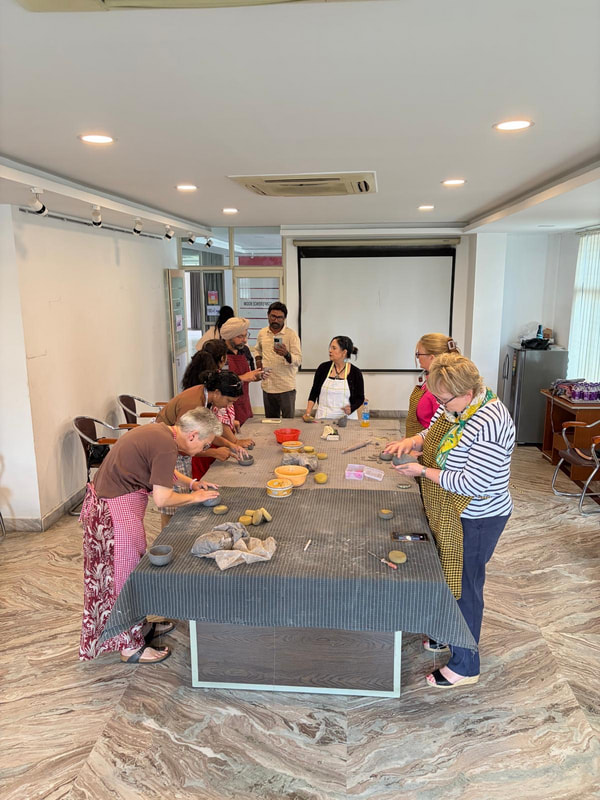
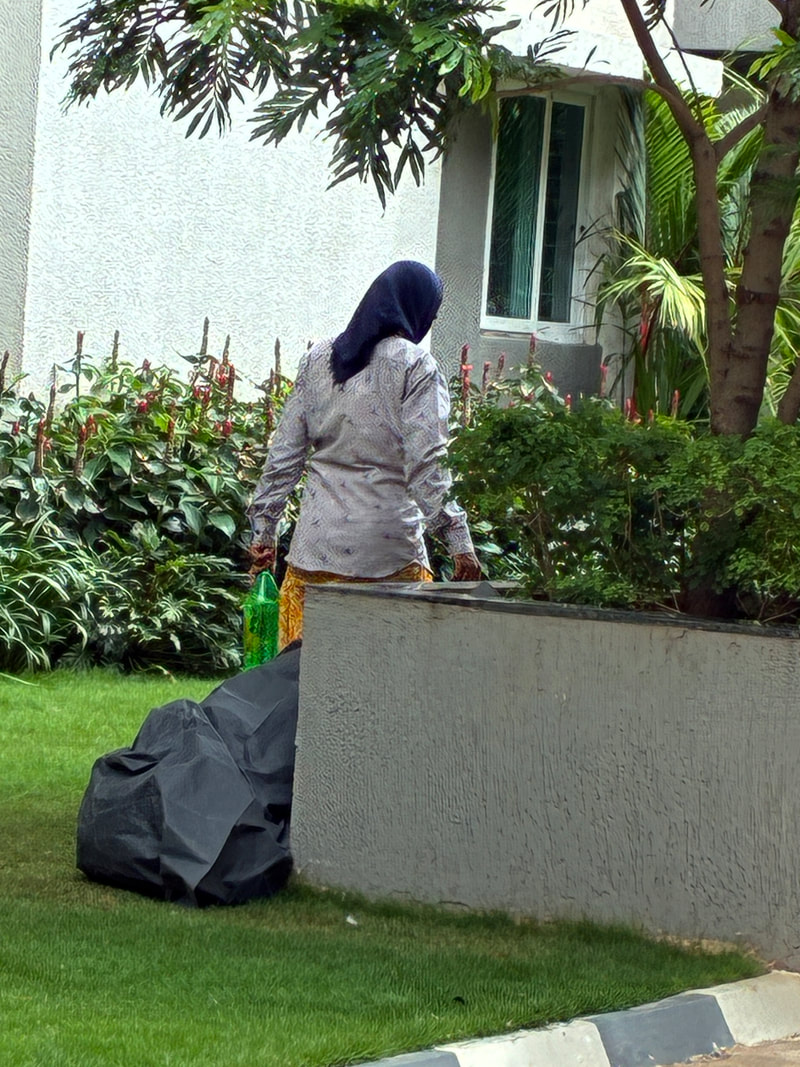
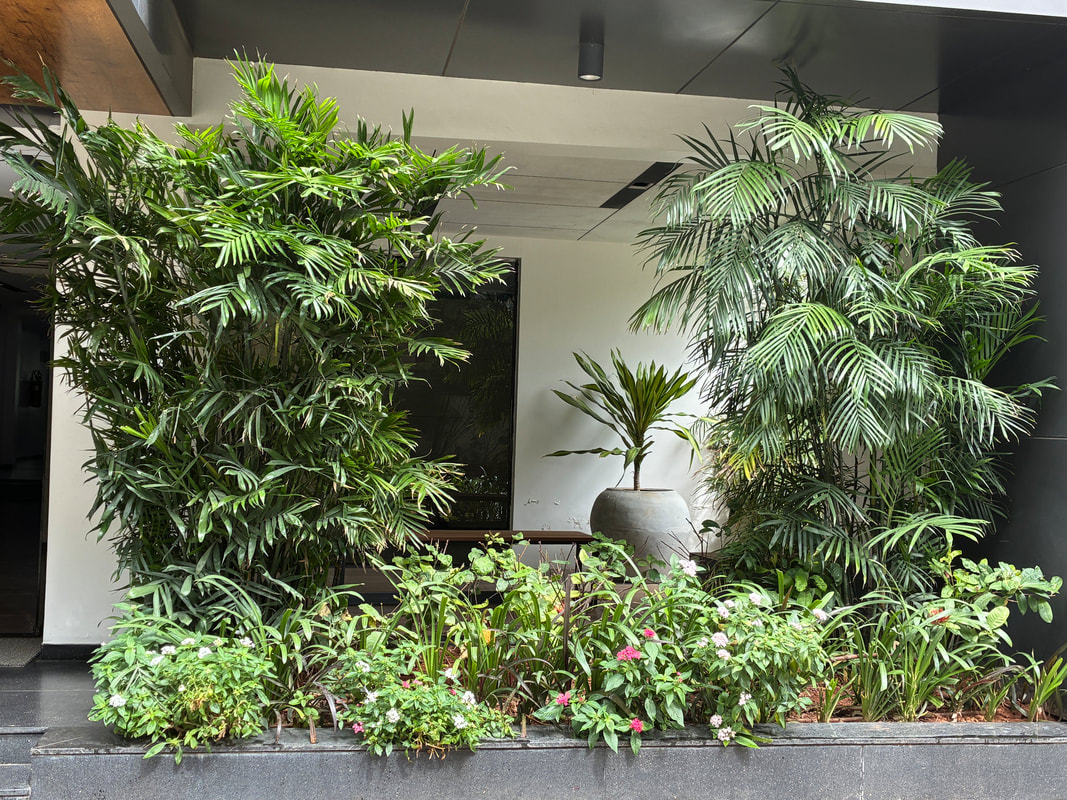
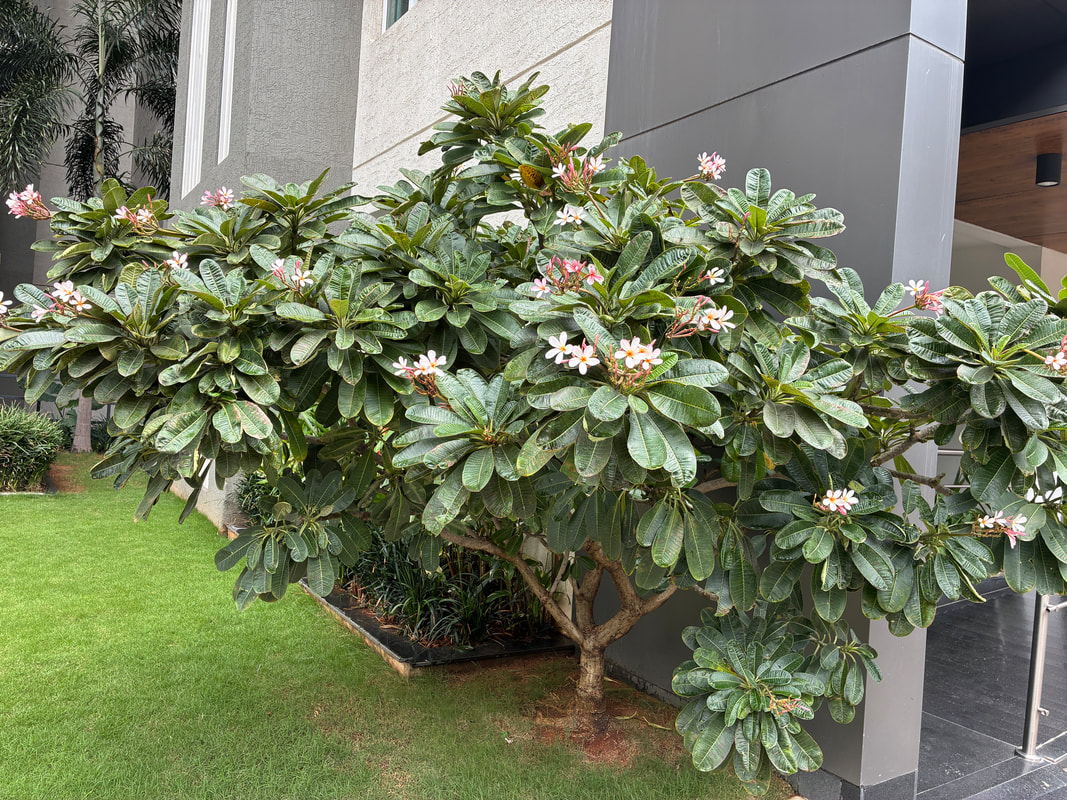
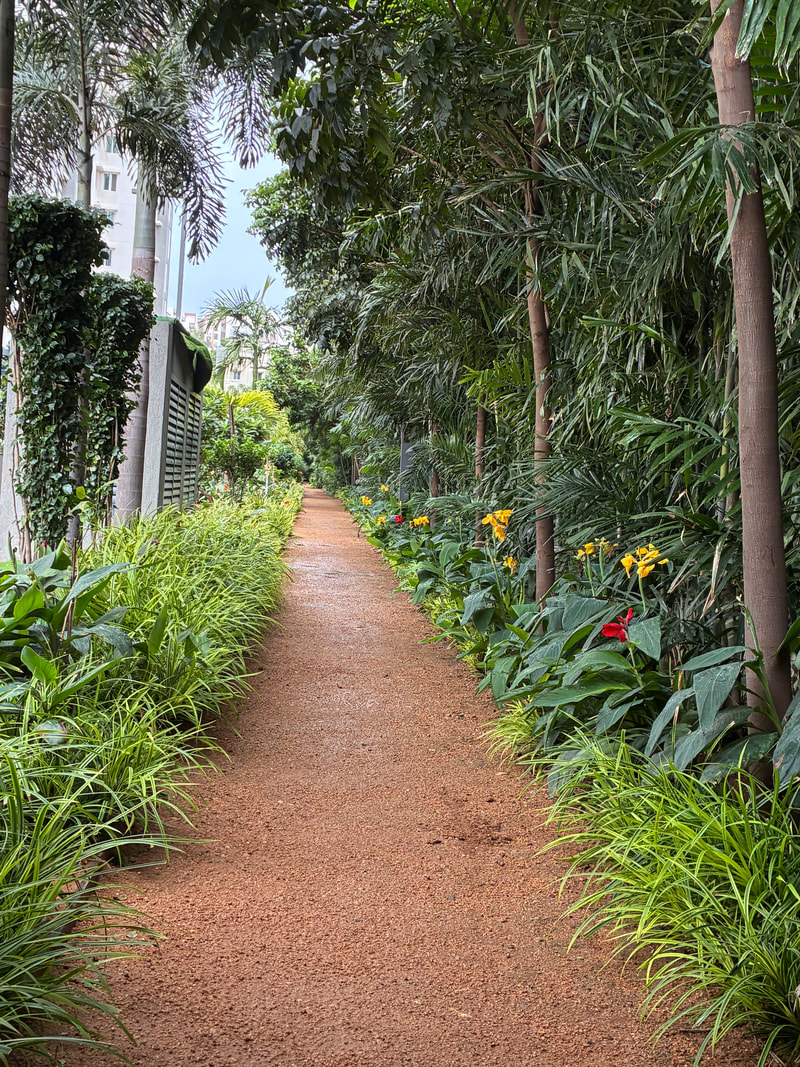
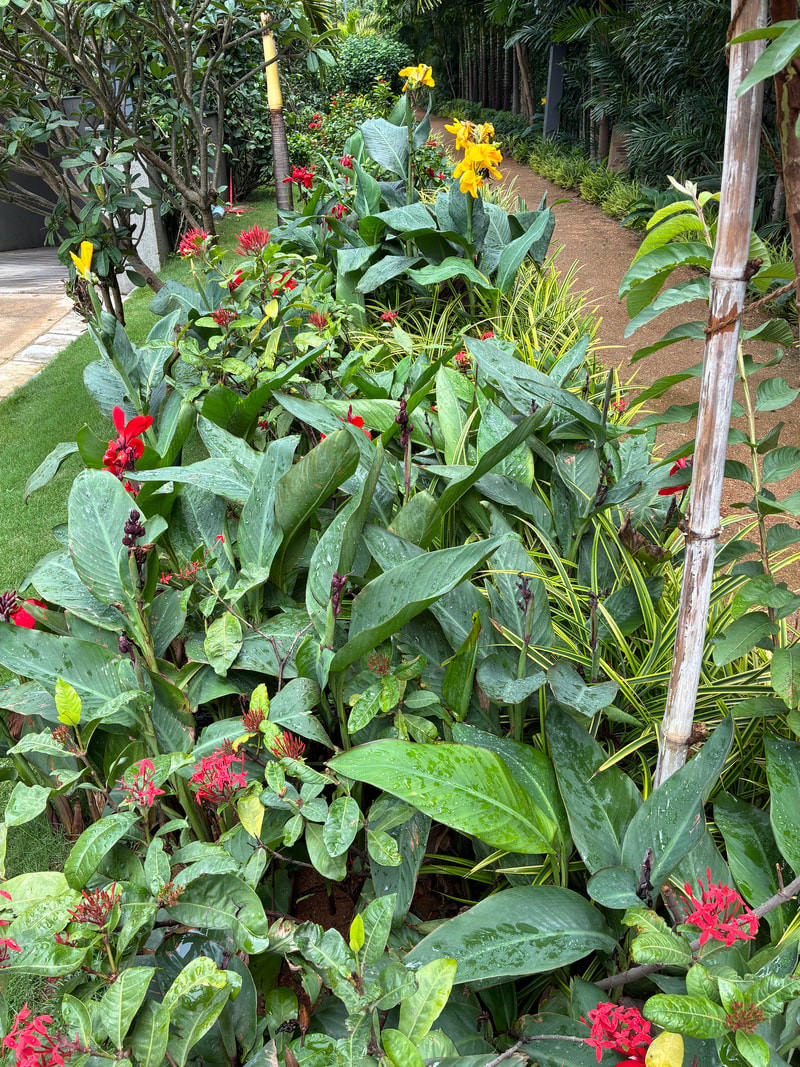
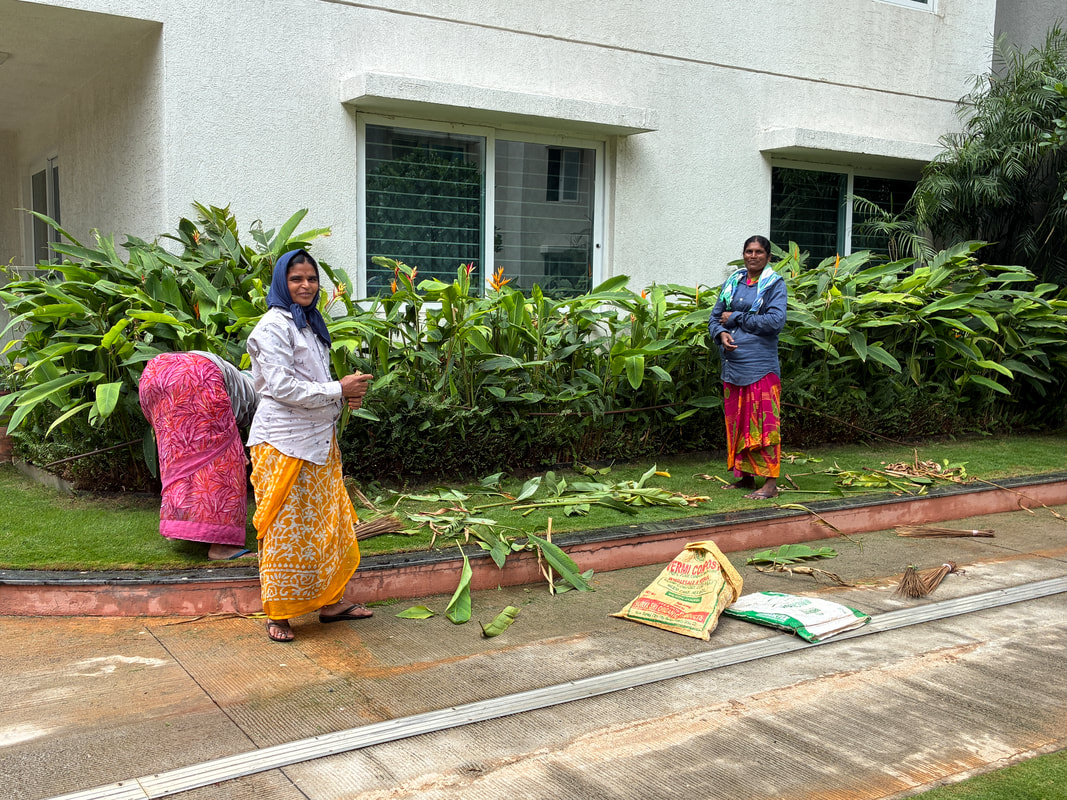
Wir haben ein verlängertes Wochenende in Visakhapatnam (kurz Vizag) verbracht. Vizag ist die grösste Stadt des Staates Andhra Pradesh. Sie ist zwischen dem Meer und Bergen gelegen. Nicht weit entfernt ist das Araku-Tal, das während des Monsuns besonders schön ist. Unser Aufenthalt war nicht sehr aufregend, weil ich immer noch nicht ganz gesund war (bin), und sich auch Yashi etwas flach gefühlt hat. Wir konnten aber die Aussicht aufs Meer von unserem Zimmer aus geniessen, waren auch kurz am Wasser spazieren, haben das Hotel genossen - und wir haben am Montag unseren geplanten Ausflug gemacht: Wir sind am Morgen früh mit dem Zug ins Araku-Tal gefahren. Der Zug fährt durch 58 Tunnels, wo die Leute jeweils mit kindlicher Freude schreien. Das ist wirklich lustig, weil die Fenster und Türen offen sind, dadurch hört man die Stimmen gut. Die Aussicht ist sehr schön, da alles satt grün vom Monsun ist. In Araku angekommen, hat ein Auto mit Fahrer auf uns gewartet und wir haben verschiedenes besuchen können: einen botanischen Garten, ein Kaffeemuseum (nicht so spannend) und v.a. riesige Tropfsteinhöhlen. Wir haben auch ausgezeichnet zu Mittag gegessen: ein Chicken-Biryani, das in einem Bambusrohr im Feuer zubereitet wird. Auch die frische Luft hat uns gut getan. Es war ein sehr langer Tag, hat sich aber gelohnt. Am Dienstag sind wir dann nach Hause gereist. We spent a long weekend in Visakhapatnam (Vizag for short). Vizag is the largest city in the state of Andhra Pradesh. It is situated between the sea and the mountains. Not far away is the Araku Valley, which is particularly beautiful during the monsoon. Our stay wasn’t very exciting because I still wasn’t (and am still not) fully recovered, and Yashi was feeling a bit under the weather too. However, we were able to enjoy the sea view from our room, went for a short walk by the water, enjoyed the hotel – and on Monday we went on our planned trip: We took the train to the Araku Valley early in the morning. The train passes through 58 tunnels, where people shout with childlike delight each time. It’s really funny because the windows and doors are open, so you can hear the voices clearly. The view is lovely, as everything is lush and green from the monsoon. When we arrived in Araku, a car with a driver was waiting for us and we were able to visit various places: a botanical garden, a coffee museum (not that exciting) and, above all, huge caves. We also had an excellent lunch: chicken biryani, cooked over a fire in a bamboo tube. The fresh air did us a world of good too. It was a very long day, but well worth it. On Tuesday, we travelled home. Nous avons passé un week-end prolongé à Visakhapatnam (ou Vizag). Vizag est la plus grande ville de l'État de l'Andhra Pradesh. Elle est située entre la mer et les montagnes. Non loin de là se trouve la vallée d'Araku, particulièrement belle pendant la mousson. Notre séjour n'a pas été très passionnant, car je n'étais (et ne suis) toujours pas tout à fait rétablie, et Yashi ne se sentait pas très en forme non plus. Nous avons toutefois pu profiter de la vue sur la mer depuis notre chambre, nous avons fait une petite promenade au bord de l’eau, nous avons apprécié l’hôtel – et nous avons fait notre excursion prévue lundi : Nous avons pris le train tôt le matin pour nous rendre dans la vallée d’Araku. Le train traverse 58 tunnels, dans lesquels les gens poussent des cris de joie enfantine à chaque fois. C’est vraiment drôle, car les fenêtres et les portes sont ouvertes, ce qui permet d’entendre clairement les voix. La vue est magnifique, car tout est d’un vert luxuriant grâce à la mousson. Une fois arrivés à Araku, une voiture avec chauffeur nous attendait et nous avons pu visiter plusieurs endroits : un jardin botanique, un musée du café (pas très passionnant) et surtout d’immenses grottes. Nous avons également dégusté un excellent déjeuner : un poulet biryani cuit au feu de bois dans un tube de bambou. L’air frais nous a également fait du bien. Ce fut une très longue journée, mais cela en valait la peine. Mardi, nous sommes rentrés. Der Alltag ist wieder da. Inzwischen sind wir so ans Leben hier gewöhnt, dass ich mir überlegen muss, was es zu berichten gibt. Es ist Monsun-Zeit: Es regnet immer wieder für eher kurze Zeit, dafür of heftig. Wir erleben recht viele graue Tage, aber die Sonne zeigt sich zum Glück auch immer wieder. Musikalisch läuft bei mir nicht viel, ich bin mit Freude für mich allein am Üben, habe aber keine Konzerte geplant (auch wegen meiner Abwesenheiten). Dafür mache ich viel Freiwilligenarbeit in der Primarschule und für Jugendliche. Im Moment allerdings bleibe ich mit einer Erkältung zuhause. Everyday life is back. We’ve now got so used to life here that I have to think hard about what there is to report. It’s monsoon season: it rains off and on for fairly short spells, but often quite heavily. We’re having quite a few grey days, but fortunately the sun does make an appearance from time to time. Musically, not much is happening for me; I’m happily practising on my own, but I haven’t got any concerts planned (partly because of my absences). Instead, I’m doing a lot of voluntary work at the primary school and with young people. At the moment, though, I’m staying at home with a cold. Le quotidien a repris son cours. Nous sommes désormais tellement habitués à la vie ici que je dois réfléchir à ce qu’il y a à raconter. C'est la saison de la mousson : il pleut régulièrement, par intermittence, mais souvent de manière intense. Nous avons pas mal de journées maussades, mais heureusement, le soleil fait aussi régulièrement son apparition. Côté musique, il ne se passe pas grand-chose : je m'exerce avec plaisir toute seule, mais je n’ai pas de concerts prévus (notamment à cause de mes absences). En revanche, je fais beaucoup de bénévolat à l’école primaire et auprès des jeunes. Pour l’instant, je reste toutefois chez moi, car j’ai un rhume. Links: Jeden Sonntag werden Kleider grad vor unserer Haustüre verkauft. Das ganze Trottoir wird damit gefüllt. Vor ein paar Monaten haben die Leute ihre Ware in der Mitte der grossen Kreuzung ausgebreitet und wurden offensichtlich von dort wegverwiesen. Mitte und rechts: Wir waren am Wochenende spazieren und haben per Zufall diesen Umzug (ich nehme an für ein Shiva-Festival) angetroffen. Die Kleider und Schminke haben eine religiöse Bedeutung - was hier niemanden davon abhält, sehr fröhlich zu sein - und laut war's natürlich auch. 😁 Left: Every Sunday, clothes are sold right on our doorstep. The whole pavement is filled with them. A few months ago, people laid out their wares in the middle of the large crossroads and were apparently told to move on from there. Centre and right: We were out for a walk at the weekend and happened to come across this procession (I assume for a Shiva festival). The costumes and make-up have religious significance – which doesn’t stop anyone here from being very cheerful – and of course it was noisy too. 😁 À gauche : tous les dimanches, des vêtements sont vendus juste devant notre porte. Tout le trottoir en est recouvert. Il y a quelques mois, des vendeurs avaient étalé leur marchandise au milieu d’un grand carrefour et avaient apparemment été priés de quitter les lieux. Au centre et à droite : Nous nous promenions ce week-end et sommes tombés par hasard sur ce défilé (je suppose que c'était pour un festival de Shiva). Les costumes et le maquillage ont une signification religieuse – ce qui n'empêche personne ici d'être très joyeux – et bien sûr, c'était bruyant. 😁 Und wir werden kreativ: An einem Wochenende haben wir einen "cyanotype" Workshop besucht, wo wir blaue Bilder mit einer speziellen Technik erstellt haben. Meine Freiwilligenarbeits-Organisation hat einen vor kurzem einen Töpferkurs organisiert, bei dem ich teilgenommen habe. And we’re getting creative: one weekend we took part in a ‘cyanotype’ workshop, where we created blue images using a special technique. My volunteering organisation recently organised a pottery course, which I took part in. Et nous faisons preuve de créativité : un week-end, nous avons participé à un atelier de « cyanotype », où nous avons réalisé des images bleues à l'aide d'une technique particulière. L'organisation auprès de laquelle je fais du bénévolat a récemment organisé un cours de poterie auquel j'ai pris part. Da ich schon über Alltag schreibe: Wir wohnen in dieser Überbauung, die dank der vielen Angestellten so schön und gepflegt ist. Ich freue mich täglich über die üppigen Pflanzen, den grünen Rasen und die blühenden Bäume. Ich sehe hier jeden Tag viele Frauen und Männer, die sich um den Garten kümmern, unsere Wege und die gemeinsamen Innenräume putzen, die Lifte reinigen, die Ein- und Ausgänge überwachen, unsere Anfragen beantworten und Reparaturen durchführen. Das ist der grosse Luxus in diesem Land: es gibt so viele Menschen, die für einen tiefen Lohn arbeiten und uns, den besser situierten, das Leben verschönern. Es ist nicht gerecht, dass sie ein hartes Leben haben und ich so privilegiert bin, aber ich kann die Gesellschaft nicht ändern. Mein Beitrag ist, dass ich diese Angestellten so oft ich kann so freundlich wie möglich grüsse; und ich sehe, dass sie sich darüber freuen. Since I’m already writing about everyday life: we live in gated community, which is so lovely and well-maintained thanks to the many staff members. Every day, I take pleasure in the lush plants, the green lawn and the blossoming trees. Every day I see lots of men and women here who look after the gardens, sweep our paths and clean the communal areas, clean the lifts, monitor the entrances and exits, answer our enquiries and carry out repairs. That is the great luxury of this country: there are so many people who work for a meagre wage and make life more pleasant for us, the better-off. It’s not fair that they lead such a hard life whilst I’m so privileged, but I can’t change society. My contribution is to greet these staff as often as I can and as kindly as possible; and I can see that it makes them happy. Puisque je parle de la vie quotidienne : nous habitons dans ce complexe immobilier qui, grâce aux nombreux employés, est si beau et si bien entretenu. Chaque jour, je me réjouis de voir la végétation luxuriante, la pelouse verte et les arbres en fleurs. Je vois ici chaque jour de nombreuses femmes et de nombreux hommes qui s’occupent du jardin, nettoient nos allées et les espaces communs intérieurs, nettoient les ascenseurs, surveillent les entrées et les sorties, répondent à nos demandes et effectuent des réparations. C’est le grand luxe de ce pays : il y a tant de personnes qui travaillent pour un salaire modeste et qui embellissent la vie de ceux d’entre nous qui sont mieux lotis. Ce n’est pas juste qu’ils mènent une vie difficile et que je sois si privilégié, mais je ne peux pas changer la société. Ma contribution consiste à saluer ces employés aussi souvent que possible et de la manière la plus aimable qui soit ; et je vois bien que cela leur fait plaisir.
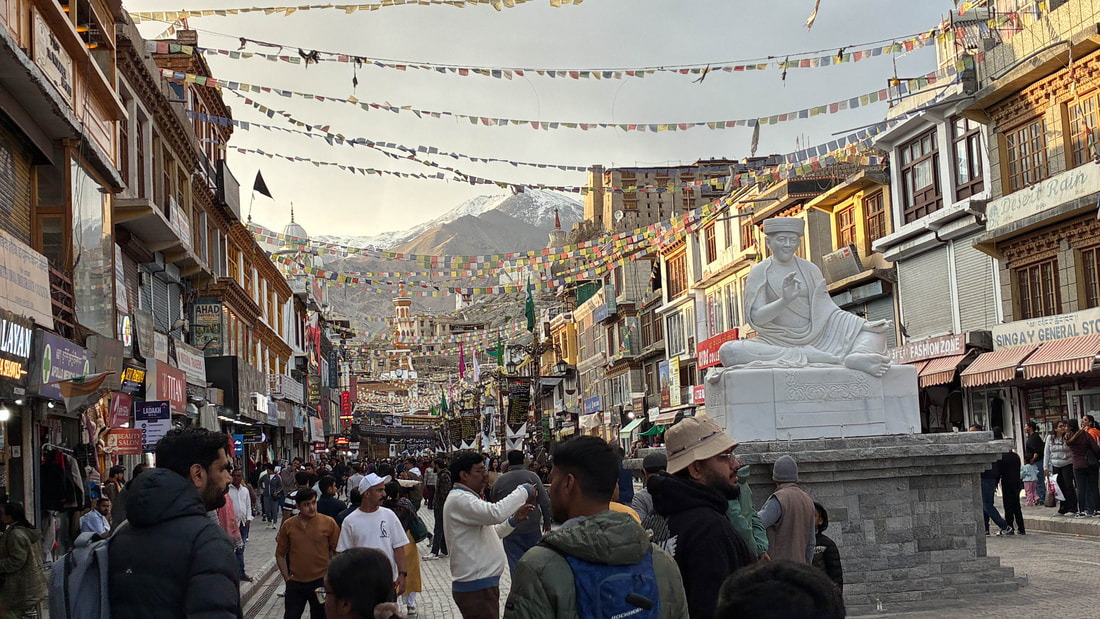
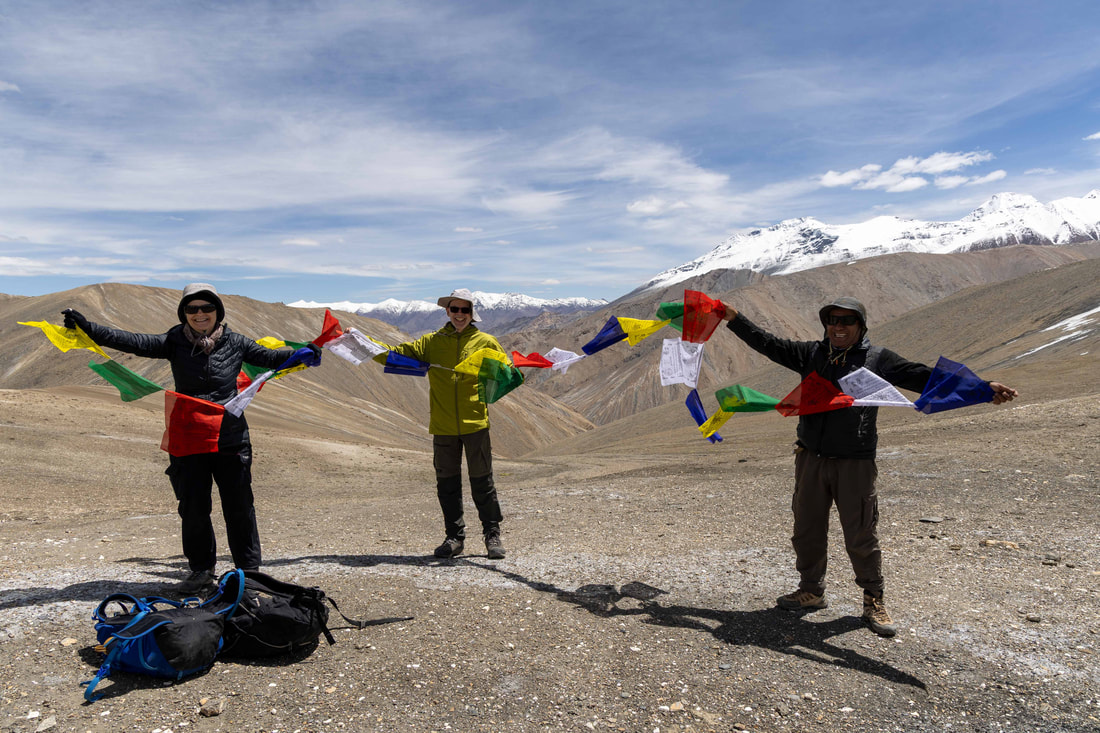
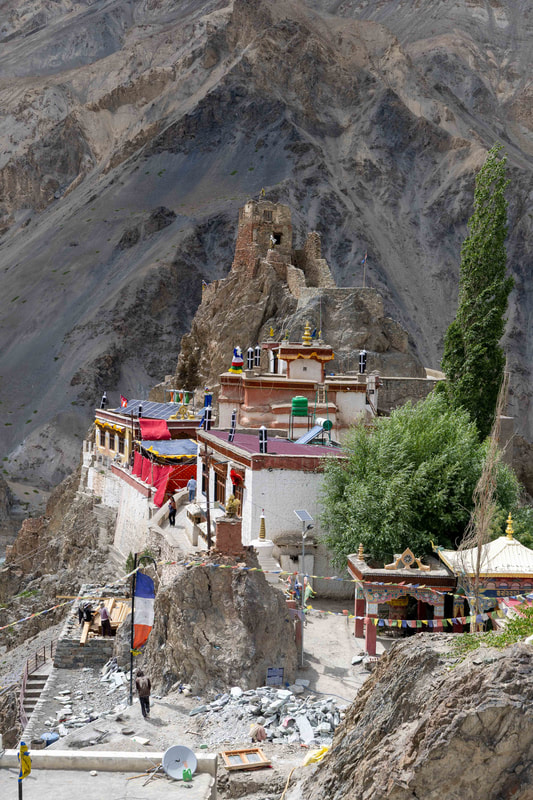
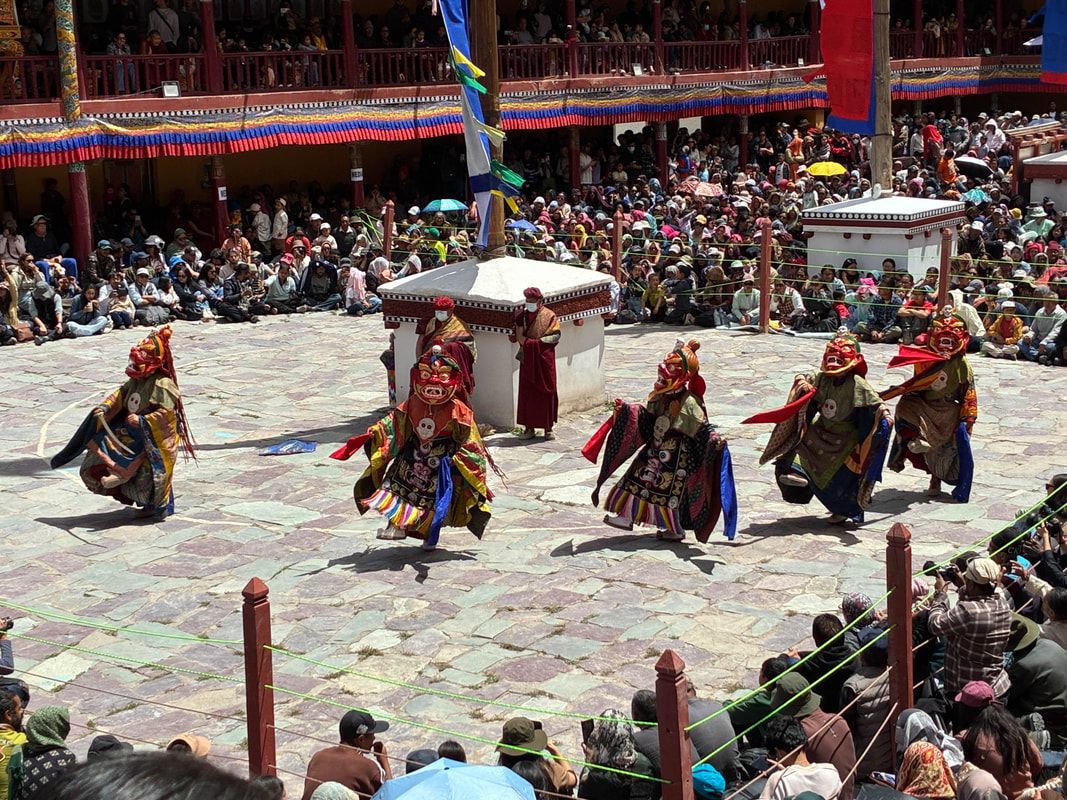
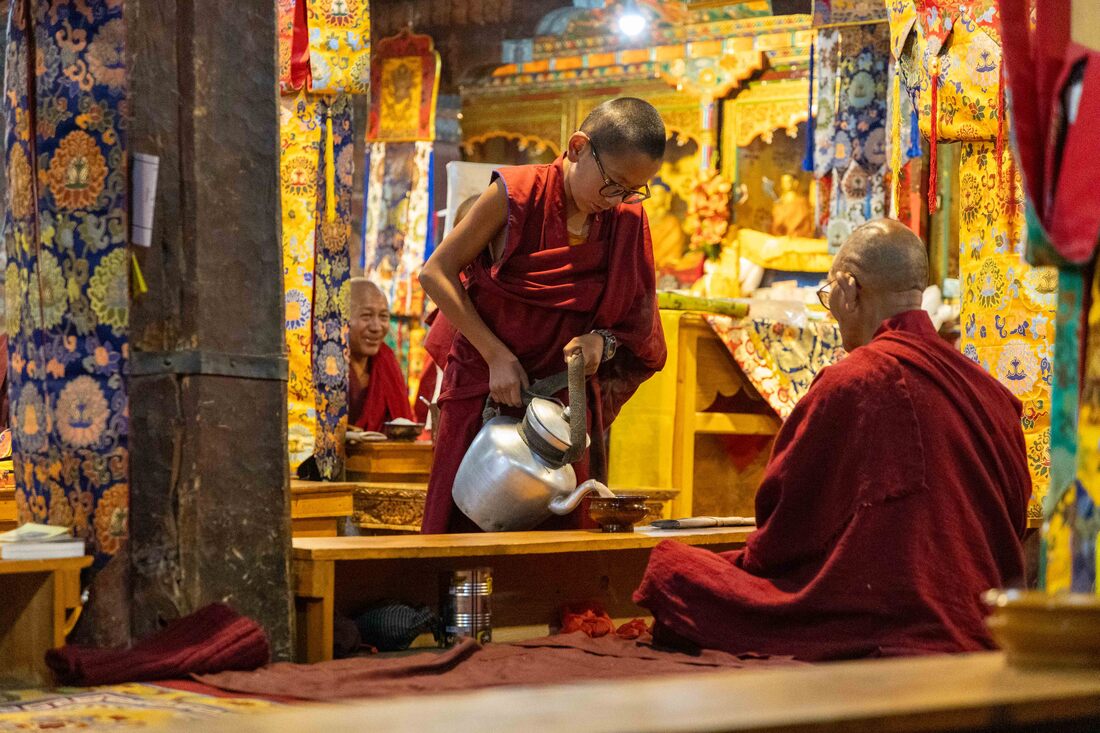
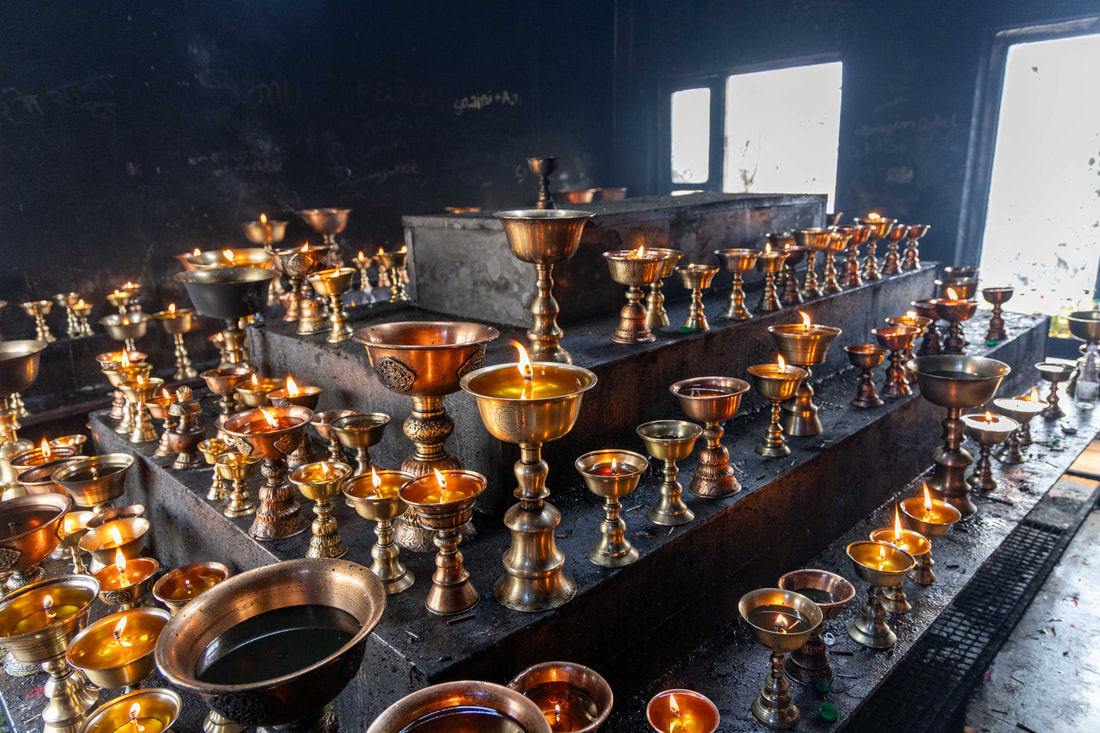
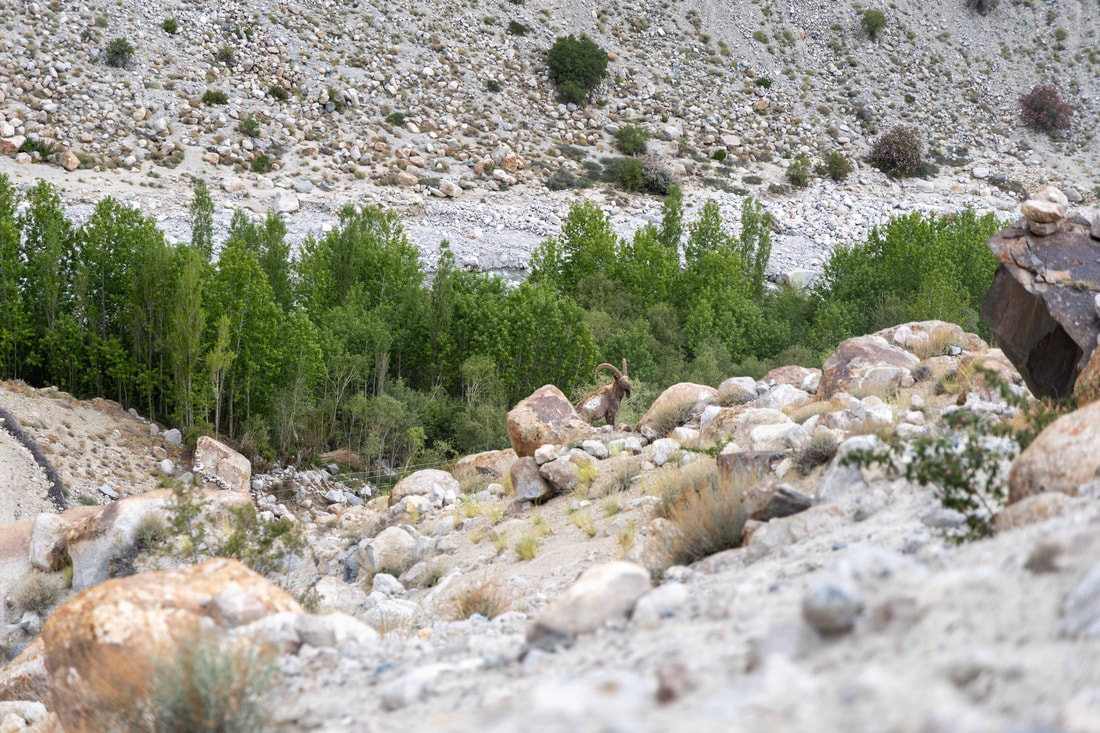
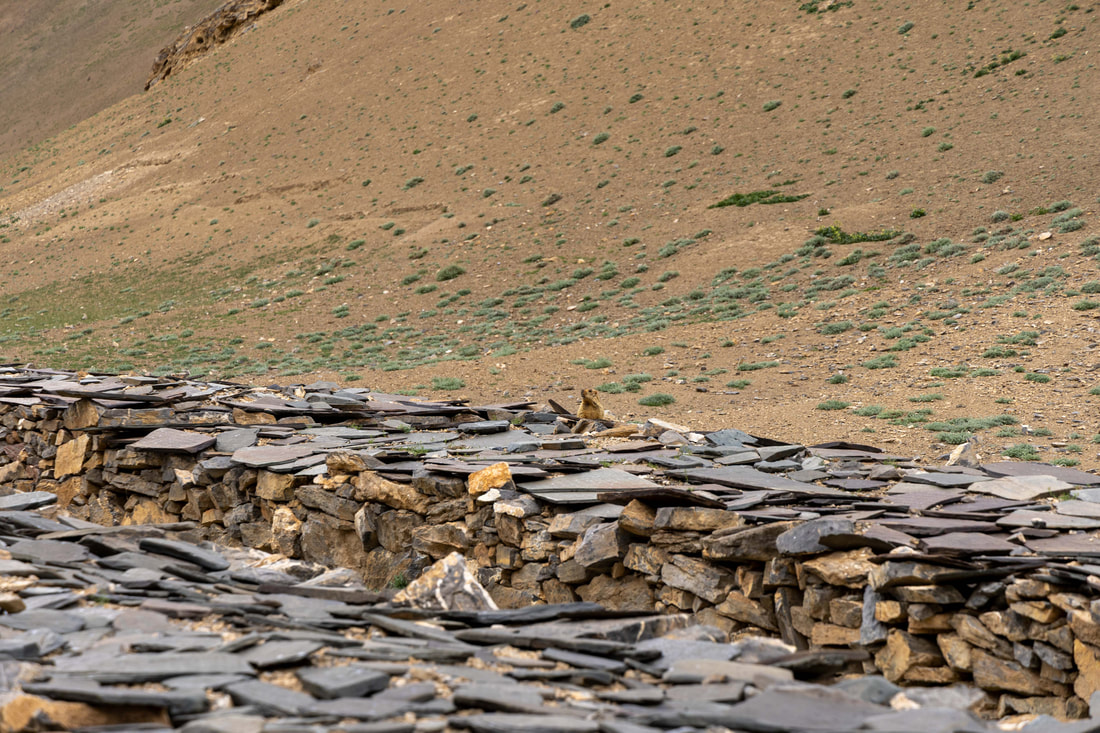
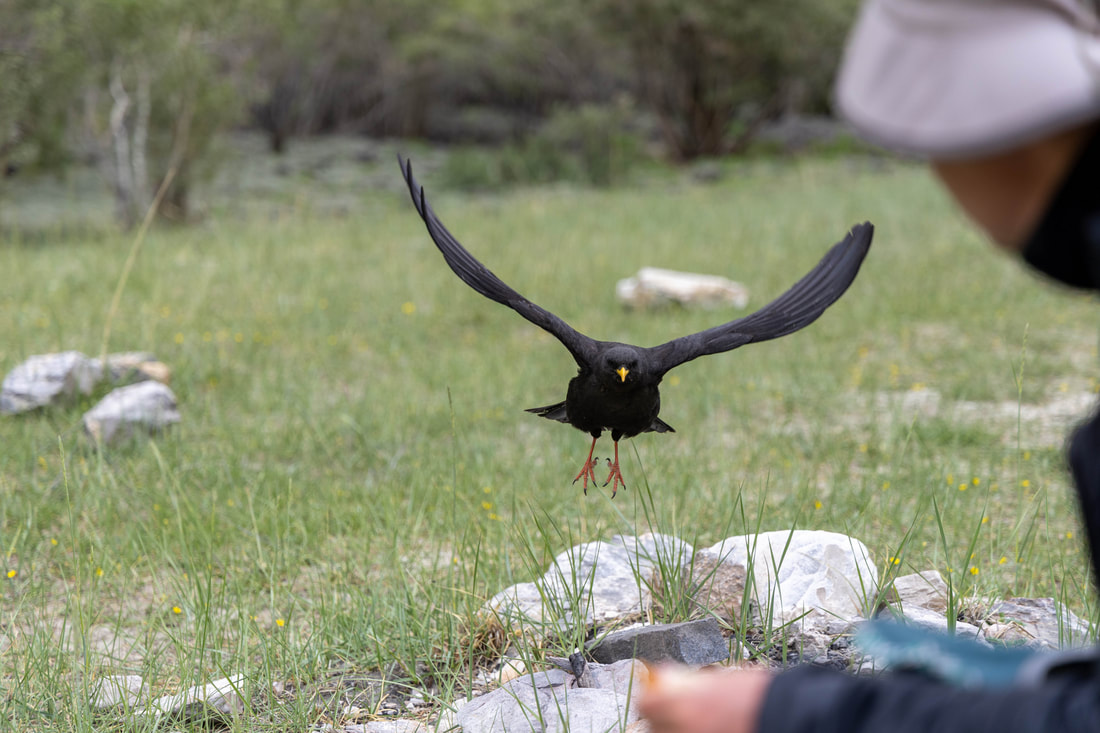
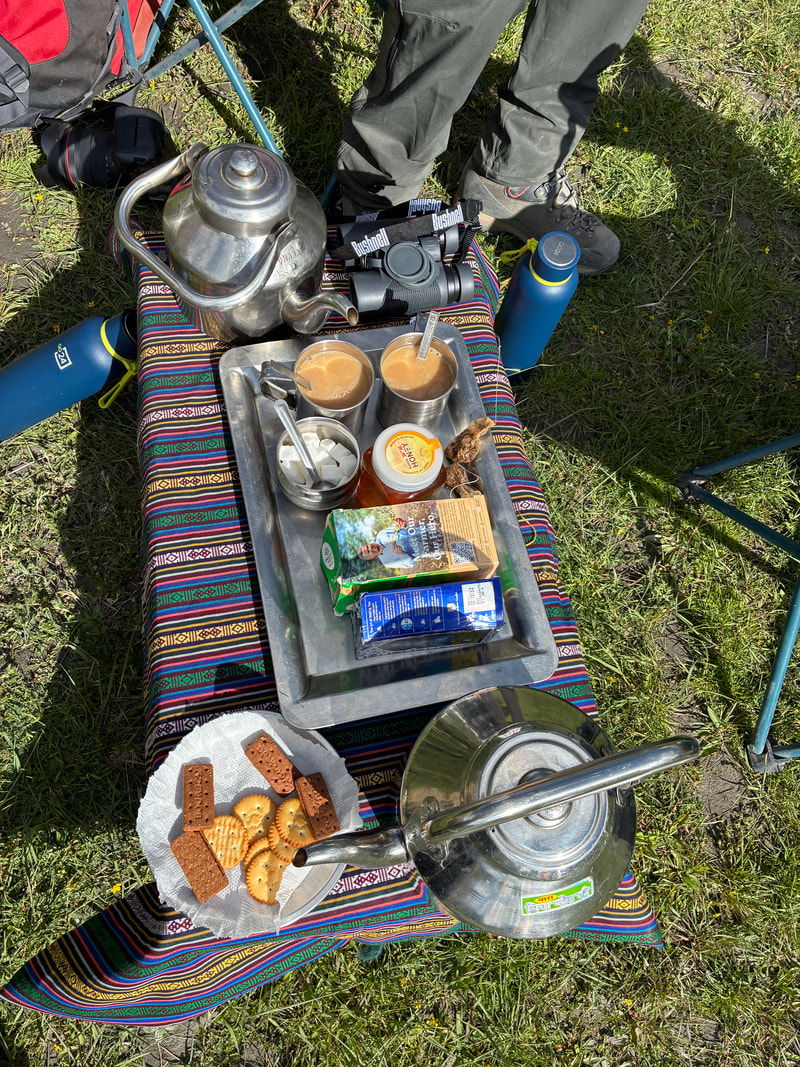
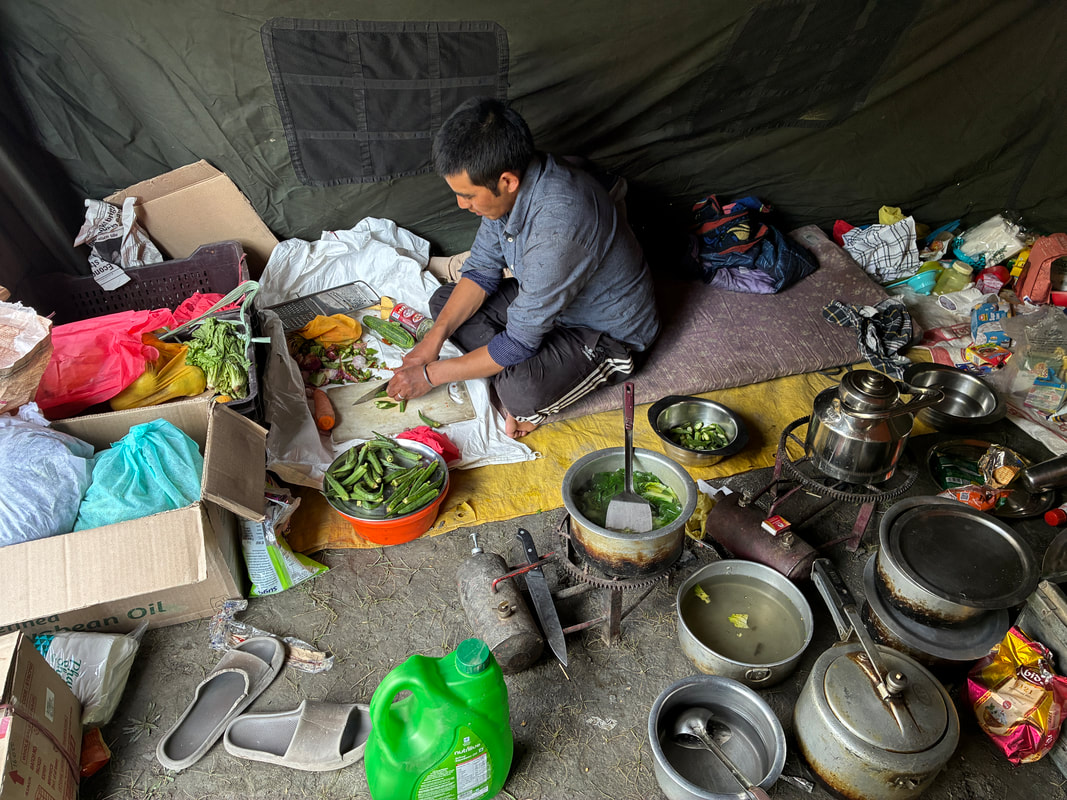
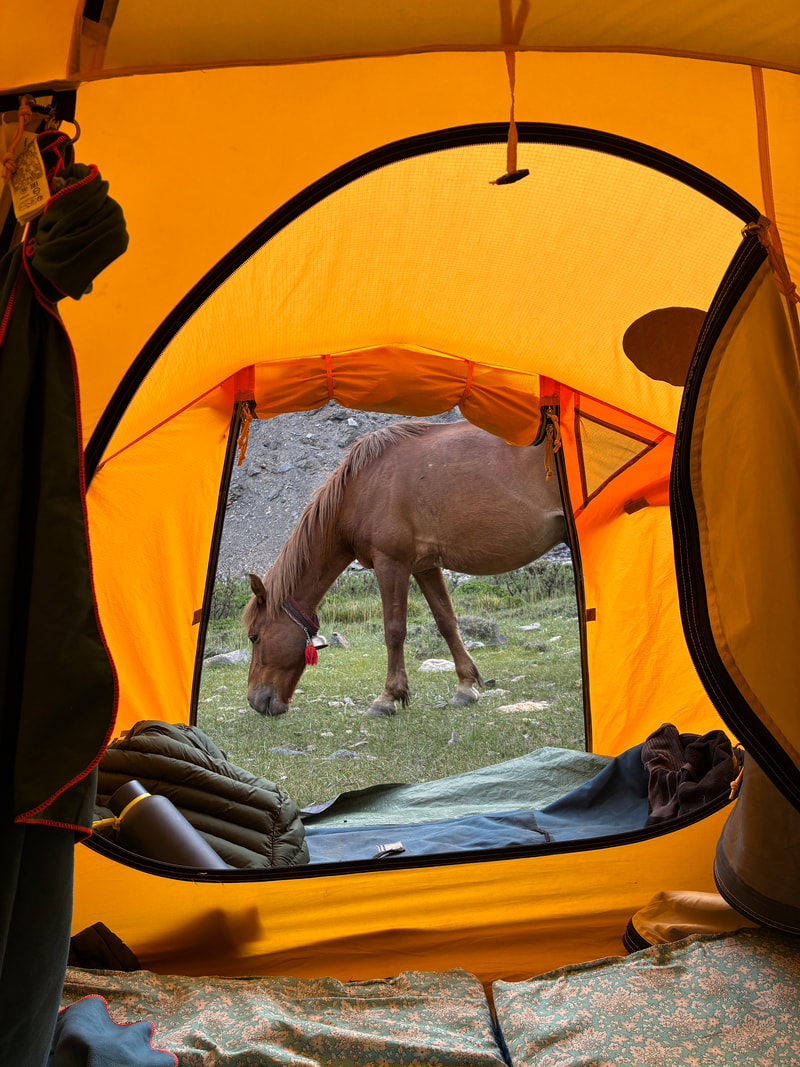
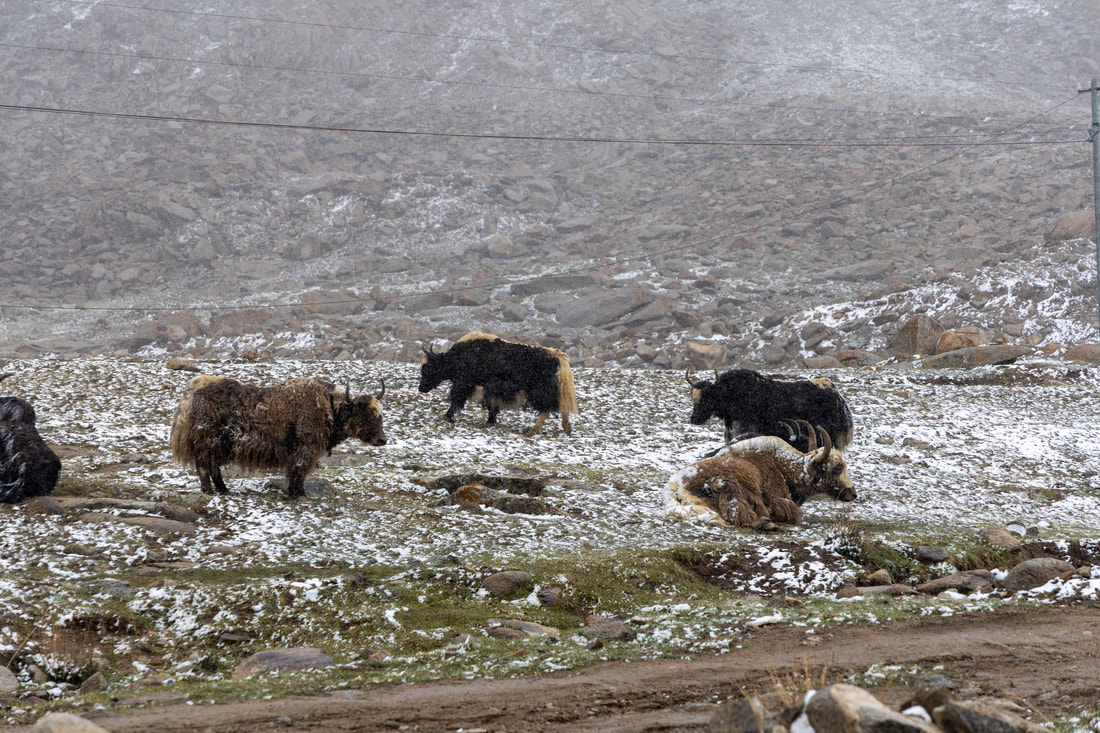
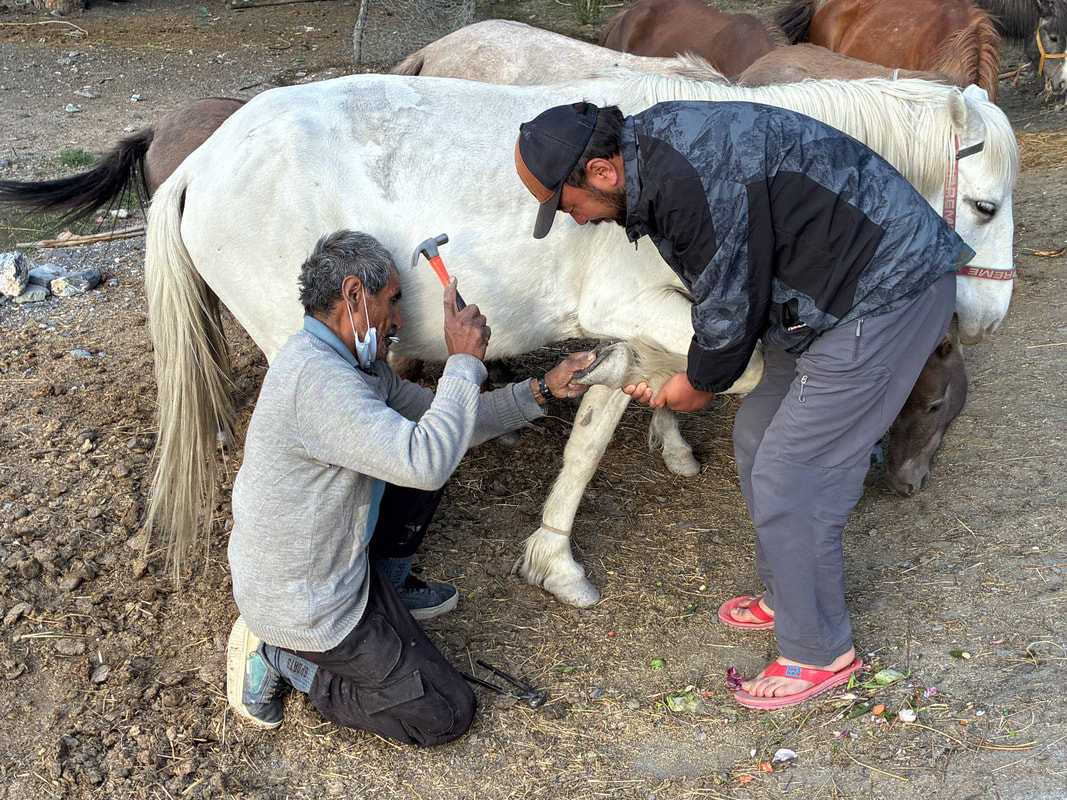
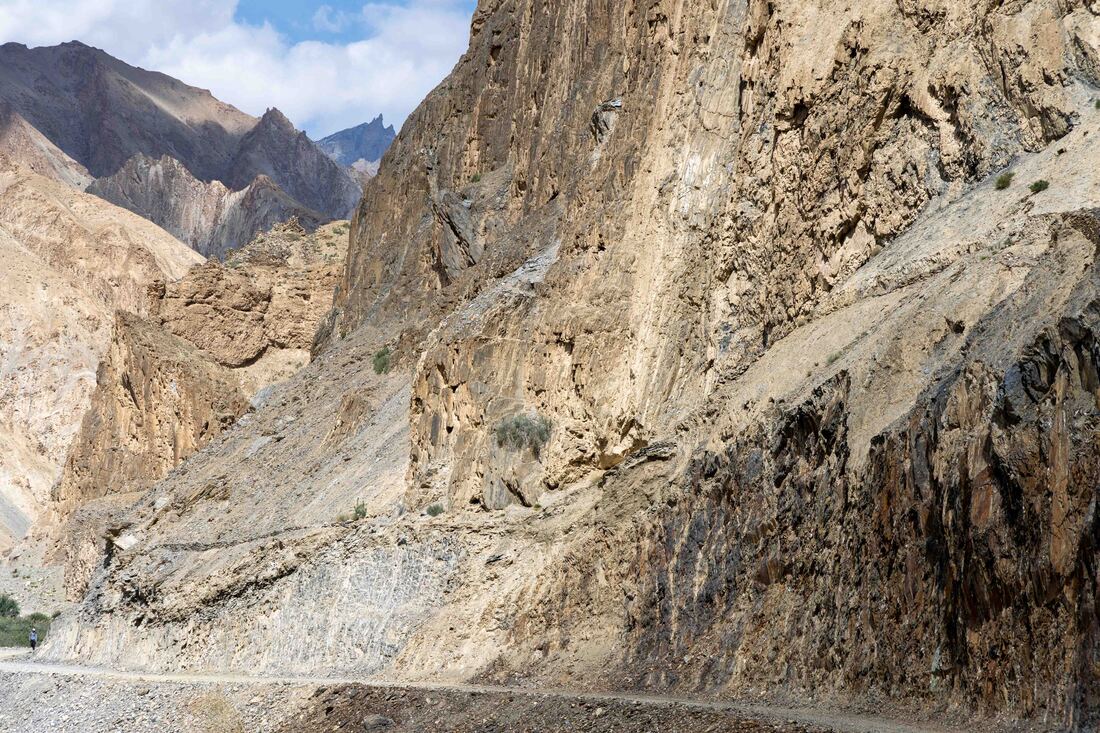
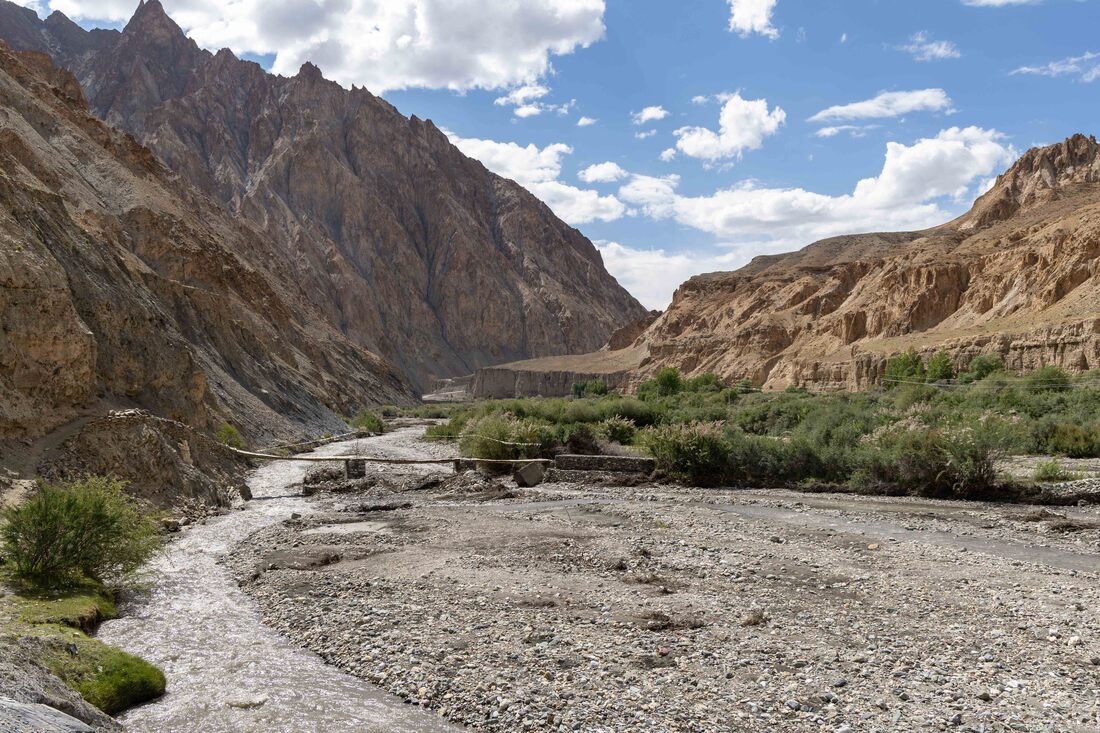
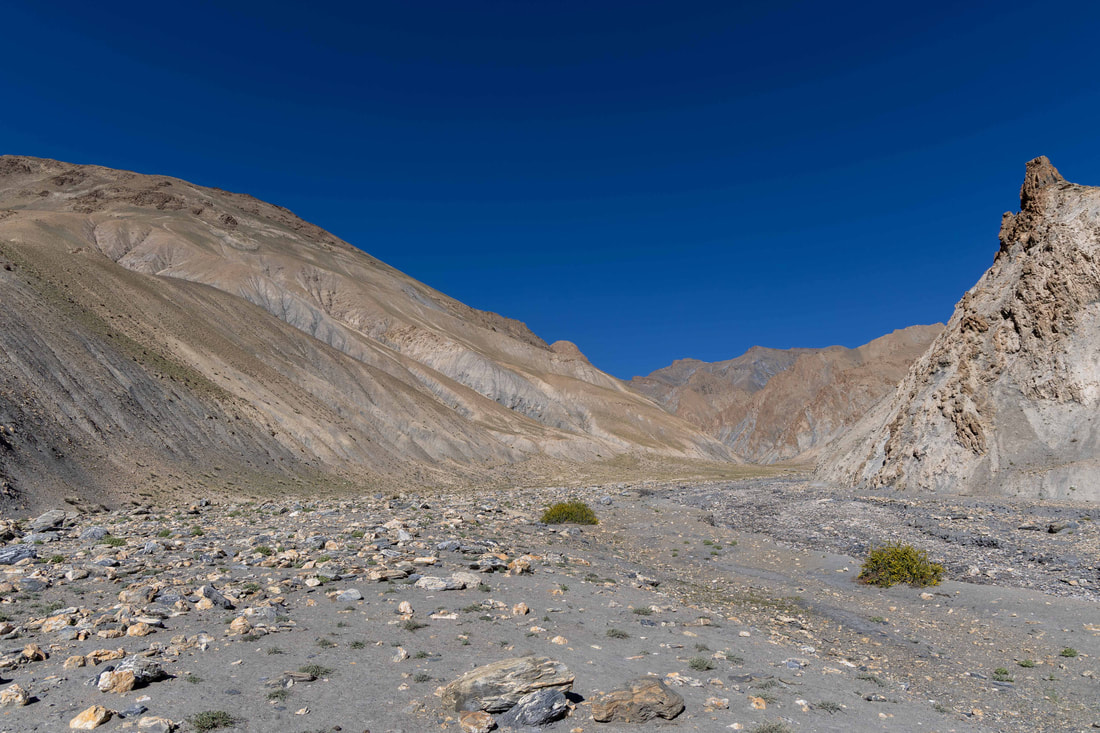
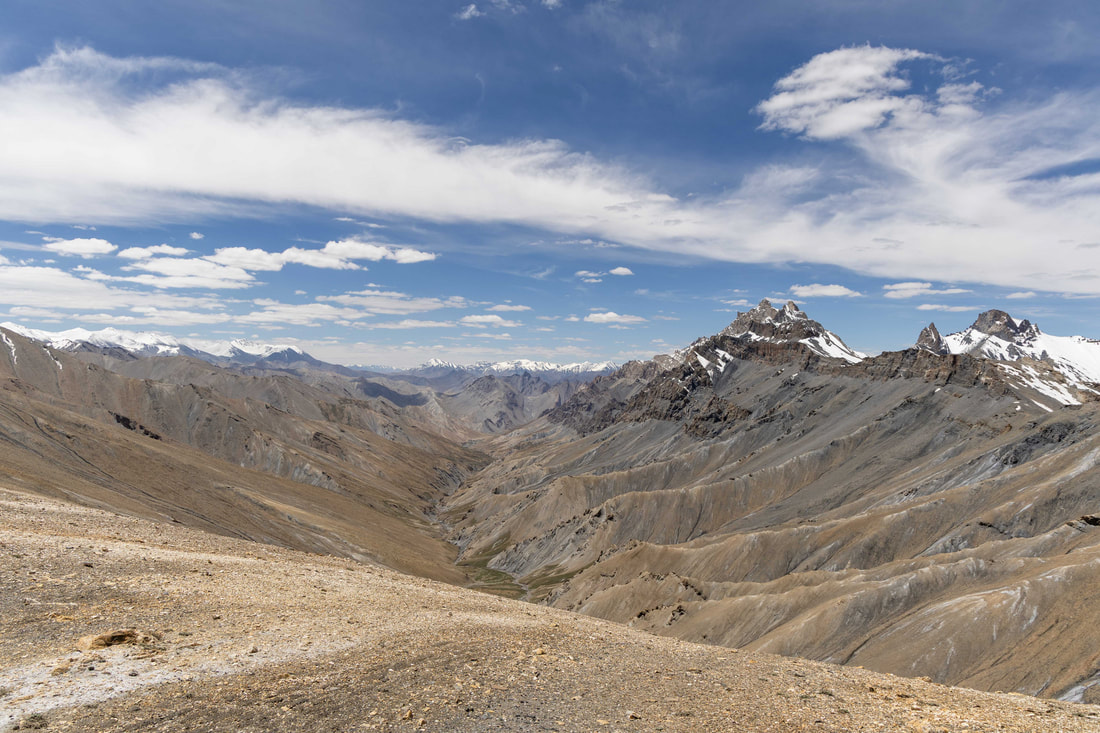
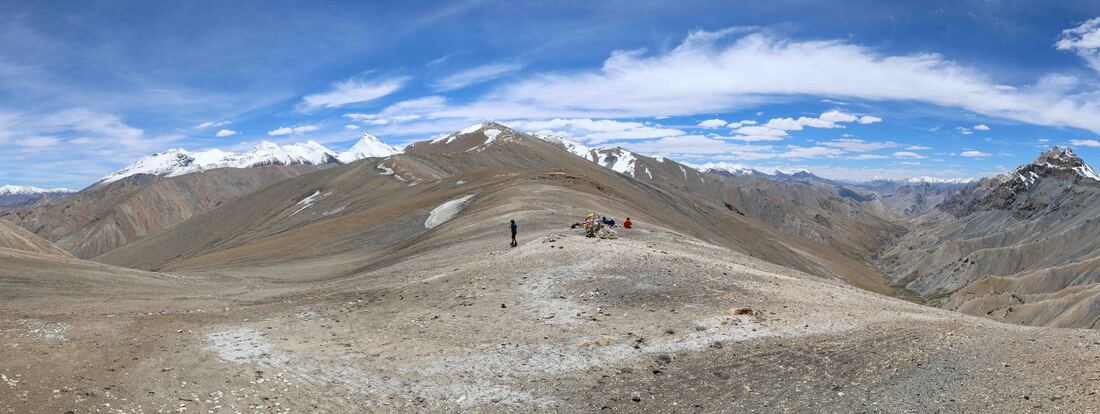
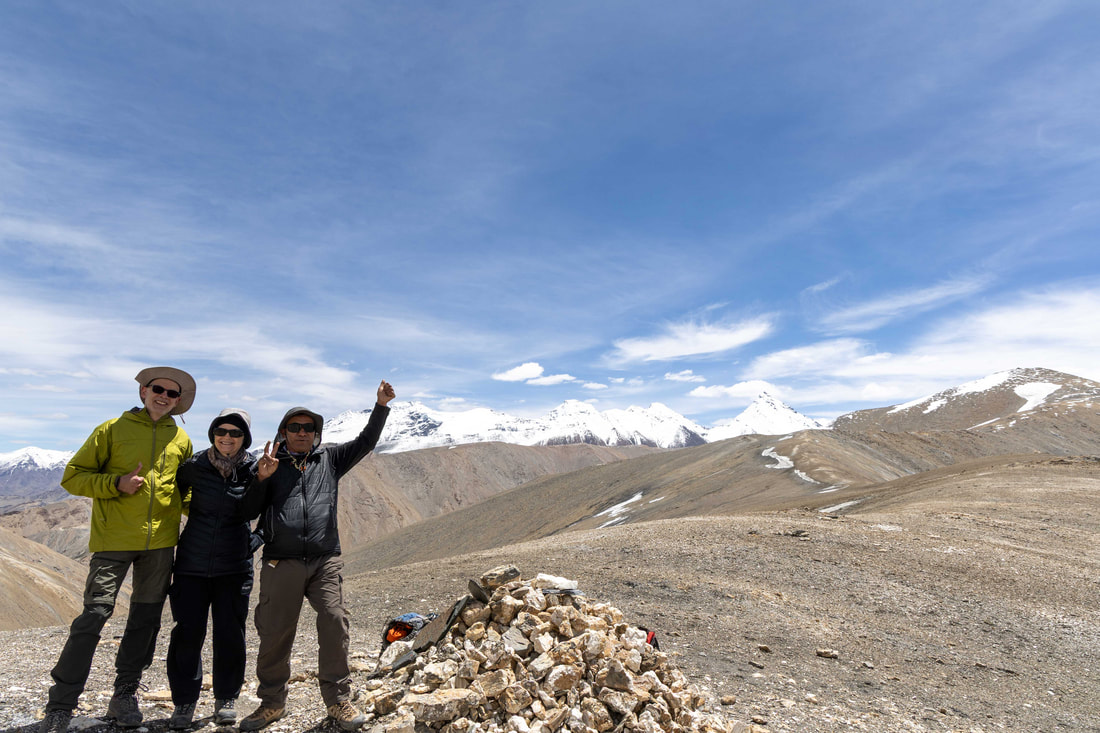
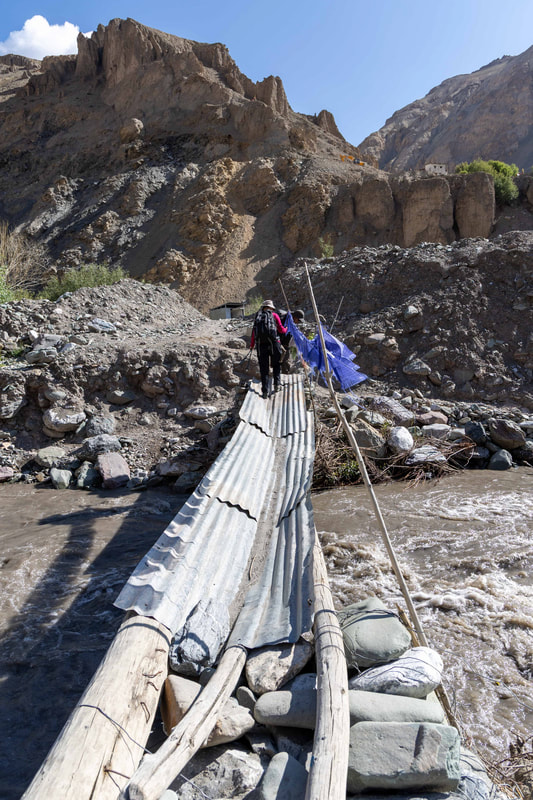
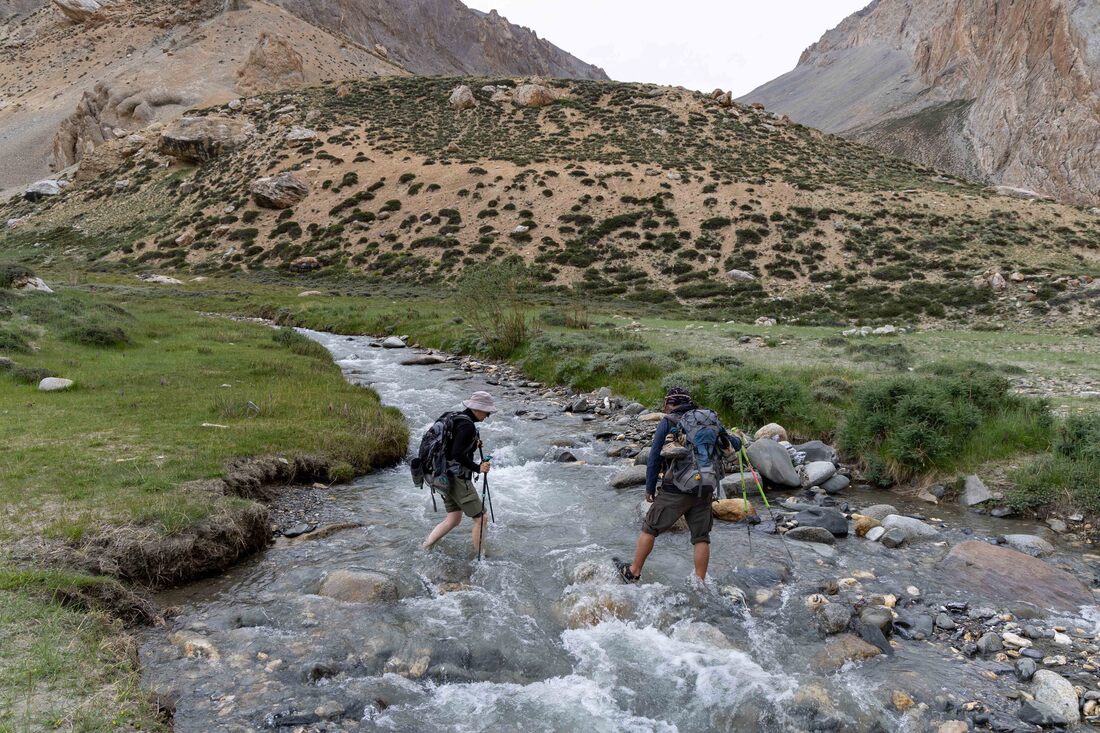
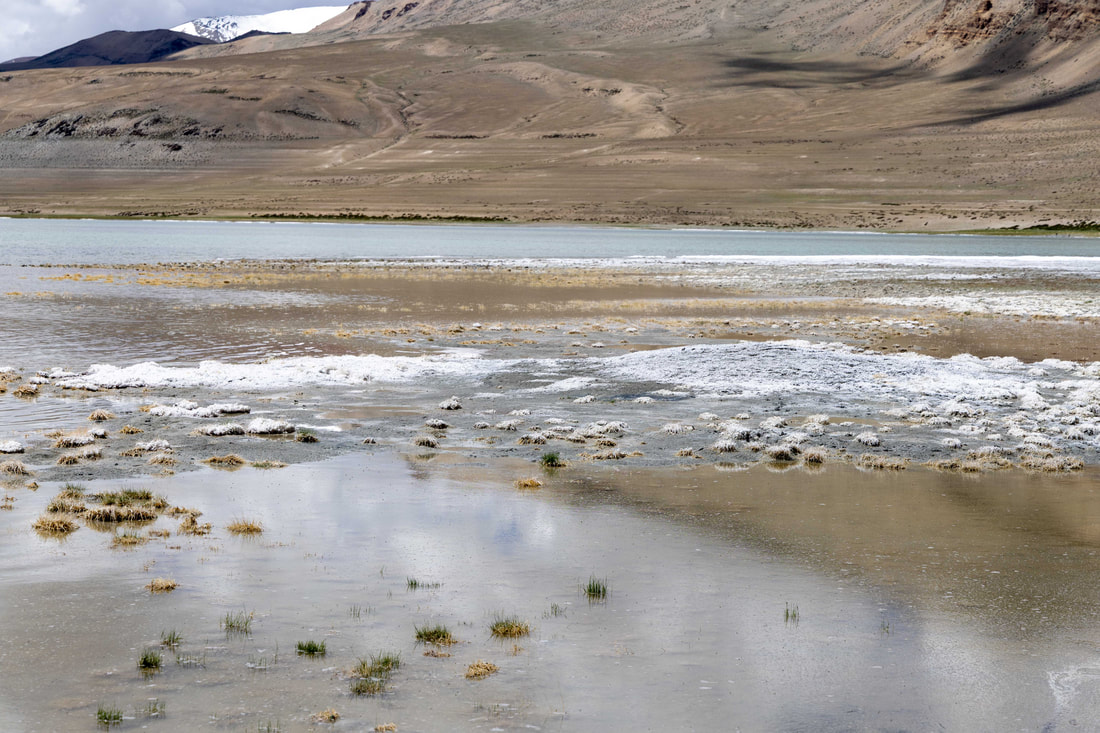
Wir waren zwei Wochen in Ladakh. Die Reise war von A bis Z von einer Agentur, die Gesar Travel heisst und die ich gern empfehle, organisiert und wir haben sehr viel gesehen, erlebt, erwandert. Mein schriftlicher Kommentar wird eher kurz sein, weil ich den vielen Eindrücken sowieso nicht gerecht werden kann. Wir haben auch 1000 Fotos, und ich kann nur wenige hier posten. Das ist ein (noch) guter Grund, dass wir uns dann auch hoffentlich bald mal persönlich sehen 😁. In der ersten Woche sind wir mit unserem Guide herumgereist. Dabe haben wir unglaubliche Landschaften gesehen und einige buddhistische Kloster (Gompas) besucht. Wir haben auch mehrere Wanderungen gemacht, durften zwei Tage bei seiner Nichte verbringen, wo wir das "normale" Ladakhi Leben gesehen haben, und sind in ein paar hohe und wunderbare schöne Berge gefahren. Wir haben ein buddhistisches Fest in einem Kloster miterleben dürfen, das Hemis-Festival, und waren beim Morgenritual der Mönche im Thiksey-Kloster dabei. In der zweiten Woche waren wir trekken: weg von jeglicher Zivilisation (wir hatten 6 Tage lang keine Verbindung mit der Aussenwelt), mit Zelten, 6 Ponies, einem Ponyman, einem Koch, einem Helfer und dem Guide. Der höchste Punkt war der Pass Zalung Karpo La, fast 5200 M.ü.M.. Der Trek war wahnsinnig schön und sehr anstrengend. Unsere Muskeln haben gut mitgehalten, aber die Kondition und v.a. die Höhe hat uns zu schaffen gemacht. Wie dem auch sei: Wir haben's geschafft, es war ein einmaliges und wunderbares Erlebnis. We spent two weeks in Ladakh. The trip was organised from start to finish by an agency called Gesar Travel and that I highly recommend, and we saw, experienced and hiked a great deal. My written account will be rather brief, as I can’t do justice to all the impressions anyway. We’ve also taken 1,000 photos, and I can only post a few of them here. That’s (another) good reason why I hope we’ll be able to meet in person soon 😁. During the first week, we travelled around with our guide. We saw some incredible landscapes and visited several Buddhist monasteries (gompas). We also went on some hikes, spent two days with his niece, where we got a glimpse of ‘normal’ Ladakhi life, and drove up into some high and absolutely stunning mountains. We were lucky enough to experience a Buddhist festival at a monastery – the Hemis Festival – and attended the monks’ morning ritual at the Thiksey Monastery. In the second week, we went trekking: far away from any civilisation (we had no contact with the outside world for six days), with tents, six ponies, a ponyman, a cook, an assistant and the guide. The highest point was the Zalung Karpo La pass, at almost 5,200 metres above sea level. The trek was incredibly beautiful and very strenuous. Our muscles held up well, but the lengths of the trek, and more than anything the altitude, took its toll on us. Be that as it may: we made it, and it was a unique and wonderful experience. Nous avons passé deux semaines au Ladakh. Le voyage était organisé de A à Z par une agence qui s'appelle Gesar Travel que je recommande vivement et nous avons vu, vécu et parcouru beaucoup de choses. Mon commentaire écrit sera plutôt bref, car je ne peux de toute façon pas rendre justice à toutes ces impressions. Nous avons également pris 1 000 photos, et je ne peux en publier que quelques-unes ici. C’est (encore) une bonne raison pour que nous puissions, je l’espère, nous voir bientôt en personne 😁. La première semaine, nous avons voyagé avec notre guide. Nous avons ainsi découvert des paysages incroyables et visité plusieurs monastères bouddhistes (gompas). Nous avons également fait plusieurs randonnées, avons pu passer deux jours chez sa nièce, où nous avons découvert la vie « normale » des Ladakhis, et sommes allés dans quelques montagnes hautes d’une beauté merveilleuse. Nous avons eu la chance d’assister à une fête bouddhiste dans un monastère, le festival d’Hemis, et avons participé au rituel matinal des moines au monastère de Thiksey. La deuxième semaine, nous avons fait un trek : loin de toute civilisation (nous n’avons eu aucun contact avec le monde extérieur pendant 6 jours), avec des tentes, 6 poneys, un ponyman, un cuisinier, un assistant et le guide. Le point culminant était le col de Zalung Karpo La, à près de 5 200 mètres d’altitude. Le trek était incroyablement beau et très éprouvant. Nos muscles ont bien tenu le coup, mais notre condition physique et surtout l’altitude nous ont donné du fil à retordre. Quoi qu’il en soit : nous avons réussi, ce fut une expérience unique et merveilleuse. |