I&W in Hyderabad, India
  • Blog
  • Who We Are
  • Get In Touch
I&W in India

Hyderabad stories

If you want to get the updates, sign up for the newsletter on "get in touch"

Vive la musique !

17/6/2026

0 Comments

 
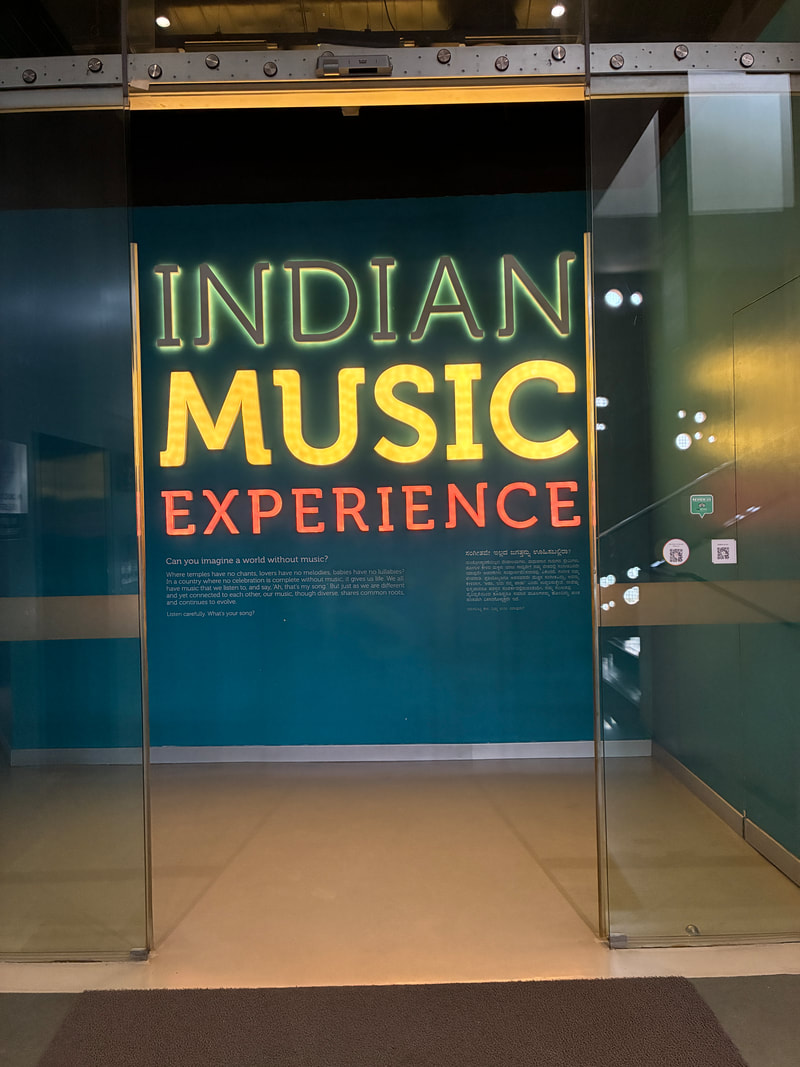
Am ersten Tag meines Bangalore-Aufenthaltes habe ich das Museum für indische Musik besucht. Es war langsam an der Zeit, dass ich etwas mehr darüber erfahre! Dort wird die Geschichte der indischen Musik mit Hilfe von diversen Medien (Film, Text, Tonaufnahmen, etc.) erklärt. Es ist für Kinder und Erwachsene konzipiert und ich habe einiges gelernt. 
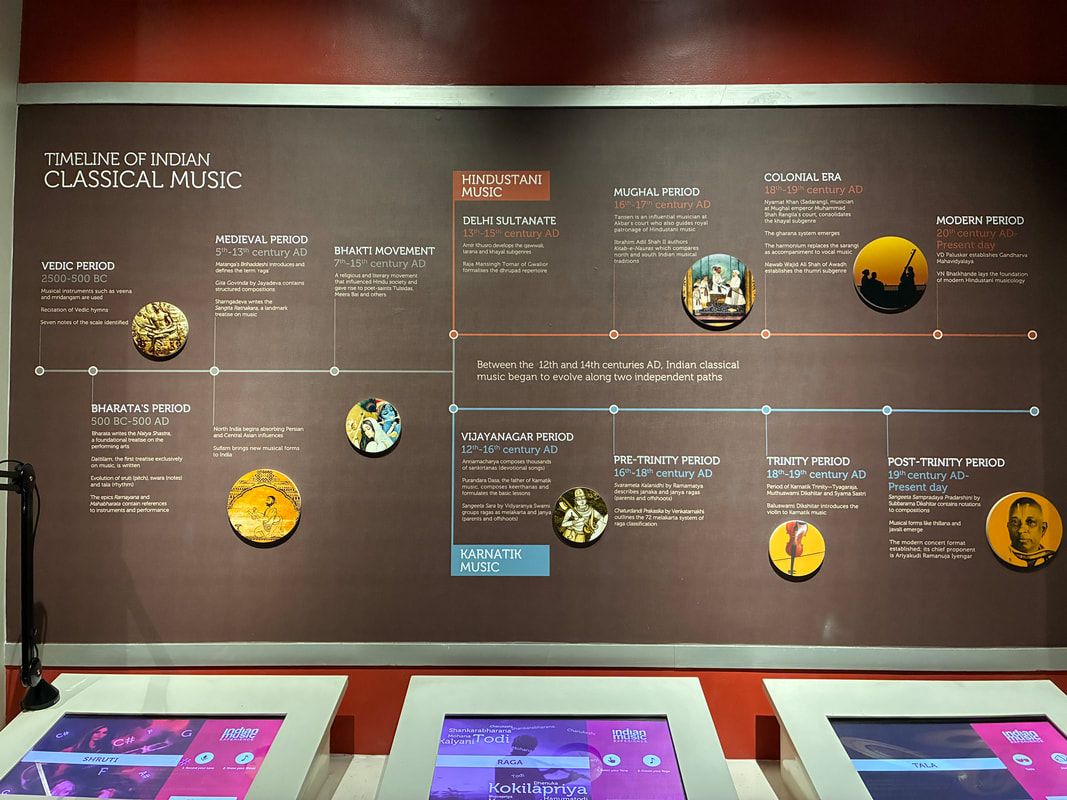
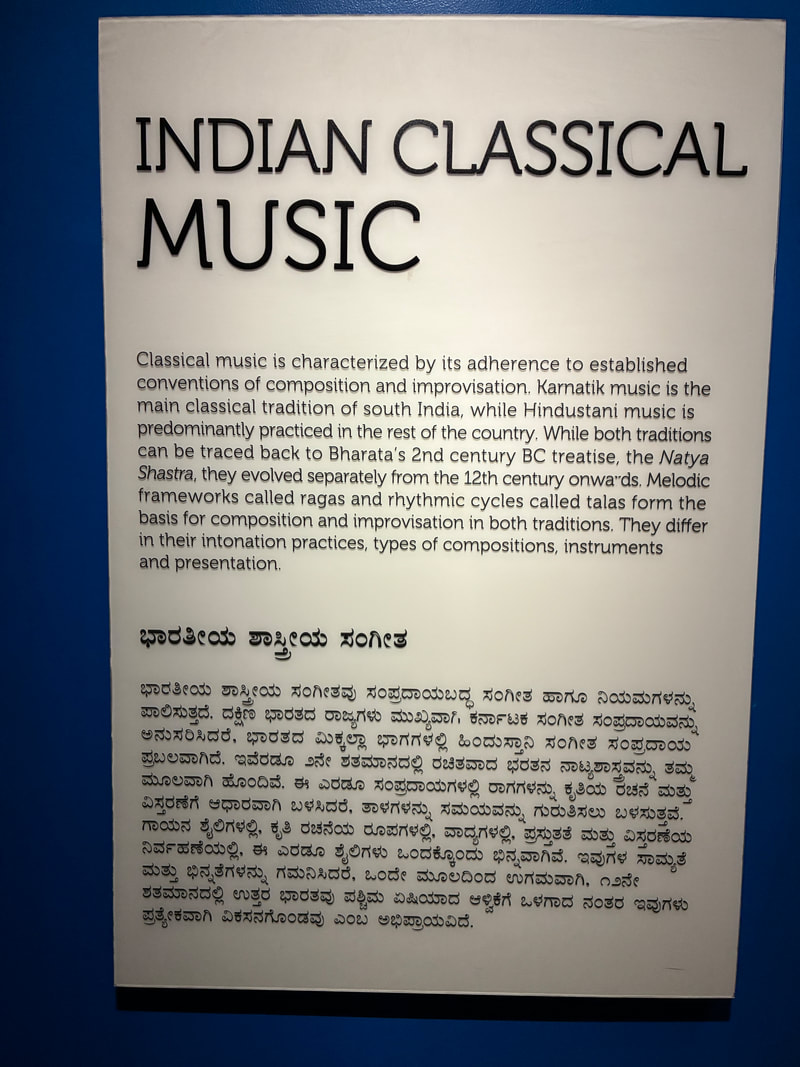
Die indische Musik ist, wie alles Kulturell-Religiöse hier, sehr alt. [Allerdings glaube ich, dass es Musik überall seit ewigen Zeiten gibt, nämlich seit es Menschen gibt, die zusammenkommen.] Ab dem 12. Jahrhundert hat sich die Entwicklung der Musik im Norden und Süden Indiens unterschiedlich entwickelt. Auch das ist für viele kulturelle Güter so, weil in dieser Zeit der Einfluss des Islams im Norden grösser war als im Süden. So gibt es heute in der klassischen indischen Musik karnatische (im Süden) und hindustanische (im Norden) Musik. Mit der Musik sind oft Tanz und Geschichten verbunden. Das heisst, dass man mit Tanz oder mit Gesang und Musik Geschichten erzählt. Geschichten wiederum gibt es Tausende, und sie gehören zum Allgemeinwissen der Inder:innen. Sie werden seit eh und jeh erzählt und wurden in den wichtigsten Büchern des Hinduismus notiert.
Die Ausübung der klassischen Musik ist streng strukturiert, hat jedoch improvisierte Elemente drin. Auch bei den Instrumenten kennen wir die meisten nicht in unserem Kulturkreis (Sithar, Tablas, etc.). Allerdings haben die Musiker:innen auch einige westliche Instrumente aufgenommen (zu Zeiten des britischen Raj): die Geige und das Harmonium zum Beispiel. Die Geige wird anders gehalten und gespielt wie bei uns und das Harmonium wurde umgebaut, u.a. damit man es sitzend spielen kann. 
Schliesslich wird im Museum auch betont, wie sich die Musikwelten gegenseitig beeinflusst haben und dies immer noch tun. Gut so, schliesslich ist Musik eine eigene und universelle Sprache!
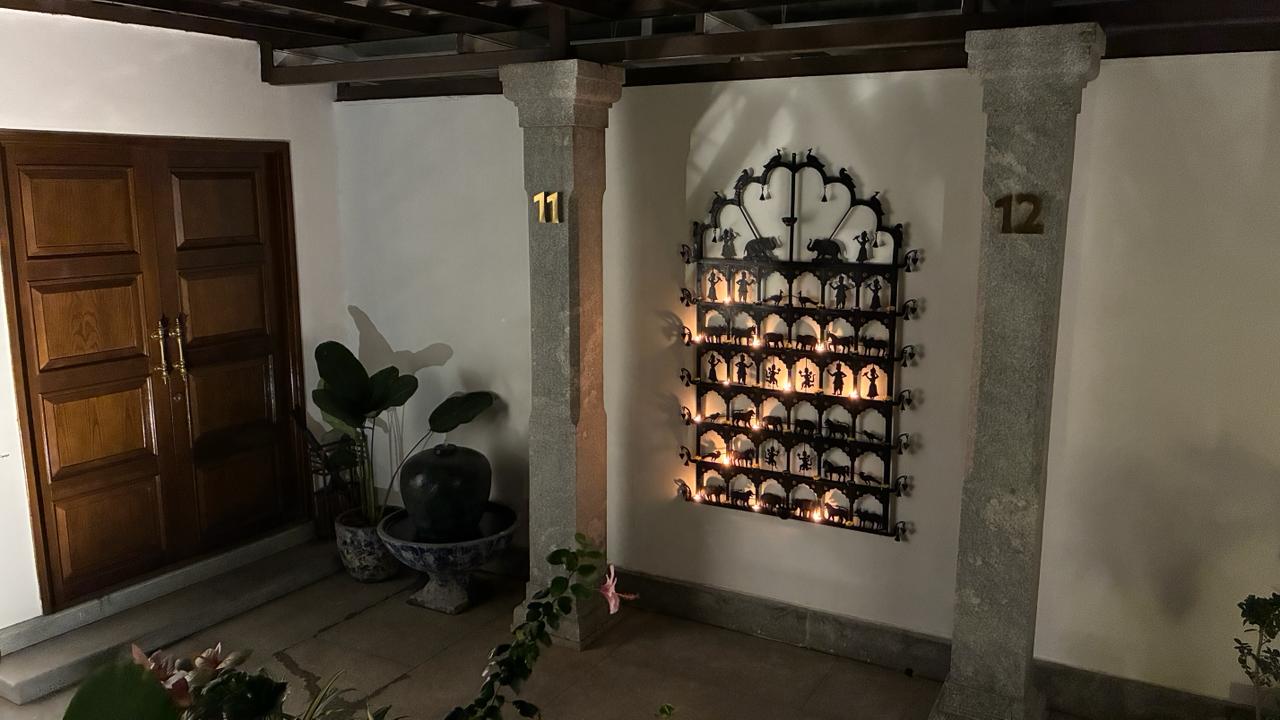
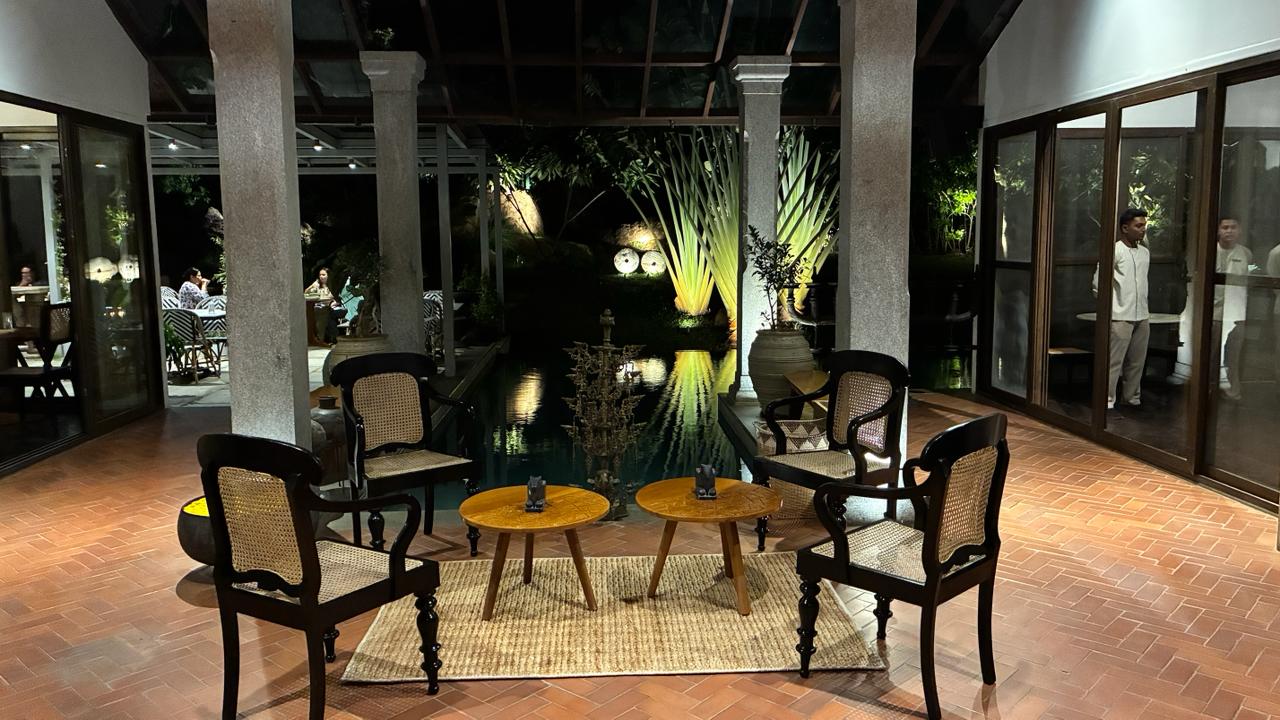
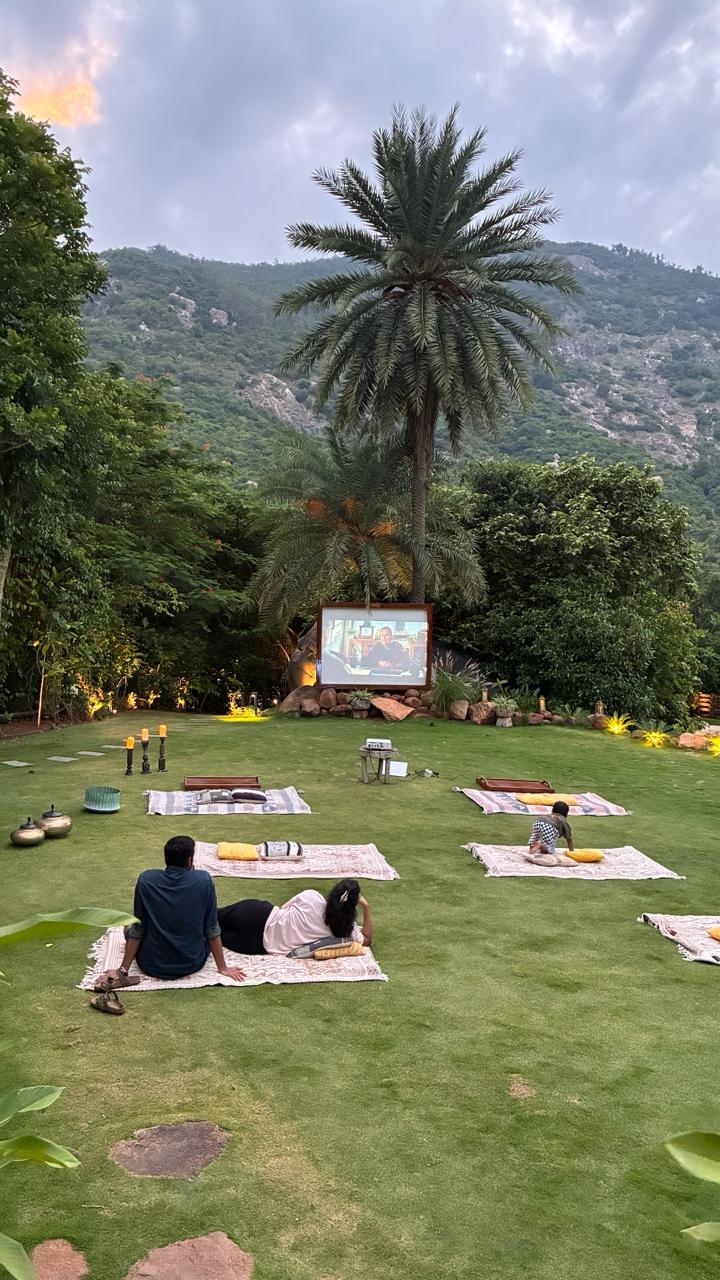
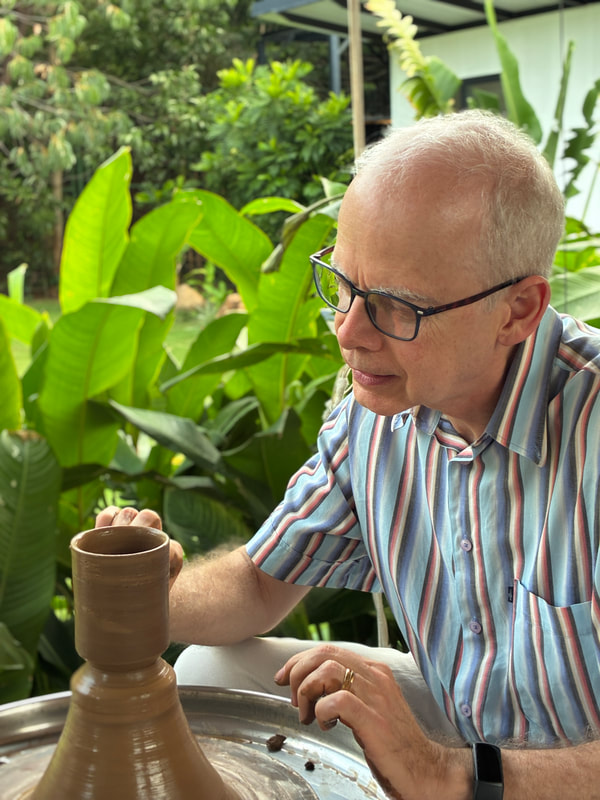
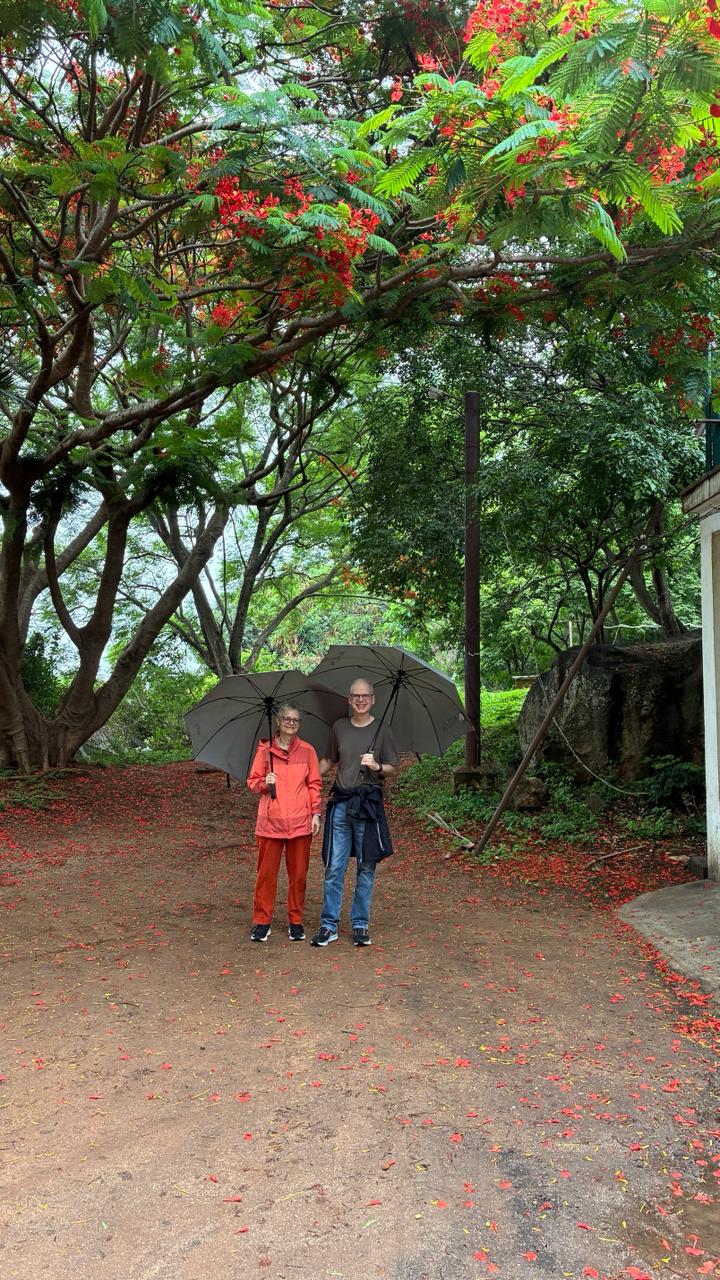
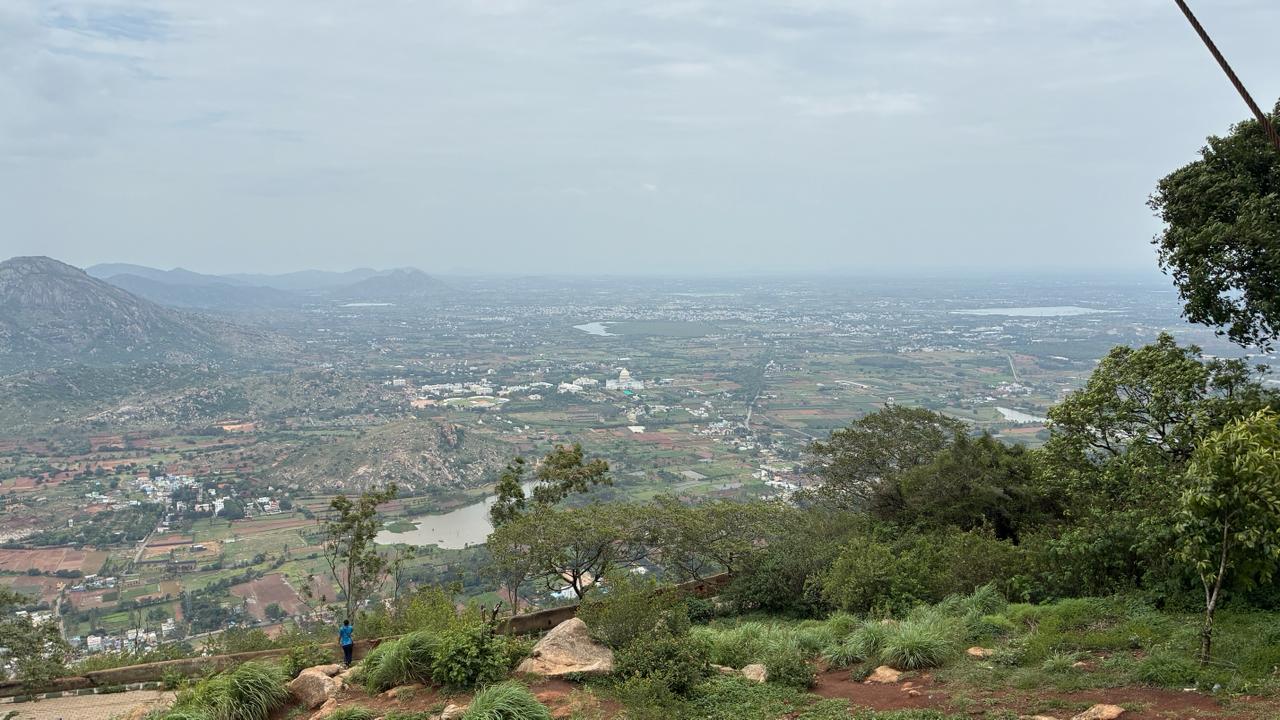
Ich war in Bangalore auch spazieren und habe ein paar Sachen eingekauft. Gemeisam waren wir im Museum für Kunst und Fotografie, haben sehr gut (mehrheitlich westlich) gegessen und am Ende ein Wochenende in einem wunderschönen Resort ausserhalb der Stadt verbracht, wo wir richtig verwöhnt wurden.
Nun sind wir diese Woche wieder in unserem Hyderabader Alltag und bereiten uns auf die Ladakh-Reise vor. Wir reisen am Samstag ab.
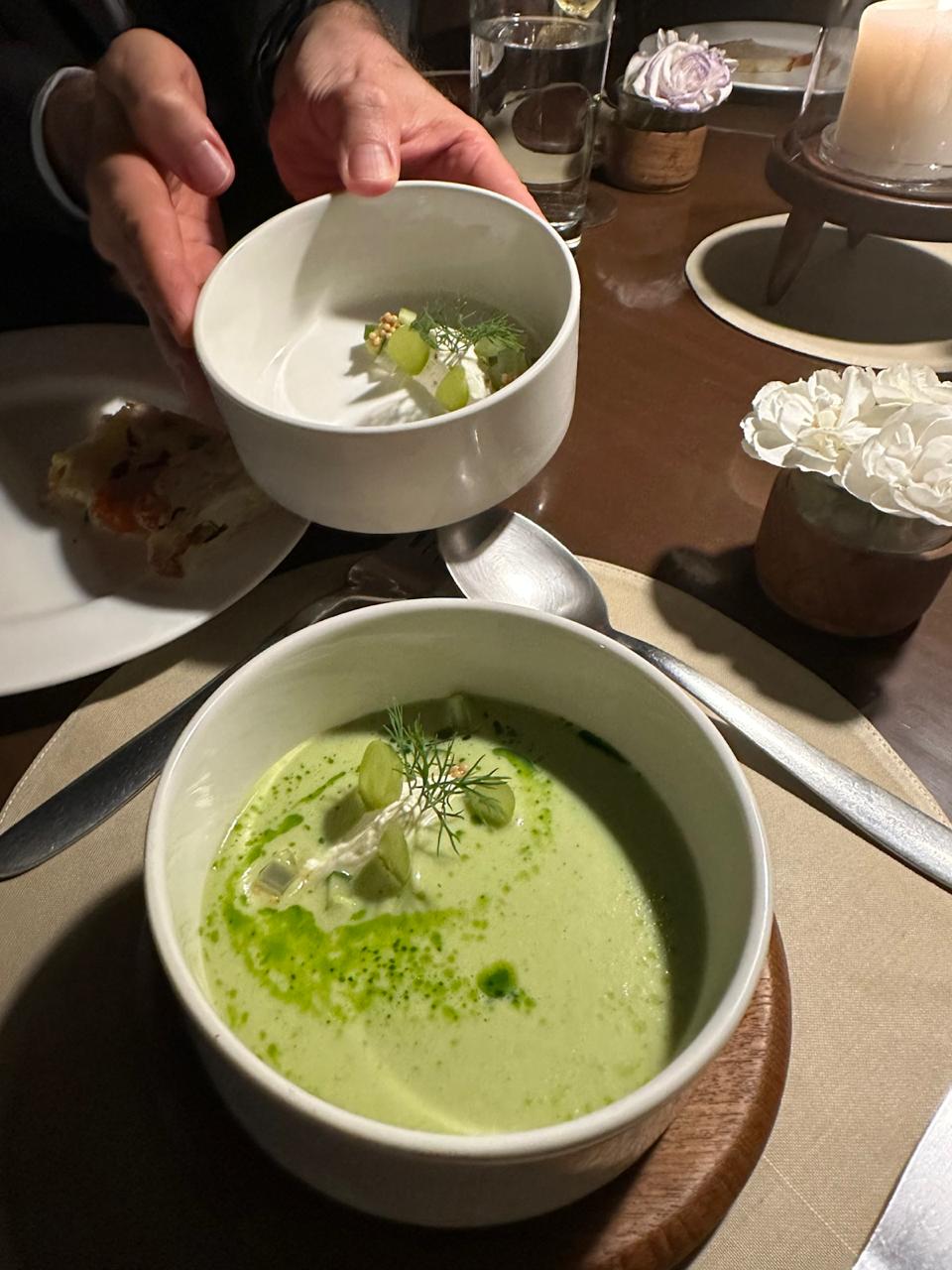
Abendessen in einem Gourmet-Restaurant mit einer Kollegin von Yashi und deren Ehemann.
On the first day of my stay in Bangalore, I visited the Museum of Indian Music. It was about time I learnt a bit more about it! The museum explains the history of Indian music using various media (film, text, audio recordings, etc.). It is designed for both children and adults, and I learnt quite a lot. 
Indian music, like everything cultural and religious here, is very ancient. [Although I believe that music has existed everywhere since time immemorial – ever since people have been coming together.] From the 12th century onwards, the development of music in northern and southern India took different paths. This is also true of many cultural traditions, because during that period the influence of Islam was greater in the north than in the south. Consequently, classical Indian music today comprises Carnatic (in the south) and Hindustani (in the north) traditions. Dance and storytelling are often intertwined with the music. This means that stories are told through dance or through song and music. There are thousands of such stories, and they form part of the general knowledge of Indians. They have been told since time immemorial and have been recorded in the most important texts of Hinduism.
The practice of classical music is strictly structured, yet incorporates elements of improvisation. As for the instruments, most are unfamiliar to us in our own cultural context (sitar, tablas, etc.). However, musicians have also adopted some Western instruments (during the British Raj): the violin and the harmonium, for example. The violin is held and played differently to how we do it, and the harmonium has been modified, amongst other things, so that it can be played whilst seated. 
Finally, the museum also emphasises how these musical worlds have influenced one another and continue to do so. And rightly so – after all, music is a language in its own right and a universal one at that!
I also went for a walk in Bangalore and did a bit of shopping. Together, we visited the Museum of Art and Photography, enjoyed some excellent (mostly Western) food, and ended the weekend at a beautiful resort just outside the city, where we were really pampered.
Now we’re back to our everyday life in Hyderabad this week and are getting ready for our trip to Ladakh. We’re setting off on Saturday.
 Au "resort", on pouvait aussi regarder un film et ... 
Le premier jour de mon séjour à Bangalore, j'ai visité le musée de la musique indienne. Il était grand temps que j'en apprenne un peu plus à ce sujet ! On y présente l'histoire de la musique indienne à l'aide de divers supports (films, textes, enregistrements sonores, etc.). Ce musée s'adresse aussi bien aux enfants qu'aux adultes et j'y ai beaucoup appris. 
La musique indienne, comme tout ce qui touche à la culture et à la religion ici, est très ancienne. [Je pense toutefois que la musique existe partout depuis la nuit des temps, c’est-à-dire depuis que des êtres humains se rassemblent.] À partir du XIIe siècle, la musique a évolué différemment dans le nord et dans le sud de l’Inde. C’est d’ailleurs le cas pour de nombreux biens culturels, car à cette époque, l’influence de l’islam était plus forte dans le nord que dans le sud. C’est ainsi qu’il existe aujourd’hui, dans la musique classique indienne, la musique carnatique (au sud) et la musique hindoustanie (au nord). La musique est souvent associée à la danse et aux récits. Cela signifie que l’on raconte des histoires à travers la danse ou le chant et la musique. Or, il existe des milliers de récits, qui font partie de la culture générale des Indiens et des Indiennes. Ils sont racontés depuis la nuit des temps et ont été consignés dans les textes fondamentaux de l’hindouisme.
La pratique de la musique classique est strictement structurée, mais comporte néanmoins des éléments d’improvisation. Quant aux instruments, la plupart nous sont inconnus dans notre culture (sithar, tablas, etc.). Cependant, les musiciens ont également intégré certains instruments occidentaux (à l’époque du Raj britannique) : le violon et l’harmonium, par exemple. Le violon se tient et se joue différemment de chez nous, et l’harmonium a été modifié, notamment pour pouvoir être joué en position assise. 
Enfin, le musée souligne également comment les univers musicaux se sont influencés mutuellement et continuent de le faire. C’est une bonne chose, car après tout, la musique est un langage universel !
Je suis également allée me promener à Bangalore et j'ai fait quelques achats. Ensemble, nous avons visité le musée d'art et de photographie, nous avons très bien mangé (principalement de la cuisine occidentale) et nous avons terminé le week-end dans un magnifique "resort" à l'extérieur de la ville, où nous avons été vraiment choyés.
Cette semaine, nous avons repris notre quotidien à Hyderabad et nous nous préparons pour notre voyage au Ladakh. Nous partons samedi.
... faire de la poterie et une promenade guidée.
0 Comments


Leave a Reply.

    About us

    We are a couple from Switzerland at the end of our fifties and are living for a bit more than two years in Hyderabad, India.
    Who We Are

    Time in Hyderabad

    Archives

    April 2026
    March 2026
    February 2026
    January 2026
    December 2025
    November 2025
    October 2025
    September 2025
    August 2025
    July 2025
    June 2025
    May 2025
    April 2025
    March 2025
    February 2025
    January 2025
    December 2024
    November 2024
    October 2024

    Categories

    All

    Let's stay in touch

Subscribe to Newsletter
Site powered by Weebly. Managed by WEBLAND.CH
  • Blog
  • Who We Are
  • Get In Touch